
Emergencies can happen anytime. Knowing what to do can save lives. First aid certification teaches simple ways to help. It shows how to treat injuries and respond to medical problems.
These skills are useful at home, work, or anywhere. Training is easy to follow and practice. Read on to learn key first aid skills and techniques that can make a real difference in emergencies.
Understanding Basic First Aid Skills
First aid certification covers the essentials everyone should know. You learn how to treat cuts, burns, and minor injuries. The training also teaches CPR and choking response.
Knowing how to stabilize a patient before help arrives is crucial. Skills are taught through simple, hands-on practice. With these basics, you can act calmly in emergencies.
Responding to Common Emergencies
Emergencies like falls, allergic reactions, or fainting are common. Certification shows you how to assess situations safely. You learn when to call for help and how to provide immediate care.
The steps are easy to follow and remember. Acting quickly can prevent injuries from worsening. First aid knowledge gives peace of mind in daily life.
CPR and Life-Saving Techniques
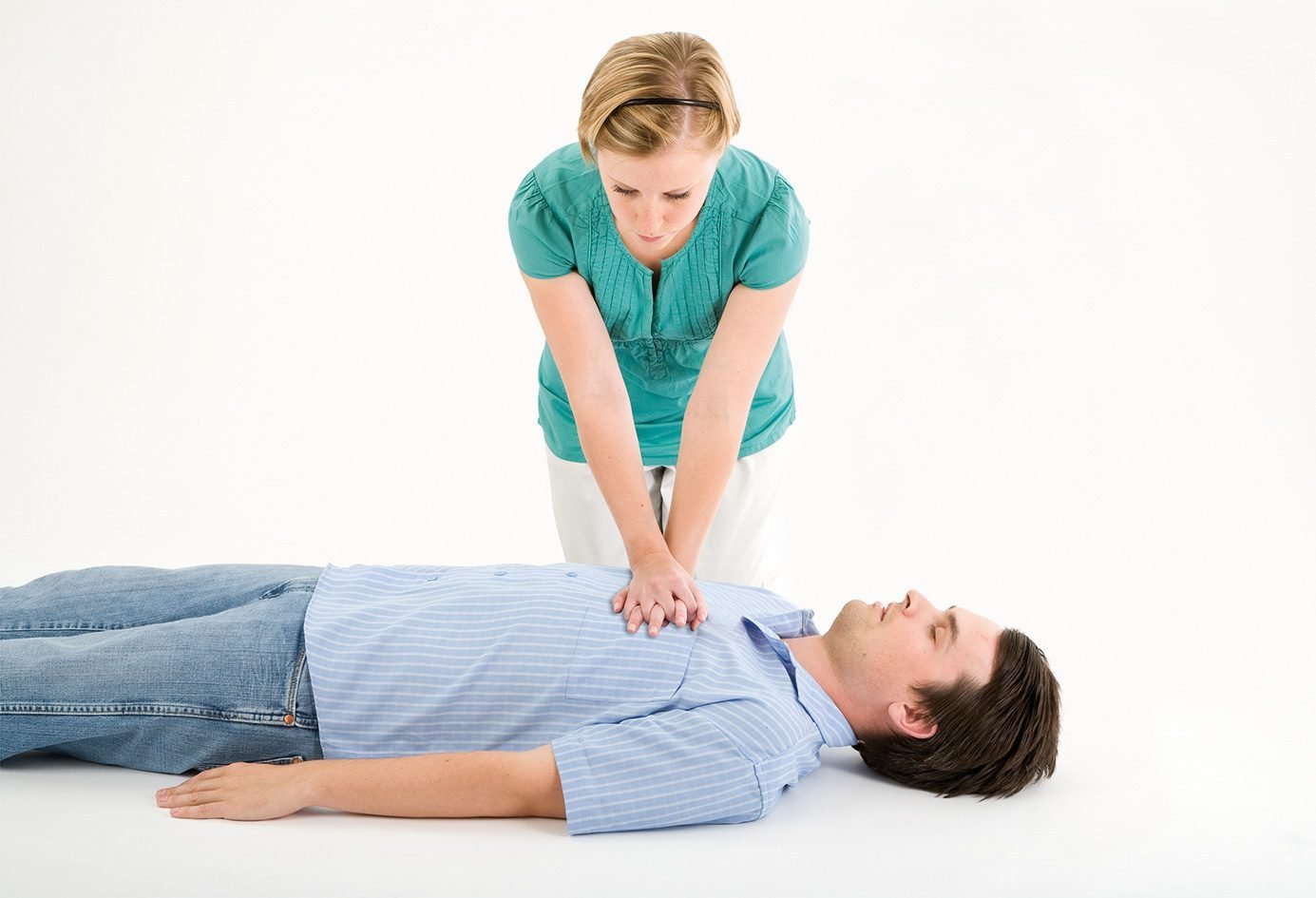
CPR is a critical part of first aid certification. It can help someone whose heart has stopped or is struggling to breathe. You learn correct hand placement, timing, and rescue breathing.
The training ensures you can perform it confidently. Skills are practiced on mannequins to build muscle memory. Regular refreshers keep the techniques effective.
Handling Environmental and Workplace Injuries
First aid also prepares you for injuries at work or outdoors. You learn to treat heatstroke, hypothermia, and chemical exposures. Safety protocols for handling equipment-related injuries are included.
Knowledge helps reduce panic and prevent further harm. Certification emphasizes simple steps that anyone can follow. To achieve this, you should check reputable programs geared to these topics and get more info.
Building Confidence and Responsibility
First aid certification builds confidence in emergencies. You feel capable of helping others safely. Responsibility for family, friends, and colleagues increases. The training encourages awareness of potential risks.
Repeated practice makes responses almost automatic. Confidence allows you to stay calm under pressure.
Keeping Skills Updated
Certification is not one-time training. Skills need regular refreshers to stay effective. You learn updates in techniques and safety standards. Practice ensures quick and correct responses.
Staying current prepares you for real emergencies. Continuous learning is a key part of responsible first aid.
Emergency Preparedness Planning
First aid certification also teaches how to prepare for emergencies. You learn to create simple plans for home, work, or public places. Knowing where supplies are and how to act can save valuable time.
Planning reduces panic during unexpected situations. The training encourages checking and updating emergency kits regularly. Being prepared ensures you are ready to act safely and effectively.
Go for First Aid Certification
First aid certification equips anyone to act in emergencies. It teaches practical skills to handle injuries and medical crises. CPR and life-saving techniques are central to the training. Knowledge reduces panic and improves outcomes.
Certification also builds confidence and responsibility. Keeping skills updated ensures readiness at all times. Learning first aid is a practical step to protect yourself and others.
Should you wish to read more, visit our blog!

Rao Waqas is a passionate content writer who crafts engaging and insightful articles across diverse topics, helping readers stay informed and inspired.