
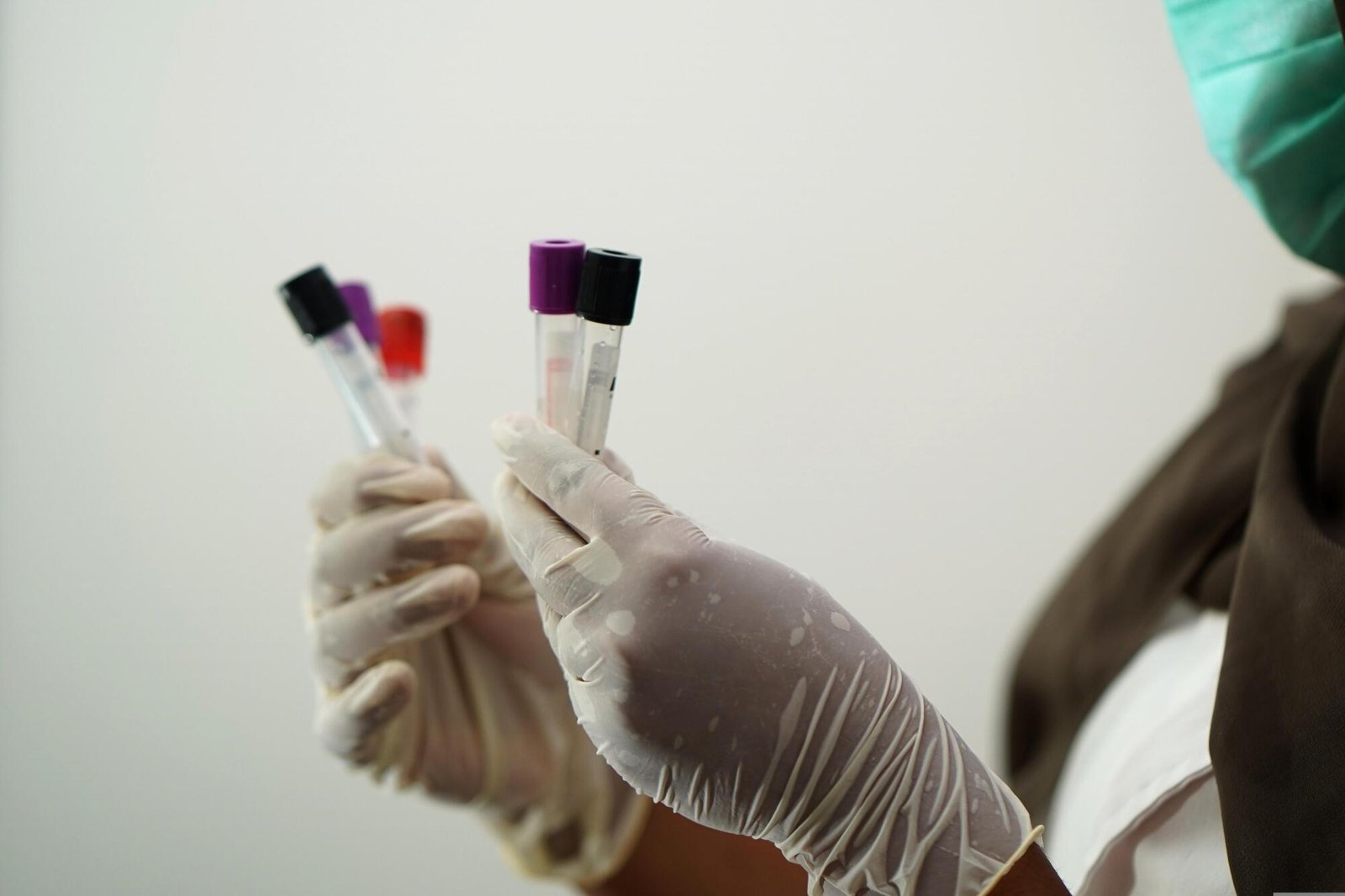
Healthcare today needs fast, accurate, and reliable testing. Advanced diagnostic facilities help doctors find out what’s wrong quickly and correctly. Using modern machines and skilled staff, these centers give clear insights into a person’s health.
Accurate results mean diseases can be caught early, chronic conditions can be monitored, and treatments can be planned effectively. These facilities have become a key part of good healthcare, making sure patients get the care they need on time. Read on.
What Is an Advanced Diagnostic Facility?
An advanced diagnostic facility is a medical center with modern tools and technology used to examine and analyze health conditions. These facilities perform a wide range of tests, including laboratory analysis, imaging scans, and specialized screenings. Unlike older diagnostic centers, advanced facilities use the latest machines and digital systems to improve accuracy and reduce mistakes.
Services in these facilities often include:
- Blood testing
- Pathology
- Radiology
- Heart tests
- Genetic testing
- Preventive health checks
By offering many services under one roof, they save time for patients and give doctors a complete view of health conditions.
Why Accurate Results Matter
Accurate diagnostic results are the foundation of good healthcare. Even a small mistake in a test can delay treatment, lead to the wrong medication, or make a condition worse. Advanced diagnostic facilities focus on reducing these risks through modern systems, quality checks, and skilled staff.
Accurate results allow doctors to detect diseases early, understand the exact cause of symptoms and track chronic conditions like diabetes or heart disease. Check how well a treatment is working. Prevent complications with timely intervention.
Patients also benefit. When test results are accurate, patients can trust their treatment plans and feel more confident about their health.
Advanced Technology and Equipment
A key feature of these facilities is their state-of-the-art equipment. Imaging systems such as Magnetic Resonance Imaging (MRI), Computed Tomography (CT) scans, digital X-rays, and ultrasounds give doctors clear images of the inside of the body. These images help detect problems with more detail than ever before.
Laboratories use automated machines and high-precision tools to analyze samples quickly. These machines reduce human error. Genetic testing and molecular diagnostics allow early detection of inherited conditions and certain cancers.
Some facilities also use artificial intelligence (AI) to help analyze images and data, making results even more accurate. For more information on the latest tech in healthcare, read more here.
Skilled Professionals
Technology is important, but it cannot work alone. Skilled professionals are essential for accurate results. Pathologists, radiologists, lab technicians, and medical technologists are trained to operate machines and interpret results.
Continuous learning is key. Staff members stay updated on new technologies and methods. Specialists work together to review results carefully before sharing them with doctors and patients-this teamwork ensures precision and reliability.
Quality Control
Accuracy requires strict quality control. Advanced diagnostic facilities follow clear procedures for every test. Equipment is regularly calibrated, samples are handled carefully, and machines are maintained properly.
Many facilities follow international standards and accreditation rules. These include:
- Regular audits
- Proficiency testing
- Detailed documentation
By following strict quality programs, these centers reduce errors and deliver reliable results.
Faster Results
Time can be critical in healthcare. Advanced facilities use automated systems and digital reporting to deliver results quickly without losing accuracy.
Electronic health records allow doctors to access results instantly. Fast results are important in:
- Emergencies
- Infectious disease detection
- Critical care
Quick access allows doctors to start treatment immediately, which can save lives and improve outcomes.
Integrated Services
Advanced facilities often provide all tests in one location. Patients can complete imaging, lab tests, and screenings without visiting multiple centers.
Integration improves communication between departments. For example, imaging results can be shared directly with lab specialists and doctors. Digital systems prevent lost information or misinterpretation, making the process smoother and more efficient.
Patient Safety and Comfort
Modern facilities focus on safety and comfort. Equipment is designed to minimize radiation exposure, and strict safety rules are followed. Staff make sure patients and samples are correctly identified.
Patient experience is also important. Comfortable waiting areas, clear instructions, and supportive staff reduce stress. Many facilities offer online appointments and digital result access, making the process easier and more convenient.
Preventive Healthcare
Advanced diagnostics are not only for treating illnesses-they also help prevent them. Regular health check-ups can find potential problems before symptoms appear.
Early detection often leads to simpler and more effective treatment. Screenings can identify risks for:
- Heart disease
- Cancer
- Diabetes
- Other chronic conditions
By encouraging routine testing, advanced facilities help people maintain long-term health and a better quality of life.
Impact on Healthcare
Advanced diagnostic facilities have greatly improved healthcare worldwide. Accurate, timely tests reduce hospital stays, lower costs, and improve survival rates. They also support research by providing reliable data for studies and clinical trials.
Telemedicine and digital health platforms extend these services further. In remote areas, digital scans and online data sharing allow specialists to review results from a distance. This makes high-quality diagnostic care accessible to more people.
Precision, Speed, and Care in Every Test
Advanced diagnostic facilities combine the latest technology with skilled professionals to deliver accurate results. They ensure patients get timely insights into their health, helping doctors make informed decisions. Every test is designed to be:
- Reliable
- Safe
- Patient-friendly
Challenges and the Future
Despite many benefits, these facilities face challenges. High equipment costs, ongoing staff training, and data security are important concerns. However, technology continues to improve these areas.
The future includes more AI-assisted analysis, personalized medicine based on genetic profiles, and portable diagnostic devices. Automation and cloud systems will make testing faster and more accurate. As technology advances, diagnostic facilities will continue to provide precise and reliable healthcare.
The Future of Healthcare is Here
Advanced diagnostic facilities are very important for good healthcare. They combine the latest technology, skilled professionals, and strict quality checks to give accurate results. Accurate tests help doctors make the right decisions, start the right treatments, and prevent problems before they get worse.
These centers also support regular health check-ups, helping people stay healthy over time. As technology improves, diagnostic facilities will become faster, more precise, and easier to access. Investing in advanced diagnostics means investing in better health and a safer, healthier future for everyone.
If you want to read more articles, visit our blog.

Rao Waqas is a passionate content writer who crafts engaging and insightful articles across diverse topics, helping readers stay informed and inspired.