
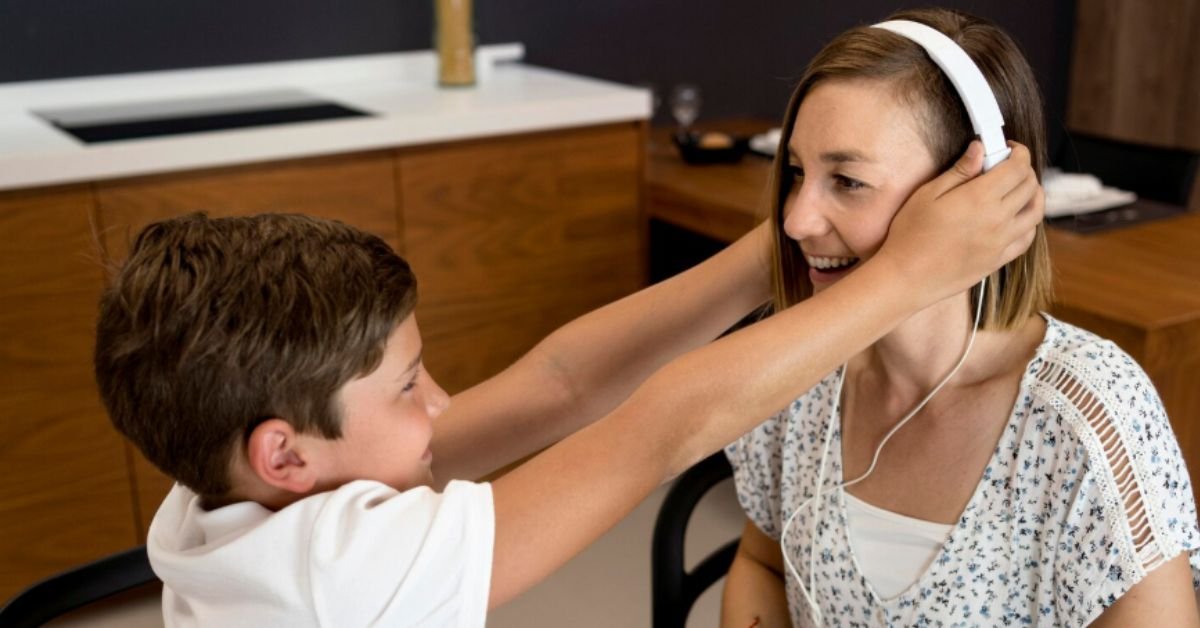
Many children with Autism Spectrum Disorder (ASD) experience the world more intensely than others. Everyday sounds like a vacuum cleaner, sirens, or even classroom chatter can feel overwhelming, painful, or frightening. This heightened response to sound, often called sound sensitivity or auditory hypersensitivity, is one of the most common sensory challenges faced by children with autism.
For parents, understanding and managing sound sensitivity can be both emotionally and practically challenging. What seems like a simple noise to one person may trigger distress, anxiety, or even meltdowns in a child with autism. Fortunately, through patience, preparation, and the right strategies, children can learn to cope with auditory triggers and feel more comfortable in their environments.
Families who work with a certified ABA therapist often find that structured behavioral techniques help their children adapt to overwhelming sounds gradually and safely. Let’s explore what sound sensitivity is, why it happens, and ten practical coping techniques that can make daily life calmer and more manageable.
Understanding Sound Sensitivity in Autism
Sound sensitivity occurs when the brain overreacts to auditory input. For a child with autism, certain frequencies, pitches, or volumes can feel unbearable. Sounds that others might not even notice like the hum of fluorescent lights or distant traffic can cause discomfort or panic.
This reaction isn’t just a matter of preference; it’s a neurological response. The auditory system processes sensory input differently in many individuals with autism, leading to either hypersensitivity (over-responsiveness) or hyposensitivity (under-responsiveness). In cases of hypersensitivity, sounds are perceived as much louder or more intense than they are.
Understanding that this sensitivity stems from a biological difference not stubbornness or defiance is key. When parents and educators recognize that the child’s distress is genuine, they can respond with empathy and effective strategies rather than frustration.
Working with a certified ABA therapist can also help families identify the environmental triggers and behavioral responses linked to sound sensitivity, enabling the development of a customized plan for desensitization and coping.
The Emotional Impact of Auditory Overload
Sound sensitivity doesn’t just affect hearing it impacts a child’s emotions, behavior, and ability to participate in everyday activities. A sudden loud noise might lead to fear, crying, or self-stimulatory behaviors like covering ears, humming, or rocking. Over time, children may begin to associate certain environments with discomfort and start avoiding them altogether.
This avoidance can limit their social experiences and increase anxiety. For instance, a child might resist going to school because of noisy hallways, birthday parties because of loud music, or grocery stores because of unpredictable sounds. These reactions are not misbehavior; they are protective mechanisms against overwhelming sensory input.
The good news is that with support from professionals, including a certified ABA therapist, children can learn self-regulation techniques and adaptive behaviors to manage these responses more effectively.
10 Coping Techniques for Sound Sensitivity in Autism
Below are ten evidence-based and parent-tested techniques to help children with autism manage sound sensitivity. Each strategy can be customized based on your child’s sensory profile, preferences, and daily routine.
1. Identify Specific Triggers
The first step in managing sound sensitivity is to determine which sounds cause discomfort. Keep a simple journal of when and where your child reacts negatively to noises. Are high-pitched sounds (like alarms) more distressing than low ones (like engines)? Does your child react differently indoors versus outdoors?
Patterns often emerge that can help you anticipate and minimize exposure to problematic sounds. A certified ABA therapist can assist with this process through functional behavior assessments (FBA), which identify what triggers certain behaviors and how to respond effectively.
2. Use Noise-Canceling Headphones
Noise-canceling or sound-dampening headphones are among the most effective tools for children with auditory sensitivities. They help filter out background noise and make overwhelming environments like classrooms, airports, or malls more manageable.
Allow your child to choose headphones they like, and introduce them gradually. Encourage wearing them in noisy settings while reinforcing the idea that headphones are a tool for comfort and focus, not isolation.
3. Create a Quiet Space at Home
Having a safe retreat can make a world of difference. Designate a quiet corner or sensory-friendly room where your child can go to calm down when overwhelmed. Keep this space free from loud noises, bright lights, and distractions.
Include comforting items such as weighted blankets, favorite toys, or calming music. Knowing they have a place to escape helps children feel secure and reduces anxiety about sound exposure.
4. Gradual Desensitization
Desensitization is a therapeutic process that helps children tolerate sounds over time. Instead of avoiding noises completely, you expose them to low levels of the sound in a controlled way, slowly increasing intensity as tolerance improves.
For example, you might start by playing a recording of a vacuum cleaner at a very low volume, rewarding your child for staying calm, and gradually turning it up over days or weeks.
This approach works best when guided by a certified ABA therapist, who can ensure the process is paced appropriately and paired with positive reinforcement to prevent fear or regression.
5. Incorporate Calming Sensory Input
Balancing overstimulation with calming input helps regulate the nervous system. Activities like deep-pressure hugs, swinging, or squeezing a stress ball can help ground a child who is overwhelmed by sound.
Combining sensory strategies like wearing headphones during stressful events and using a weighted lap pad can further enhance comfort and focus. Occupational therapists and ABA professionals often collaborate to integrate sensory regulation techniques into a child’s daily plan.
6. Teach Coping Phrases and Signals
Helping your child communicate their discomfort empowers them to manage anxiety before it escalates. Teach simple phrases like “Too loud,” “I need a break,” or “Quiet, please.” If verbal communication is difficult, use visual cues like a “quiet” card or gesture.
By giving children tools to express their needs, you reduce frustration and encourage self-advocacy. A certified ABA therapist can help create individualized communication supports, such as visual schedules or choice boards, to reinforce this skill.
7. Prepare for Noisy Environments
Preparation is key when you know you’ll be entering a noisy setting. Talk to your child about what to expect beforehand describe the environment, the possible sounds, and what they can do if they feel uncomfortable.
You might say, “At the grocery store, it might be loud, but you can wear your headphones and hold your calming toy.” Providing predictability helps reduce anxiety and improves cooperation.
When possible, visit during quieter times of the day or limit the duration of your outings. Over time, as tolerance builds, your child may be able to handle longer or noisier experiences with greater ease.
8. Use Background Noise Strategically
Sometimes, adding a neutral background sound can help mask unexpected noises. Playing soft music, white noise, or nature sounds in the background can make sudden sounds less jarring.
Experiment with what works best: some children prefer rhythmic sounds like ocean waves, while others find steady fan noise comforting. Integrating this into routines like bedtime or homework can promote calmness and concentration.
9. Model Calm Reactions to Sound
Children often look to their parents for cues on how to react. When a loud or unexpected sound occurs, try to remain calm and reassure your child with gentle words or a relaxed demeanor.
You might say, “That was loud, but it’s okay. It’s just a truck passing by.” Over time, your calm response helps your child internalize that sounds, even surprising ones, are manageable.
ABA therapists often include modeling and role-play as part of behavioral interventions, helping children practice appropriate reactions in a safe, structured setting.
10. Collaborate with Pough the Process
Managing a child’s sound sensitivity can be emotionally taxing for parents. It’s natural to feel helpless or frustrated when your child experiences distress over sounds you can’t control. Remember that patience and empathy are essential.
Take breaks when needed, connect with support groups, and celebrate small victories. Each step your child takes whether wearing headphones for a few minutes or tolerating a noisy environment represents meaningful progress.
The guidance of a certified ABA therapist not only supports the child but also empowers parents with practical tools and emotional reassurance. Through consistent collaboration, families can create calm, supportive environments where children feel safe to grow and explore.
Conclusion
Sound sensitivity in autism can present daily challenges, but with understanding, structure, and the right strategies, it’s possible to transform overwhelming situations into manageable ones. By combining environmental adjustments, sensory support, and behavioral techniques, children can learn to navigate a noisy world with confidence and comfort.
Partnering with a certified ABA therapist offers families evidence-based guidance tailored to each child’s unique sensory profile. Together, parents and professionals can help children not only cope with sound sensitivity but also build resilience, independence, and self-assurance in all aspects of life.
CLICK HERE FOR MORE BLOG POSTS

Ethan Cole is a passionate blogger at Aldalive.com, sharing fresh ideas and engaging content on lifestyle, technology, and everyday trends. With a love for writing and exploring new topics, Ethan aims to make information simple, useful, and inspiring for readers worldwide.