
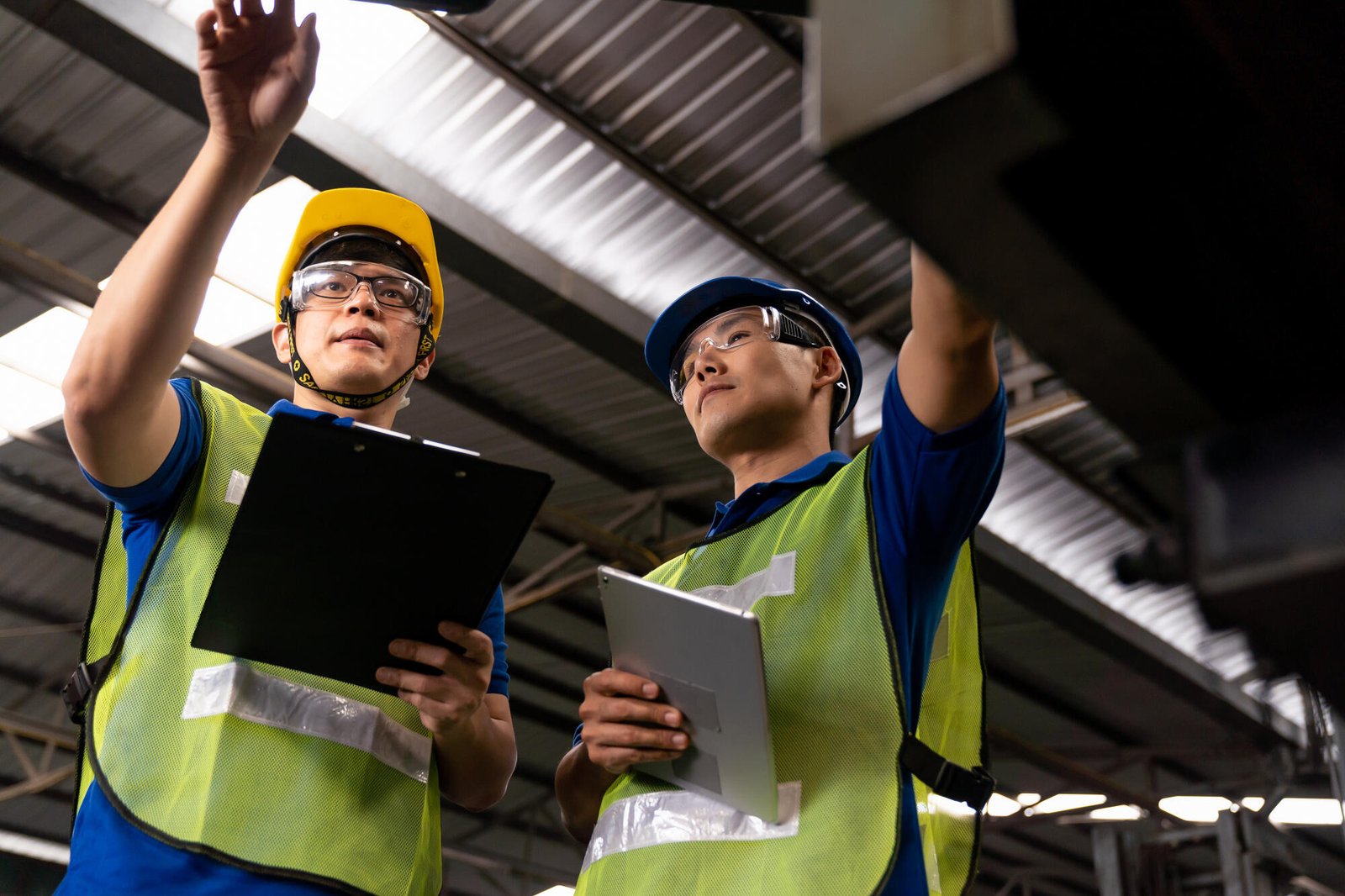
Every machine has a purpose. It may cool your food, wash your clothes, or power your tools. No matter the task, proper setup is the first step to safe and reliable use. When equipment is installed the right way, it runs smoothly and lasts longer.
Many problems begin with poor setup. Loose connections, uneven placement, or missed safety checks can lead to damage or risk. If you want your equipment to perform at its best from day one, keep reading to learn how a seamless setup protects both your property and your peace of mind.
Why Proper Setup Matters
Equipment must be installed correctly to meet design standards. This can reduce efficiency and increase wear over time.
For example, a machine that is not level may vibrate too much. Extra movement can damage internal parts. Poor wiring may cause short circuits or power issues. Small mistakes during setup can lead to large repair costs later.
A careful start reduces these risks. It ensures the equipment runs as the manufacturer intended.
Planning Before Installation
Preparation is key to a smooth setup. Before placing any equipment, measure the space. Make sure there is enough room for airflow and maintenance access. Check power sources, water lines, and ventilation systems if needed.
Clear the area of debris and ensure the floor is stable. Weak or uneven surfaces may cause shifting or imbalance. Reading the instruction manual also helps avoid errors.
When it comes to appliance installation, following the correct steps in order can prevent future breakdowns. Planning saves time and avoids costly changes after setup is complete.
Safety Checks for Reliable Operation
Safety should always come first. Inspect all connections before turning on the equipment. Tighten bolts and secure hoses. Confirm that electrical wiring matches the required voltage.
Test the system slowly. Listen for unusual sounds. Watch for leaks or vibrations. Early testing allows you to correct issues before they grow into bigger problems.
It is also wise to use proper tools and protective gear during setup. Gloves, level tools, and voltage testers can help ensure accuracy and safety.
Professional Help When Needed
Some equipment requires expert handling. Complex systems may involve advanced wiring or plumbing. In these cases, hiring a trained technician can reduce risk.
Professionals understand safety codes and manufacturer guidelines. They can spot issues that may not be obvious. While it may cost more upfront, expert setup often prevents future repairs and extends equipment life.
Knowing when to seek help is part of smart operation.
Build Confidence Through Careful Setup
Seamless equipment setup is more than a task. It is an investment in safety and reliability. When machines are installed with care, they perform better and last longer. Small details, such as leveling and secure connections, make a big difference.
Taking time to plan, inspect, and test protects both people and property. Whether you handle the process yourself or call a professional, proper setup creates peace of mind. Start strong, stay safe, and enjoy smooth operation for years to come.
For more on this content, visit the rest of our blog!

Rao Waqas is a passionate content writer who crafts engaging and insightful articles across diverse topics, helping readers stay informed and inspired.