
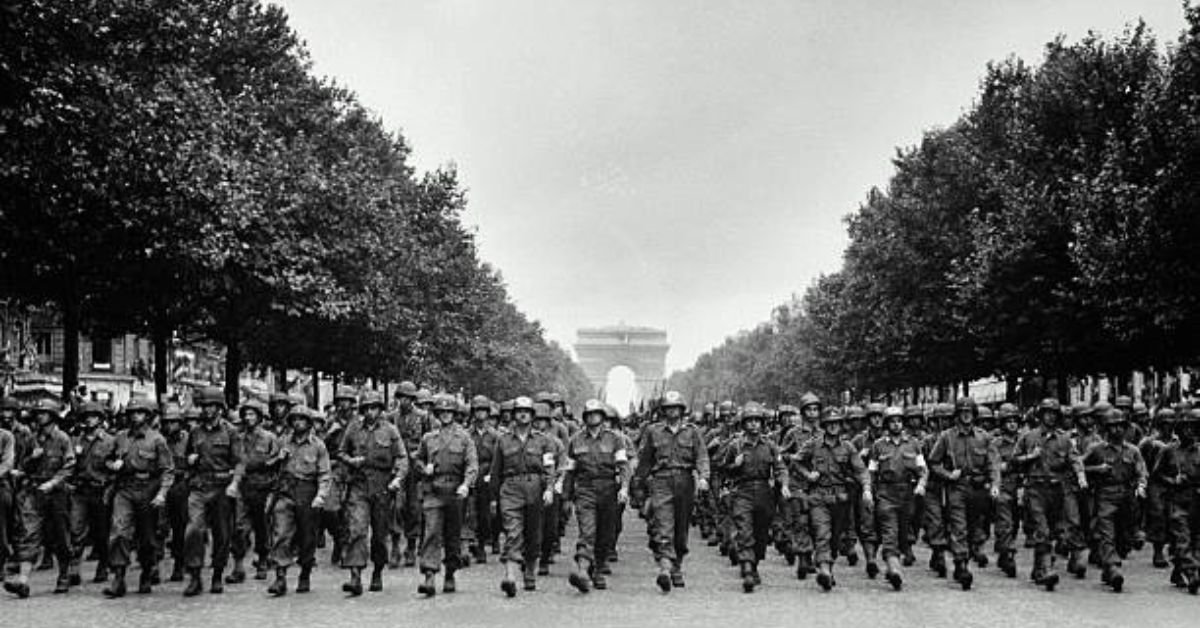
Longest war in history, we need to look at the various conflicts that have been labeled as such. One of the most commonly cited examples is the Hundred Years’ War between England and France, which lasted for 116 years. However, the longest war in history is actually considered to be the Reconquista, a series of conflicts between Christian kingdoms and Muslim states in the Iberian Peninsula that spanned an incredible 195 years, from 711 to 1492, but if we consider the longest continuous war the Anglo-French Wars or the longest war involving the US, it is the longest war in history US that we should be looking at.
The Korean War: A Forgotten Conflict
One of the most significant conflicts in modern history is the Korean War, often referred to as the “Forgotten War.” Lasting from 1950 to 1953, it was a brutal and devastating conflict that resulted in the loss of millions of lives. The Korean War map illustrates the complexity of the conflict, with multiple countries involved and a complex web of alliances. But was it part of the longest war? Some argue that the Korean War is part of a larger, ongoing conflict between the US and North Korea, which has been ongoing since the signing of the Armistice Agreement in 1953.
The Korean War was a defining moment in modern history, with far-reaching consequences for global politics and international relations. “I was just a kid when I was sent to fight in a war that wasn’t even declared,” said a veteran, reflecting on his experiences during the conflict. The war’s impact was felt not just on the battlefield but also on the home front, with families and communities torn apart by the conflict.
Examining the Longest War in History US
The longest war in history US refers to the ongoing conflict in Afghanistan, which began in 2001 and lasted for 20 years. While not the longest war in terms of duration, it is one of the most significant conflicts in recent US history. The war in Afghanistan was marked by a complex mix of military, political, and social factors, with multiple stakeholders involved.

Key Features of the Longest War in History US
- Prolonged duration: The conflict lasted for two decades, with multiple phases and shifting objectives.
- Complex geopolitics: The war involved multiple countries and organizations, with complex alliances and rivalries.
- Humanitarian impact: The conflict resulted in significant human suffering, with millions displaced and countless lives lost.
Analyzing the Impact of the Longest War in History
The longest war in history has had a profound impact on the world, shaping global politics, economies, and societies. The consequences of such conflicts are far-reaching, with effects felt for generations to come.
Pros and Cons of Prolonged Conflicts
While it’s difficult to identify any benefits to prolonged conflicts, some argue that they can lead to:
- Technological advancements: Wars often drive innovation, with new technologies and strategies developed in response to conflict.
- Global realignments: Prolonged conflicts can lead to shifts in global power dynamics, as nations and alliances are reconfigured.
However, the drawbacks of prolonged conflicts are numerous:
- Human suffering: The most significant cost of war is human life, with countless civilians and soldiers affected.
- Economic burdens: Wars are expensive, with significant financial burdens placed on nations and communities.
- Environmental damage: Conflicts can result in significant environmental degradation, with long-term consequences for ecosystems and biodiversity.
FAQs
Q: What is considered the longest war in history?
A: The Reconquista is often cited as the longest war in history, spanning 195 years. However, other conflicts, such as the Hundred Years’ War and the longest war in history US, are also significant.
Q: How did the Korean War impact the world?
A: The Korean War had far-reaching consequences, shaping global politics and international relations. It also resulted in significant human suffering and economic costs.
Q: What were the main causes of the longest war in history US?
A: The longest war in history US was driven by a complex mix of factors, including geopolitical rivalries, terrorism, and regional instability.
Q: What can we learn from the longest war in history?
A: The longest war in history offers valuable lessons about the consequences of prolonged conflict, the importance of diplomacy, and the need for nuanced understanding of complex geopolitical issues.
Conclusion
Longest war in history, we’re reminded of the importance of understanding the complexities of conflict and the need for peaceful resolution. By examining the past, we can gain valuable insights into the present and work towards a more peaceful future.
CLICK HERE FOR MORE BLOG POSTS

John Authers is a seasoned and respected writer whose work reflects the tone, clarity, and emotional intelligence that readers value in 2025. His writing blends deep insight with a natural, human voice—making complex ideas feel relatable and engaging. Every piece he crafts feels thoughtful, original, and genuinely worth reading.