
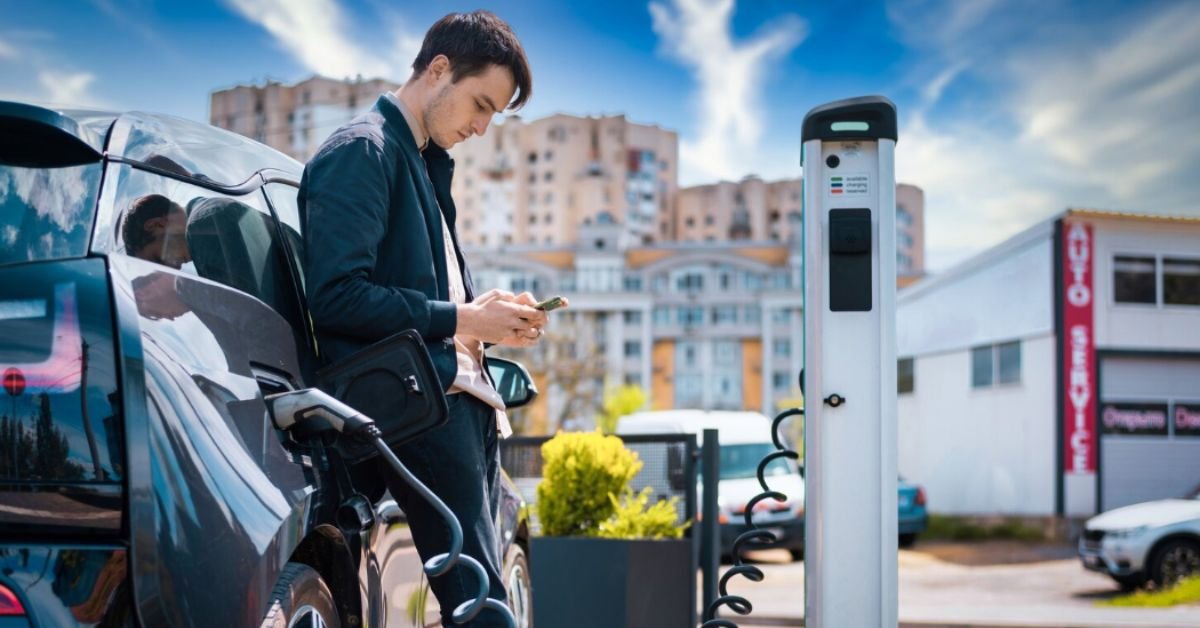
As electric vehicles become increasingly popular, homeowners are recognizing the importance of preparing their electrical systems for the future. Installing an EV charging station requires more than simply adding a new outlet—it demands a system capable of safely and efficiently handling higher loads. Future-proofing ensures that a home’s electrical infrastructure can support not only today’s electric vehicles but also the evolving technology of tomorrow. Electricians play a critical role in this process, assessing current systems, upgrading panels, and ensuring compliance with safety standards. By taking a forward-looking approach, they make homes ready for the growing electric revolution.
Understanding Power Requirements for EV Charging
Most homes were not initially built to accommodate the significant power requirements of electric vehicle charging. EV chargers, especially Level 2 and above, require dedicated circuits capable of delivering consistent, high-amperage power. This often exceeds the capacity of older electrical panels, particularly in houses built decades ago. Electricians assess the home’s total load to determine whether the existing panel and wiring can support the additional demand. If not, they recommend upgrading to a higher-capacity service, often 200 amps or more, to ensure stable performance. They also consider the placement of the charging station to minimize voltage drops and provide safe, efficient wiring. By calculating anticipated future needs—such as multiple EVs or other high-power systems—electricians design infrastructure that will remain reliable for years. This planning prevents homeowners from having to undergo repeated upgrades each time new technology enters the market.
Upgrading Electrical Panels and Circuit Capacity
When preparing a home for EV charging, one of the most important steps is upgrading the electrical panel. A modern panel not only provides greater capacity but also features improved safety mechanisms, such as arc-fault and ground-fault protection. Electricians evaluate the home’s total power usage, balancing household appliances, HVAC systems, and new EV chargers within safe limits. They ensure that each circuit is properly rated and that new breakers are installed to accommodate future expansion. Many homeowners underestimate the complexity of these upgrades—incorrect installations can cause overheating or breaker trips that affect the entire home. That’s why professional input is essential for ensuring performance and compliance with modern codes. Homeowners seeking guidance can find Vancouver, WA, electrical repair options that include full panel assessments, capacity calculations, and safe installation services. With these upgrades, the home becomes both safer and more adaptable to future electrical advancements.
Smart Wiring and Conduit Planning for Long-Term Use
Beyond immediate power upgrades, electricians take a strategic approach to wiring and conduit placement to future-proof installations. Rather than installing single-purpose lines, they often route multi-capacity conduits that can support additional chargers or other high-power devices in the future. This foresight eliminates the need for invasive rewiring later, saving homeowners time and cost. They also ensure that wiring materials are rated for the anticipated current and environmental conditions, particularly in garages or outdoor installations. The location of the charging port plays a major role in convenience, accessibility, and long-term safety. Electricians recommend layouts that optimize both power flow and daily usability while considering potential expansions such as solar integration or battery storage systems. By investing in scalable wiring infrastructure, homeowners can seamlessly adapt their property to new electrical innovations without major overhauls.
Compliance With Safety Standards and Local Codes
EV charging systems must adhere to both national and local electrical codes. Electricians ensure that installations comply with all safety regulations, including proper grounding and circuit protection, surge protection, and outlet placement. Code compliance not only protects the homeowner from electrical hazards but also ensures eligibility for warranties and insurance coverage. Local jurisdictions may have additional rules regarding voltage levels, wiring distances, or outdoor installations, making professional guidance indispensable. Electricians also verify that the system integrates safely with existing panels and does not overload circuits. This ensures a balanced distribution of power across all home systems, reducing strain and preventing unexpected failures. Meeting these regulatory standards is not just about passing inspections—it’s about creating a safe, reliable environment where modern technology can thrive. Compliance provides confidence that the system is built to last and capable of handling future demands without compromise.
Incorporating Smart Energy Management Systems
Future-proofing a home goes beyond wiring and panels—it involves integrating smart technology to manage energy more efficiently. Electricians can install load management systems that prioritize charging when electricity rates are lowest or when household demand is reduced. Smart breakers and connected monitoring systems allow homeowners to track power usage in real time and make adjustments from mobile devices. These tools prevent overloads, reduce grid strain, and enhance overall energy efficiency. As renewable energy options like solar panels become more common, smart systems can automatically balance energy generation and EV charging to ensure optimal use of available power. Electricians design these systems to evolve with technology, making future upgrades seamless. With smart energy management, homeowners not only save on utility costs but also contribute to a sustainable, grid-friendly environment that supports the continued growth of electric mobility.
Enhancing Property Value and Environmental Impact
Homes equipped for EV charging stand out in the real estate market. As electric vehicles become mainstream, buyers increasingly view EV-ready homes as modern and forward-thinking. Electricians play a direct role in enhancing property value by ensuring that installations are neat, efficient, and compliant with all safety codes. Beyond financial benefits, future-proofing for EVs contributes to a cleaner environment by encouraging sustainable energy use. When paired with renewable systems such as solar or home batteries, charging infrastructure helps reduce overall carbon emissions. For homeowners, this alignment with environmental goals provides a sense of contribution to the broader transition toward cleaner transportation. Electricians help bridge the gap between convenience, technology, and sustainability—creating homes that are not only efficient but also future-ready for decades of energy evolution.
Electricians are at the forefront of preparing homes for the next generation of transportation and energy technology. Through detailed assessments, panel upgrades, smart wiring, and compliance with modern codes, they create reliable electrical systems capable of handling increasing demand. Their work extends beyond immediate installation—they anticipate future needs, ensuring that homes remain adaptable as technology evolves. Whether for safety, efficiency, or long-term value, future-proofing for EV charging is an essential investment in both sustainability and convenience. With professional planning and proper infrastructure, homeowners can confidently embrace the electric vehicle revolution, knowing their property is ready for the future of clean energy and innovation.

Ethan Cole is a passionate blogger at Aldalive.com, sharing fresh ideas and engaging content on lifestyle, technology, and everyday trends. With a love for writing and exploring new topics, Ethan aims to make information simple, useful, and inspiring for readers worldwide.