
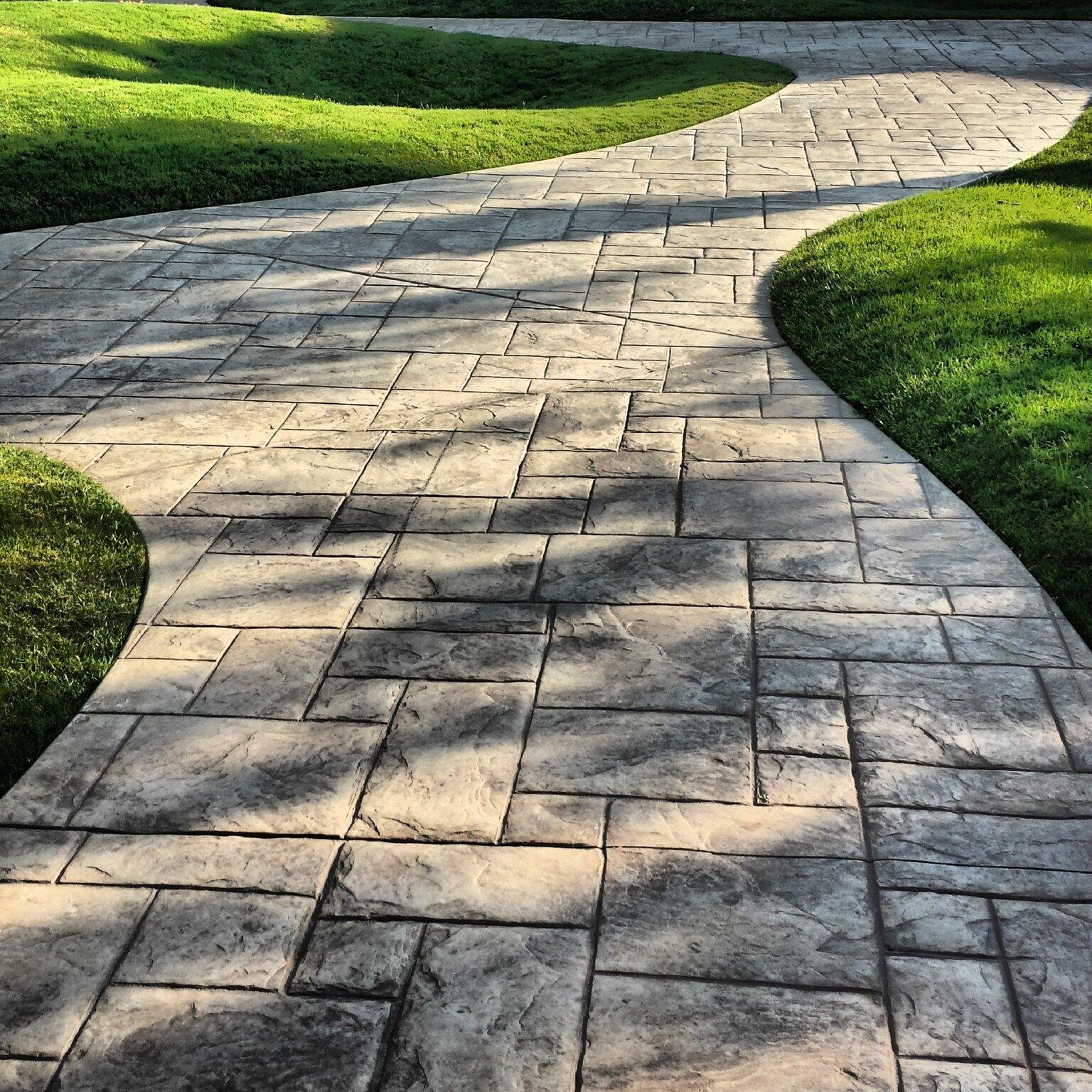
Welcome to the world of backyard renovations with interlocking pavers. With warm weather coming, it’s a great time to turn your outdoor space into a relaxing and beautiful area.
Interlocking pavers give your backyard a clean, stylish look and make it more useful and valuable. Before starting, it helps to have a checklist for success. This includes choosing the right pavers, planning the layout, installing them properly, and learning simple maintenance tips.
Get ready to create your dream backyard with interlocking pavers!
Why Choose Interlocking Pavers?
Interlocking pavers are known for their durability and versatility, making them a popular choice for outdoor flooring projects. Unlike traditional concrete or asphalt surfaces, interlocking pavers can withstand heavy foot traffic, extreme weather conditions, and even vehicle weights without cracking or shifting. This makes them ideal for driveways, patios, and walkways that will see a lot of use.
Additionally, interlocking pavers come in a wide variety of shapes, sizes, and colors, allowing for endless design possibilities. They are also easy to install and can be easily replaced if they become damaged. Overall, choosing interlocking pavers guarantees a long-lasting, low maintenance, and aesthetically pleasing outdoor surface.
Assess Your Space
The first step in your backyard renovation is to assess your existing space. Take measurements to determine how much area you want to cover with interlocking pavers.
Consider the layout, any existing landscaping features, and how you plan to use the space. Will it be a gathering area for friends and family? A play area for children? The purpose of the space will heavily influence your design choices.
Set a Budget
Develop a clear budget for your backyard renovation. Costs can fluctuate based on the type of pavers, labor, and additional features. Maintaining a budget helps avoid overspending and allows for adjustments in design choices. Make sure to include:
- Materials
- Labor
- Landscape adjustments
- Permits, if needed
- Contingency funds for unexpected costs
Design Choices
Your design should reflect your personal style while considering functionality. Draw inspiration from outdoor magazines, websites, or even your favorite public spaces. Pay attention to:
- Patterns
- Colors
- Textures
Gather Tools and Materials
Before you begin, ensure you have all necessary tools and materials at hand. Common tools needed for interlocking paver installation include:
- Shovel
- Compactor
- Level
- Rubber mallet
- Geotextile fabric
- Sand
- Edging materials
Clear the Area
Remove any existing turf, plants, or debris from the area where you plan to install the pavers. This step is crucial because it ensures a solid foundation for your pavers and helps prevent future issues. Making sure the area is clear of any obstructions will make the installation process much smoother and more efficient.
Excavate Properly
Dig down to the recommended depth, typically 6-8 inches, depending on the type of pavers and how much weight they’ll need to support. Excavate carefully to avoid damaging any underground utilities and ensure a stable base for your renovation project. After excavation, compact the soil to prevent settling.
Choose the Right Base Material
Using appropriate base material is critical for the longevity of your backyard renovation. Crush stone or gravel is commonly recommended for drainage and stability purposes. A good base will help ensure that your interlocking pavers stay level and intact for years to come.
Install a Geotextile Fabric
Placing a geotextile fabric before adding your base material can prevent weeds from growing through the pavers and enhance drainage. This step is often overlooked, but it plays a significant role in the overall success of your renovation.
Level and Compact the Base
After placing the base material, use a compactor to ensure it is tightly packed and level. The stability of your entire project depends on the quality of the base. An even surface will prevent any displacement of pavers over time.
Start with a Border
To create a clean finish for your interlocking pavers, it’s advisable to begin your installation with a border. Use either edging stones or cut pavers to create a neat outline around your project. This not only enhances appearance but also holds the pavers in place.
Laying the Pavers
Now, it’s time to lay the pavers. Start from one corner and move horizontally.
As you place each paver, ensure they are snug against each other, and use a rubber mallet to tap them into place. Regularly check for levelness, as this will prevent future settling.
Fill in Gaps
After laying your pavers, the gaps need to be filled with sand or polymeric sand. This step helps to lock the pavers in place and prevents weed growth.
Spread the sand over the pavers and use a broom to sweep it into the gaps thoroughly. Be generous with the sand and don’t forget to compact it afterward.
Sealing the Pavers
To protect your investment, consider sealing the pavers after the installation. A good sealant enhances the color and protects against staining and weathering. Sealing is especially recommended if you live in areas prone to harsh weather conditions.
Landscaping Around the Pavers
Don’t overlook the surrounding areas. Landscaping can greatly enhance the beauty of your backyard renovation.
Consider adding plants, shrubs, or flowers that complement the color of your interlocking pavers. Plan for walkways, fire pits, or outdoor furniture to maximize usability.
Regular Cleaning
To keep your pavers looking fresh and new, regular cleaning is essential. Use a broom or leaf blower to remove debris and weeds. For deeper cleaning, consider using a pressure washer but be wary of using too much pressure, which can damage the pavers.
Inspect and Repair
A routine inspection helps catch potential problems early. Check for any displacements or cracks, and if found, address them immediately. Performing repairs promptly ensures your backyard renovation remains stunning and functional for years to come.
Hiring Professionals for Installation
While DIY installation may be tempting, it can lead to mistakes that cost you time and resources. For a seamless experience, consider opting for professional interlocking installation.
They bring expertise, and experience, and can save you potential headaches down the line. A professional team knows local regulations, material sourcing, and proper installation techniques needed for a successful project.
Ensure a Smooth Backyard Renovation With Interlocking Pavers
With careful planning, a thoughtful design, and quality materials, you can create a backyard oasis that enhances your home’s appeal and enjoyment. Following this checklist ensures your backyard renovation with interlocking pavers is a success.
Make the most of your outdoor space and enjoy every moment spent with family and friends. Ready to get started? Take the first step towards your dream backyard today.
Like this article? Read more about these topics on our blog.

Rao Waqas is a passionate content writer who crafts engaging and insightful articles across diverse topics, helping readers stay informed and inspired.