
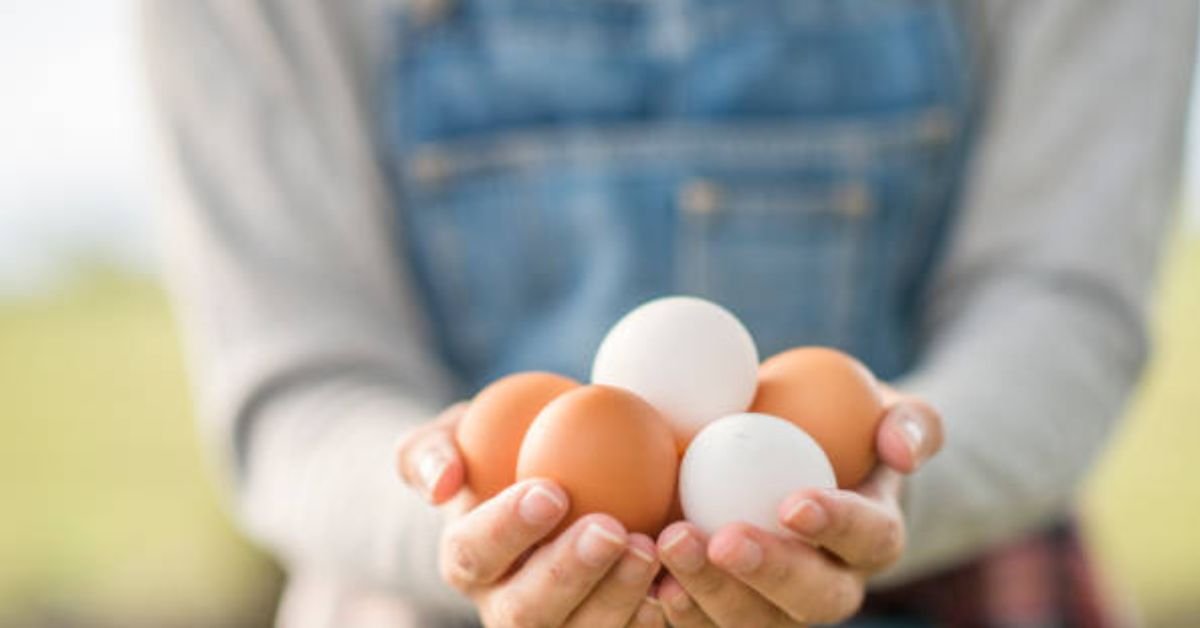
Eggs from plants are essentially a type of food product that’s designed to mimic the taste, texture, and functionality of traditional eggs, but they’re made from plant-based ingredients instead. The idea might sound far-fetched, but trust us, it’s a real thing. Companies are now using various plant-based ingredients to create egg alternatives that are not only delicious but also more sustainable and cruelty-free.
The Ingredients Behind Eggs from Plants
So, what exactly goes into making eggs from plants? The ingredients can vary depending on the brand and type, but some common ones include mung bean protein, algal protein, and other plant-based derivatives. These ingredients are carefully combined to replicate the binding properties and richness of traditional eggs. For instance, mung bean egg nutrition is becoming increasingly popular due to its high protein content and nutritional benefits.
Eggs from Plants Recipes to Try
One of the best things about eggs from plants is their versatility in cooking. You can use them in a variety of dishes, from scrambled eggs to baked goods. Here are a few eggs from plants recipes to get you started:
- Make a vegan omelette using mung bean eggs and your favorite fillings.
- Use egg from plants alternatives in your favorite baking recipes for a cruelty-free twist.
- Create a plant-based breakfast burrito with scrambled eggs from plants and avocado.
“I was blown away by how similar the taste and texture were to traditional eggs – it’s like a game-changer for vegans and flexitarians alike!” – a satisfied customer.
The Pros and Cons of Eggs from Plants
As with any food product, there are pros and cons to consider when it comes to eggs from plants. On the plus side, they’re often more sustainable, cruelty-free, and can be a healthier alternative to traditional eggs. However, some people might be put off by the higher cost or different taste. Let’s weigh the advantages and disadvantages:
- Pros: more sustainable, cruelty-free, potentially healthier, and versatile in cooking.
- Cons: can be pricier, different taste, and limited availability in some areas.
Mung Bean Egg Nutrition: A Closer Look
Mung bean eggs are a type of egg from plants that’s gaining popularity due to its nutritional benefits. They’re high in protein, low in calories, and rich in essential vitamins and minerals. Here’s a breakdown of the nutritional benefits:
- High protein content: around 6-8 grams per serving.
- Low calorie count: approximately 70-80 calories per serving.
- Rich in vitamins and minerals: potassium, vitamin B, and iron.
FAQs
Q: Are eggs from plants suitable for vegans?
A: Absolutely! Eggs from plants are made from plant-based ingredients, making them a great option for vegans and those looking for a cruelty-free alternative.
Q: How do eggs from plants compare to traditional eggs in terms of nutrition?
A: Eggs from plants can be a healthier alternative to traditional eggs, with lower cholesterol and saturated fat content. However, the nutritional content can vary depending on the brand and type.
Q: Can I use eggs from plants in baking?
A: Yes, you can! Eggs from plants can be used as a 1:1 substitute in many baking recipes, making it easy to create vegan-friendly treats.
Q: Are eggs from plants available in local stores?
A: Availability can vary depending on your location, but many health food stores and online retailers now carry eggs from plants products. You can also check with local vegan or specialty food stores.
CONCLUSION
Eggs from plants, it’s clear that this innovative food product is here to stay. With its potential health benefits, sustainability, and versatility in cooking, it’s worth giving it a try.
CLICK HERE FOR MORE BLOG POSTS

John Authers is a seasoned and respected writer whose work reflects the tone, clarity, and emotional intelligence that readers value in 2025. His writing blends deep insight with a natural, human voice—making complex ideas feel relatable and engaging. Every piece he crafts feels thoughtful, original, and genuinely worth reading.