
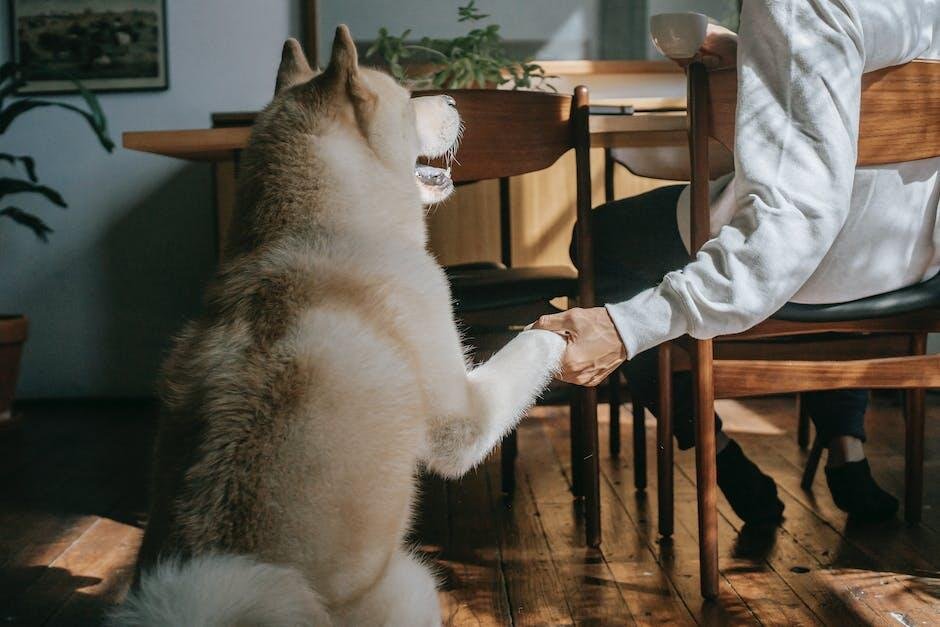
Have you ever wondered why your dog barks nonstop or chews up your shoes? Many pet owners face these issues every day. Canine behavioral challenges can make life tough for both you and your furry friend.
Understanding these problems helps you find ways to fix them. By learning simple tips, you can turn bad habits into good ones.
This guide will show you how to handle common issues like barking, chewing, and more. In the end, you will have a calmer home and a stronger bond with your pet. Let’s dive in and discover how to overcome these challenges together.
Understanding Common Canine Behavioral Challenges
Dogs act out for many reasons, and knowing why helps you respond right. Some behaviors come from boredom, while others stem from fear or lack of training. For example, a puppy might chew things because its teeth hurt during teething.
Older dogs could bark to get attention if they feel lonely. Recognizing these signs early stops problems from getting worse. You can watch your dog’s body language to see if it feels stressed.
Tail wagging might mean excitement, but a tucked tail shows fear. Talking to a vet can rule out health issues that cause bad behavior. With patience, you can teach your dog better ways to act.
Tackling Excessive Barking
Barking is one way dogs talk, but too much of it can annoy everyone. It often happens when dogs want to play, feel scared, or need to go outside. To stop this, start by figuring out what triggers the noise.
Maybe your dog barks at strangers or loud sounds. Once you know the cause, you can train it to be quiet. Use a calm voice and say “quiet” when it starts barking.
Reward your dog with a treat when it stops. This teaches it that silence gets praise, practice this daily in short sessions. Over time, your dog will learn to bark less.
Dealing with Chewing Habits
Chewing is normal for dogs, especially puppies exploring the world. But it becomes a problem when they destroy furniture or shoes. This habit often comes from teething pain or boredom.
To fix it, give your dog safe toys to chew on instead. Hide valuable items out of reach to prevent accidents. When you catch your dog chewing something wrong, say “no” firmly and offer a toy.
Praise it when it chews the right thing. This positive approach works better than punishment. Make sure your dog gets enough exercise to burn energy.
Managing Separation Anxiety
Dogs with separation anxiety get upset when left alone. They might whine, destroy things, or even hurt themselves. This happens because they see you as their pack leader.
To help, start leaving your dog alone for short times. Gradually increase the time as it gets used to it. Leave a favorite toy or blanket with your scent.
This comforts your dog and reduces stress. Play calming games before you go. Avoid big goodbyes that make leaving harder.
If anxiety is severe, talk to a trainer for more help. Building trust takes time, but it leads to a happier dog. Soon, your pet will feel secure even without you.
Addressing Aggression Issues
Aggression in dogs can scare people and other pets. It often comes from fear, pain, or not being socialized. A dog might growl if it feels threatened.
To handle this, teach your dog to trust strangers slowly. Use treats to reward calm behavior around new people. Never punish aggression, as it can make it worse.
Socialize your dog with other animals from a young age. Watch for signs like stiff body language. If aggression persists, see a vet to check for health problems.
Training classes can also help build confidence. With gentle guidance, your dog can learn to be friendly. This makes walks and playtime safer for everyone.
Promoting Positive Reinforcement
Positive reinforcement is a great way to change bad behaviors. It means rewarding good actions instead of punishing bad ones. For instance, give your dog a treat for sitting on command.
This encourages it to repeat the behavior. Use toys or praise as rewards too, avoid harsh methods that cause fear. Dogs learn faster when they feel happy.
This method strengthens your bond with your dog. It works for all ages and breeds. Positive reinforcement leads to lasting good habits.
Encouraging Proper Socialization
Socialization helps dogs feel comfortable in new situations. Without it, they might act shy or aggressive. Introduce your dog to people, places, and other animals early.
Take short trips to parks or stores. Let your dog meet friendly dogs on walks. Reward calm behavior during these outings.
This builds confidence over time, avoid forcing interactions that scare your dog. Puppies need more socialization than adults. Proper socialization prevents many behavioral issues.
Building a Routine for Your Dog
A daily routine keeps dogs happy and well-behaved. Dogs thrive on predictability, so feed and walk them at the same times. Include play and training in the schedule.
This reduces boredom and stress. For example, morning walks followed by playtime work well. Stick to the routine even on weekends. It helps your dog know what to expect.
If changes happen, ease into them slowly, a routine also improves sleep patterns. Your dog will feel secure and content. This simple step supports all other training efforts.
Seeking Professional Help When Needed
Sometimes, home tips are not enough for tough challenges. If your dog shows signs of deep fear or aggression, get help from experts. Trainers can offer personalized advice.
They use safe methods to teach your dog. Vets can check for medical causes too. Look for certified professionals who use positive techniques.
Online resources can guide you to good options. For those in Ireland, consider dog training in Cork for local support.
Starting early prevents bigger problems. Professional help speeds up progress. It ensures your dog gets the best care possible.
Wrapping Up Your Canine Behavioral Journey
Handling canine behavioral challenges takes effort, but the results are worth it. You now have tools to address barking, chewing, and anxiety. Remember to stay patient and use positive methods.
This keeps your dog happy and your home peaceful. By following these steps, you build a strong relationship with your pet. Challenges like aggression can be managed with care.
Socialization and routines make a big difference. If issues persist, seek expert advice. Your dog will thank you with better behavior.
Did this guide help you? Browse the rest of this section for more advice on a variety of topics.

Rao Waqas is a passionate content writer who crafts engaging and insightful articles across diverse topics, helping readers stay informed and inspired.