

Bringing a dog into your home can be incredibly rewarding, but creating a peaceful and well-organized environment requires intentional training and clear communication. By applying thoughtful dog training techniques, you can strengthen your relationship with your pet, build their confidence, and foster mutual trust. Whether you are just starting your training journey or looking to refine your approach, proven methods, such as those offered by American Canine Academy, can help you achieve harmony in your household.
Dogs, much like people, thrive when they understand what is expected of them. Establishing a positive training atmosphere and focusing on consistency ensures your dog will be happy, healthy, and well-behaved. With the right strategies in place, you can address behavioral challenges and provide your canine companion with skills for lifelong success. Implementing these techniques also gives you the tools to address specific needs, from basic obedience to more complex behaviors, creating a safe and joyful home for everyone.
As you work towards harmony at home, consider not only the practical aspects of dog training but also the ongoing development of your relationship with your pet. Effective communication, structured routines, and regular engagement will shape your dog’s temperament and overall well-being. Training methods continue to evolve, and pet owners need to stay informed about the latest recommendations and resources.
Additionally, exploring research and guidelines from organizations such as the American Kennel Club can deepen your understanding of dog behavior and best practices for training across various environments. Staying informed with reputable sources prepares you to make the best choices for your dog’s needs.
Positive Reinforcement Training
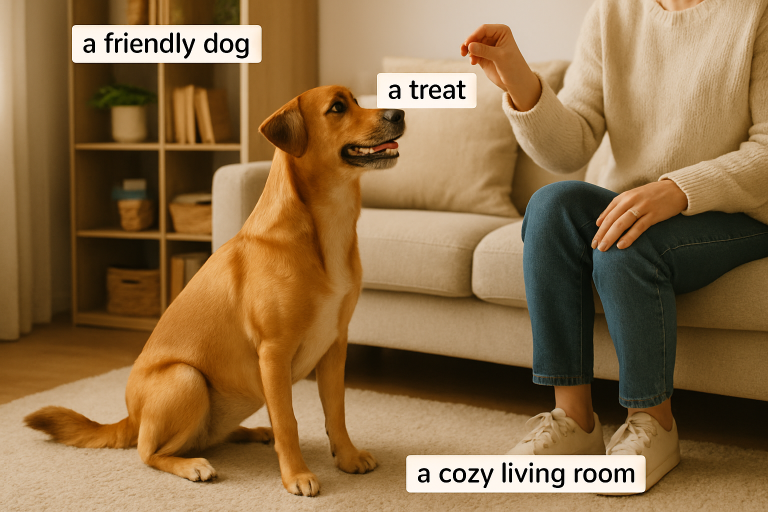
Positive reinforcement is widely regarded as one of the most effective and humane methods of dog training. By rewarding good behavior with treats, praise, or playtime, you encourage your dog to repeat those behaviors. Positive reinforcement not only teaches your dog what you want from them but also strengthens your bond and builds trust. For example, when your dog sits on command and receives a reward, they quickly associate the action with positive outcomes and are more likely to repeat the behavior.
How to Implement Positive Reinforcement
Begin by selecting treats your dog finds especially appealing, or use a favorite toy or extra attention as a reward. When your dog performs a desired behavior, such as sitting, lying down, or coming when called, immediately offer the reward and give plenty of enthusiastic praise. Timing is crucial; ensure the reward follows the behavior closely so your dog can make the connection. For more details on reward-based techniques, visit the ASPCA’s dog behavior resources.
Establishing Clear Rules and Boundaries
Dogs need clear rules and boundaries to feel secure and learn proper behavior. Decide on house rules, such as whether your dog is allowed on furniture or which rooms are off-limits. Everyone in your household must enforce these rules consistently so your dog receives the same message from every family member. Inconsistent rules can confuse your dog and lead to unwanted behaviors.
Tips for Setting Effective Boundaries
Use short, consistent cues for commands and redirect unwanted behaviors without punishment. If your dog jumps on the couch but is not allowed, calmly guide them off and ask for an alternative behavior, such as sitting. Reward your dog each time they make the correct choice, positively reinforcing your expectations.
Consistent Daily Routines
Dogs benefit greatly from consistent routines. Predictable schedules for feeding, potty breaks, walks, and playtime create a sense of security and reduce anxiety. Integrate short training sessions into your daily routine so learning becomes a natural part of your dog’s day, not a separate or stressful event. Over time, this structure helps your dog relax and behave more calmly at home.
Socialization and Exposure
Proper socialization is crucial for a well-adjusted dog. Begin at a young age by exposing your dog to various environments, people, sounds, and other animals in a controlled, gradual way. Positive socialization experiences help your dog become more confident and less fearful of new situations. This process prevents future behavioral issues such as excessive barking or aggression towards strangers. The American Veterinary Medical Association provides additional recommendations for safely socializing your dog
Mental Stimulation and Exercise
Physical activity is essential for burning off energy and preventing boredom, but mental stimulation is just as crucial for your dog’s happiness. Enrich your dog’s environment with puzzle toys, obedience games, and scent work activities. Regular exercise tailored to your dog’s breed and age keeps them healthy and reduces the risk of destructive behaviors. Interactive play, such as fetch or tug-of-war, also strengthens your bond.
Addressing Behavioral Issues
Addressing behavioral problems early prevents them from becoming ingrained and difficult to correct. Common issues such as barking, digging, or chewing can often be redirected by offering an alternative behavior and rewarding compliance. Stay patient and avoid harsh corrections, which can damage the relationship and make behaviors worse. If problems persist, keep a log of the triggers and seek guidance from reputable sources.
Training in Multi-Dog Households
Managing a home with multiple dogs requires some extra planning. Ensure each dog has their own space to retreat and rest, which can reduce competition and tension. Feed dogs separately to avoid food guarding, and practice training in one-on-one sessions before bringing them together as a group. Closely supervise interactions and reward positive behaviors to foster cooperation and minimize conflict.
When to Seek Professional Help
Sometimes a dog’s behavioral issues are complex or persistent enough to require professional help. Certified dog trainers or veterinary behaviorists have extensive experience and can develop a customized plan for your situation. Issues such as aggression, severe anxiety, or unmanageable fear should be handled with the guidance of a professional to ensure safety and effective treatment. The American Veterinary Society of Animal Behavior offers a directory of qualified experts to help you get started.
By consistently following these training techniques, you can create a harmonious, safe, and enjoyable living space for both you and your canine companion. Thoughtful training is an ongoing process, but the rewards, a well-mannered, happy, and loving dog, are well worth the effort.
CLICK HERE FOR MORE BLOG POSTS

Liam is a freelance writer, blogger, and digital media journalist. He has a management degree in Supply Chain & Operations Management and Marketing and boasts a wide-ranging background in digital media.