
Brass instruments continue to draw beginners and professionals because these instruments offer a strong sound and a clear learning path. Many people start with simple options that build confidence early.
Others move to more advanced models as their skills grow. Each instrument has its own purpose and feel. A careful match helps players learn faster. This guide lays out what matters for new and experienced players.
Explore the best choices today and follow the call to action to check the sections below for a closer look at each option.
Trumpets
Trumpets remain one of the most popular starting points because their size and structure make them easy to handle. The sound cuts through most settings and gives players a strong sense of control.
Beginners like the simple mouthpiece feel which helps them build a stable foundation. Professionals value the clear tone that fits many styles. Light resistance helps new learners develop breath support. The layout supports quick progress and steady improvement.
Consistent practice brings clean notes that inspire confidence. Both stages rely on good posture and steady airflow. This instrument suits students who want fast development and a long-term path.
Cornets
Cornets offer a warm tone that many new learners find easier to manage. The compact shape sits comfortably in the hands. This helps beginners stay relaxed during practice. Professionals like the smooth sound for ensemble work. The shorter tubing gives a gentle response that supports early skill building.
Many players appreciate how flexible the sound can be in group settings. Clear articulation becomes easier with regular training. The instrument fits many music styles. It gives beginners a chance to grow without feeling overwhelmed.
Flugelhorns
Flugelhorns create a soft sound that blends well in many groups. Players enjoy the broad tone that fills a room gently. Beginners feel more relaxed because the instrument supports smooth airflow. Professionals use it for lines that need warmth.
The deeper feel helps students gain control slowly. The tone invites careful listening that sharpens awareness. Players develop better balance in their breath work. The design supports long sessions without strain. This instrument fits well for musicians who want a mellow sound.
French Horns
French horns challenge beginners at first but reward steady practice. The circular design may feel unusual at the start. Breath control becomes important early. Professionals value the wide range and rich tone.
Beginners learn to focus because small changes matter. The sound supports many types of music and fits well in orchestras. Students grow patient as they respond to the instrument’s demands.
The horn builds strong musicianship over time. This instrument fits learners who enjoy a slow and steady path.
Tenor Horns
Tenor horns offer a balanced tone that helps beginners stay confident. The shape feels comfortable for long practice sessions. The airflow requirement sits between easy and moderate. Professionals enjoy the smooth mid-range sound. The instrument helps students transition to larger brass instruments later.
Clear notes come with steady breathing. The build encourages good hand placement. The warm tone blends well in ensemble settings. Players often choose this instrument for its steady feel.
Baritones
Baritones produce a round sound that suits many music groups. Beginners like the larger mouthpiece because it feels more forgiving. Professionals enjoy the full tone. The instrument supports steady technique growth.
Students learn to manage airflow with more awareness. The smooth response helps them practice longer. The baritone offers a calm learning path. Many players use it as a stepping stone to other brass options. It brings confidence to musicians who want to explore deeper tones.
Euphoniums
Euphoniums give a rich tone that many players love. Beginners feel supported by the broad sound. Professionals rely on the instrument for expressive lines. The larger tubing helps students focus on controlled breathing.
The sound encourages slow and careful playing. The instrument rewards practice with clear improvements. Consistency builds strong tone quality. The euphonium fits well in many music settings. It appeals to players who enjoy depth and warmth in their sound.
Tubas
Tubas produce powerful notes that anchor many music groups. Beginners appreciate the slow airflow requirement because it supports steady breathing. Professionals rely on the instrument for strong foundation lines. The size encourages proper posture early.
The deep tone teaches students to listen carefully. The instrument responds well to relaxed practice habits. Players grow more confident with each session. It matches learners who want to explore lower ranges. The broad sound carries well in ensemble settings.
Mellophones
Mellophones serve as a strong choice for outdoor groups. Beginners find the mouthpiece easier compared to similar options. The tone fits marching settings well. Professionals use it to add body to the overall sound. The shape makes it simple to hold in long events.
The instrument encourages steady air control. Students learn projection quickly. The mellophone creates a clear path for learners. It supports players who want to join performance groups early.
Valve Trombones
Valve trombones give beginners a quicker start because the valve system feels familiar. Professionals use them for passages that need speed. The sound fits well in many music styles. Students adapt fast due to the straightforward layout. The tone remains strong and centered.
Practice brings steady improvement. The instrument helps players understand brass airflow. It offers a bridge for those who want trombone tone with simpler technique. It supports both learning and performing.
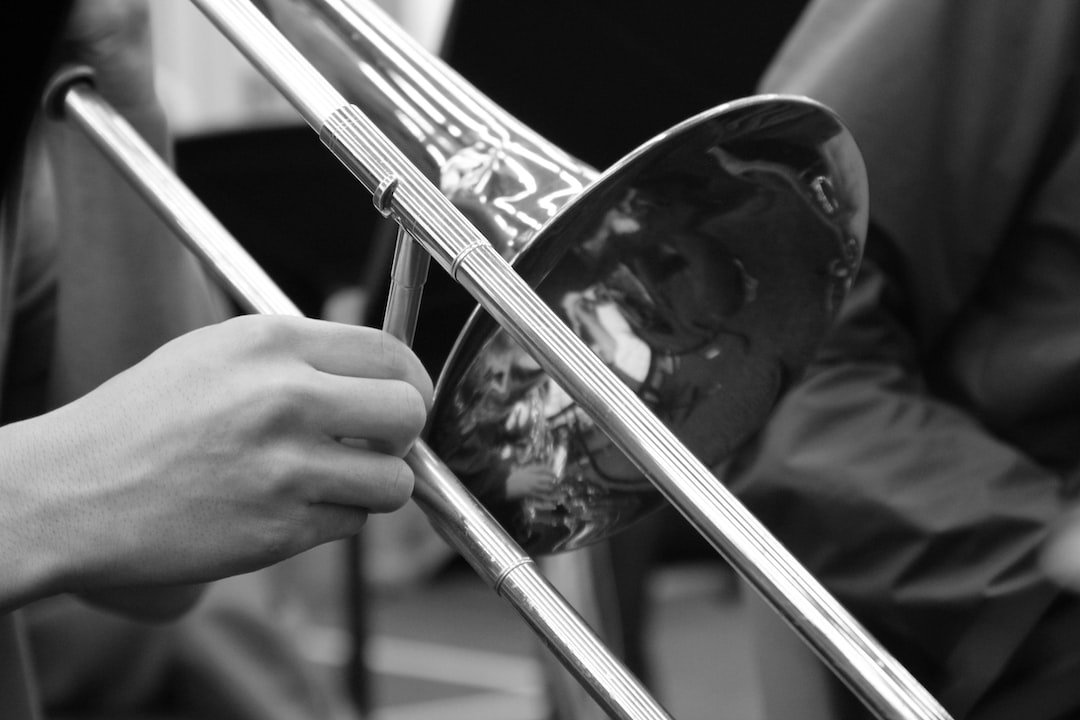
Slide Trombones
Slide trombones create a unique experience for players. Beginners learn pitch accuracy through ear training. Professionals enjoy the expressive range. The slide offers freedom in sound shaping.
Early practice builds strong listening skills. Students benefit from learning smooth transitions. The broad tone supports many genres. The instrument grows with the player. It suits learners who enjoy hands-on control.
Marching Baritones
Marching baritones help players perform outdoors with strong projection. Beginners find the balance manageable. Professionals use them for clean and powerful lines. The design supports clear articulation. Students learn breath control quickly.
The instrument encourages stable posture. It handles long rehearsals well. The tone cuts through open spaces. It appeals to musicians who enjoy structured performance environments.
Discover the Best Brass Instruments
Brass instruments give beginners and professionals many options that match their goals and comfort levels. Each instrument supports skill growth in a unique way.
The right choice helps players improve faster and enjoy each stage of their learning. Try different options to see what feels natural. Focus on sound, comfort, and response.
Good technique develops with steady practice. The right path leads to lasting progress and a rewarding music experience.
Should you wish to read more, visit our blog page. We’ve got other topics.

Rao Waqas is a passionate content writer who crafts engaging and insightful articles across diverse topics, helping readers stay informed and inspired.