
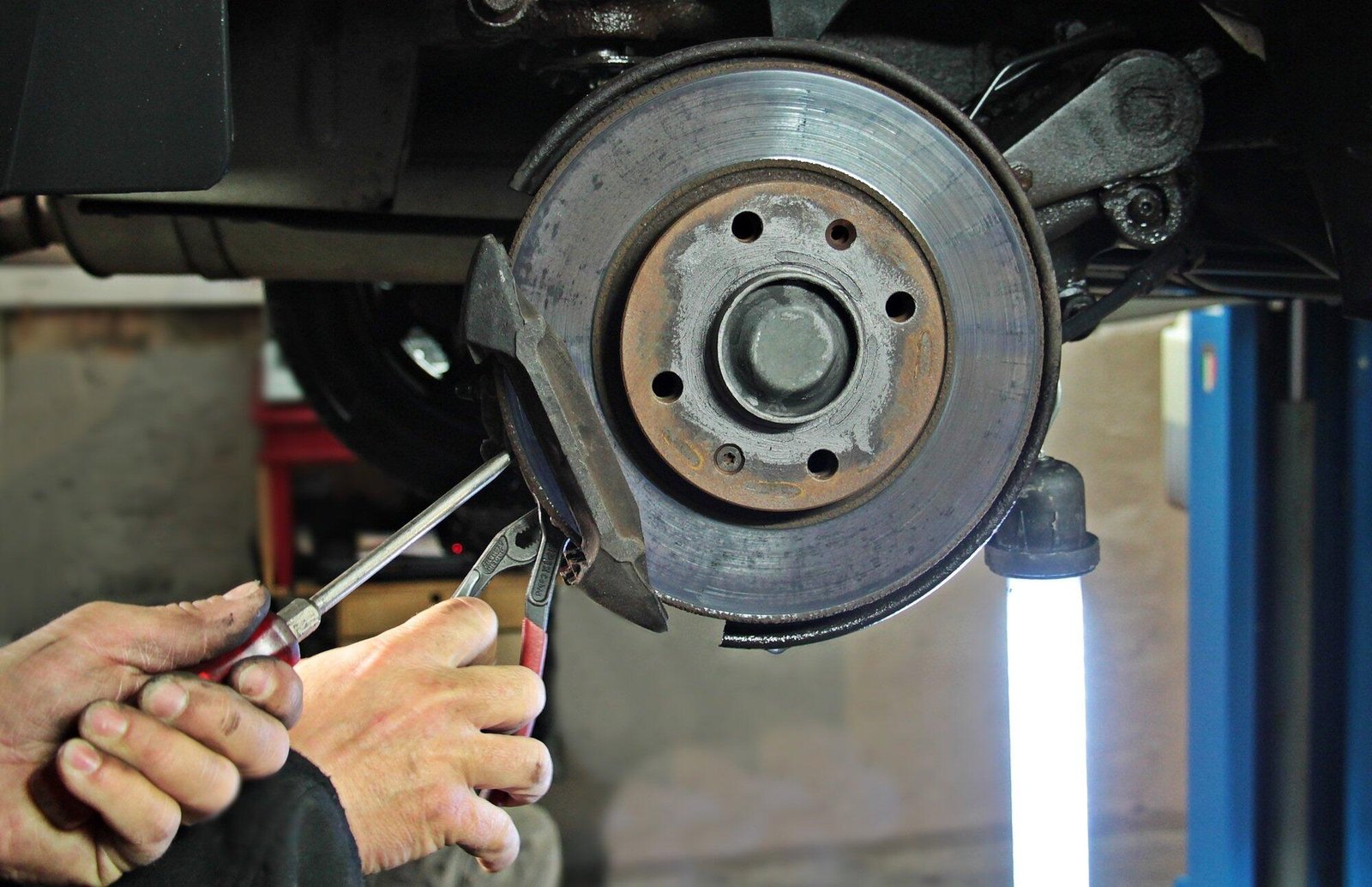
DIY auto repair is becoming more common for vehicle owners who want control and savings. The right manual makes each task clearer and safer. Not all manuals offer the same level of detail or accuracy.
Vehicle type and model year matter from the start. Clear instructions reduce mistakes and wasted time. Good preparation builds confidence before touching any part.
Explore the points below to choose a DIY auto repair manual that truly fits the vehicle.
Match the Manual to the Vehicle Details
Every vehicle has unique systems and layouts. A manual must match the exact model and year. Small differences can change repair steps. Using the wrong guide can lead to errors.
Accurate matching improves safety during repairs. This step should always come first. Engine size also affects repair procedures. Transmission type changes service steps. Exact details prevent costly rework.
Check the Level of Instruction Provided
Some manuals assume basic knowledge. Others guide each step clearly. Simple language helps reduce confusion. Visual support improves understanding. Clear instructions save time during repairs.
The best manuals support both learning and action. Step order should be easy to follow. Safety notes should be clearly marked. Clear explanations reduce stress during repairs.
Review the Range of Repairs Covered
A useful manual covers common and advanced tasks. Basic maintenance should be included. Deeper repairs add long term value. Electrical and engine sections are important.
Broader coverage avoids buying extra guides. One manual should support many needs. Troubleshooting sections are very helpful. Diagnostic tips save time and effort. Wider coverage supports long term use.
Look for Clear Diagrams and Images
Images help explain complex steps. Diagrams show part placement clearly. Visuals reduce guesswork during repairs. Clear labeling matters for accuracy.
Good images speed up the process. Text alone is often not enough. Images should match the vehicle layout. Close up views improve clarity. Clear visuals reduce mistakes.
Consider Update Frequency and Accuracy
Vehicle systems change over time. Manuals need current information. Updated content improves reliability. Errors can cause damage or injury. Trusted sources focus on accuracy.
Some users may find that you might want to click for more on https://diyrepairmanuals.com/ or similar resources for updated guidance. Accurate torque values are critical. Updated wiring details prevent errors. Current data supports safer repairs.
Ensure Ease of Access and Use
A manual should be easy to navigate. Clear sections help find answers fast. Search features improve efficiency. Simple layout reduces frustration. Access on multiple devices adds convenience.
Ease of use supports consistent learning. Fast loading improves workflow. Organized chapters save time. Easy access keeps repairs moving.
Understand Safety Guidance and Warnings
A good DIY auto repair manual clearly highlights all safety instructions to prevent accidents. Warnings about hazards should be easy to find and understand before starting any repair.
The manual should explain proper use of tools and protective equipment for each task. It should also provide guidance on handling fluids, electrical components, and heavy parts safely.
Following these instructions reduces the risk of personal injury and damage to the vehicle. Manuals with detailed safety sections encourage responsible repair habits and give users confidence while working on complex tasks.
Choose the Right DIY Auto Repair Manual for Your Vehicle
Choosing the right manual supports safer and smarter DIY auto repair. Accurate details protect both the vehicle and the user. Clear instructions build confidence with each task.
Visual support improves repair quality. Updated content keeps guidance reliable. A well chosen manual makes every repair more manageable.
For other topics, check our blog!

Rao Waqas is a passionate content writer who crafts engaging and insightful articles across diverse topics, helping readers stay informed and inspired.