

Introduction
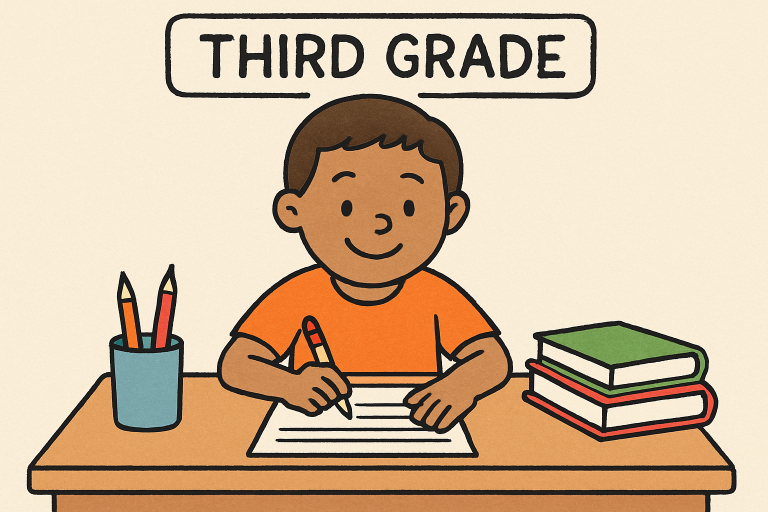
Developing proficient writing skills during the elementary years lays a strong academic and communicative foundation for children. The habits and techniques they establish now can affect their confidence and abilities for years to come. As third graders enter this pivotal stage, stimulating and scaffolding their writing through well-crafted activities becomes crucial for their cognitive and expressive growth. An excellent way to support this vital journey is by integrating structured and engaging resources—like 3rd grade worksheets—directly into their daily learning routines. These worksheets cater to varying skill levels and learning styles, ensuring that every student can find the right fit for their unique needs, making writing both accessible and enjoyable. The ability for students to see their growth and accomplishments through finished worksheets also inspires motivation and pride.
At this age, students transition from “learning to read” to “reading to learn,” so strengthening their ability to formulate ideas in writing reinforces comprehension and retention. Writing helps them process information more deeply, improving their ability to recall facts and make connections between subjects. The right worksheets not only make writing practice engaging but also deepen their understanding of language, sentence structures, and vocabulary. As a result, their communication skills blossom, assisting them in every area of their academic and personal lives.
Why Focus on Writing in 3rd Grade?
Third grade is a pivotal stage for young learners as they encounter longer texts and more complex topics, making strong writing skills essential for clearly expressing their understanding. Worksheets that encourage students to share opinions, recount events, or tell stories help build their confidence in communicating effectively. This self-assurance extends across all subjects, including science, social studies, and even math, where written explanations of problem-solving steps become increasingly important. As Edutopia notes, incorporating writing into every subject reinforces learning and supports the development of critical thinking skills.
Consistent writing practice at this stage also nurtures logical thinking and introduces students to the processes of planning, drafting, and revising their work. These skills help children organize their ideas, clarify their thoughts, and articulate them coherently. Engaging, varied activities can prevent boredom while fostering a genuine interest in writing, a skill that benefits them both academically and in everyday life. Through repeated practice, students develop perseverance and focus—valuable abilities that will serve them well in the future.
Types of Writing Worksheets
- Opinion Writing: These worksheets encourage students to form and articulate their viewpoints on everyday issues or favorite topics. Crafting opinion pieces teaches third graders to support their thoughts with reasons, a skill that will benefit persuasive writing assignments in later grades. Through opinion writing, students also learn how to respectfully consider and address opposing viewpoints, laying the groundwork for healthy debate and critical discussion as they grow older.
- Descriptive Writing: Descriptive prompts invite students to explore their five senses as they construct scenes or recount experiences. This type of writing develops their ability to use vivid adjectives and clear, concrete details, transforming simple stories into vivid narratives that captivate readers’ imaginations. Such exercises push students to move beyond basic sentences, challenging them to bring their unique perspectives to life on the page.
- Paragraph Construction: By breaking down essays into structured paragraphs, these worksheets highlight the importance of topic sentences, supporting details, and concluding statements. Practicing paragraph formation helps students organize their ideas logically, ensuring easy-to-follow progression in their writing and preparing them for multi-paragraph essays in higher grades. The skill of writing effective paragraphs is foundational for all future academic writing, as it supports clarity and coherence.
Benefits of Using Worksheets
Incorporating writing worksheets into a child’s learning routine ensures regular practice and steady progress in various essential skills. Through these activities, students can:
- Strengthen grammar and punctuation in a low-pressure, supportive setting, rooting out common errors before they become habits.
- Build confidence by tracking improvement over time, as finished worksheets serve as tangible proof of their efforts and growth.
- Learn to edit and revise their work constructively, adopting a mindset that sees writing as a process of refining ideas and correcting mistakes.
- Explore creative self-expression while meeting academic standards, balancing imagination with structure to ensure their work can be both original and effective.
Consistent exposure to structured exercises promotes a growth mindset, helping students overcome writing apprehension and view challenges as opportunities for expansion. Over time, their resilience in tackling challenging writing tasks improves, and they take greater ownership of their academic journey.
Incorporating Interactive E-Books
Modern learning resources such as interactive e-books complement worksheet-based practice by enhancing vocabulary and comprehension through digital storytelling and engaging, responsive content. Recent educational research shows that children who regularly use interactive e-books experience significant gains in word knowledge, reading fluency, and even motivation to read independently. These digital tools engage multiple senses—sight, sound, and touch—and can adapt to a child’s unique learning pace, making them an excellent supplement to traditional worksheets, especially for visual or auditory learners. Integrating these digital resources not only leverages children’s natural interest in technology but also introduces multimedia elements, such as animations and interactive quizzes, that reinforce writing and reading concepts in memorable ways.
Practical Tips for Parents
- Set aside consistent, distraction-free time each day or week to practice writing skills, creating an environment that supports concentration and creativity.
- Offer specific and positive feedback to nurture improvement and inspire confidence, pointing out what your child did well before suggesting ways to strengthen their work.
- Incorporate a variety of prompts—from creative stories to reflective journal entries—to keep activities interesting and challenge your child in different ways. Mixing genres gives your child freedom to develop new interests and skills, broadening their scope as a writer.
- Read your child’s favorite books together and discuss the author’s style, which helps reinforce the principles covered in worksheets and writing lessons. Conversations about books can spark new ideas for your child’s own writing and provide models of excellent storytelling and communication.
Conclusion
Supporting your child through engaging, thoughtfully designed worksheets and interactive tools sets a strong foundation for lifelong learning and effective communication. The combination of structured practice, exposure to multimedia resources, and active parental encouragement ensures that every third grader—regardless of background or ability—can develop clear, creative, and confident writing skills for future academic success. Consistent support and plenty of opportunities to write lay the groundwork for advanced literacy, empowering children to achieve their fullest potential across all areas of learning.

Ethan Cole is a passionate blogger at Aldalive.com, sharing fresh ideas and engaging content on lifestyle, technology, and everyday trends. With a love for writing and exploring new topics, Ethan aims to make information simple, useful, and inspiring for readers worldwide.