
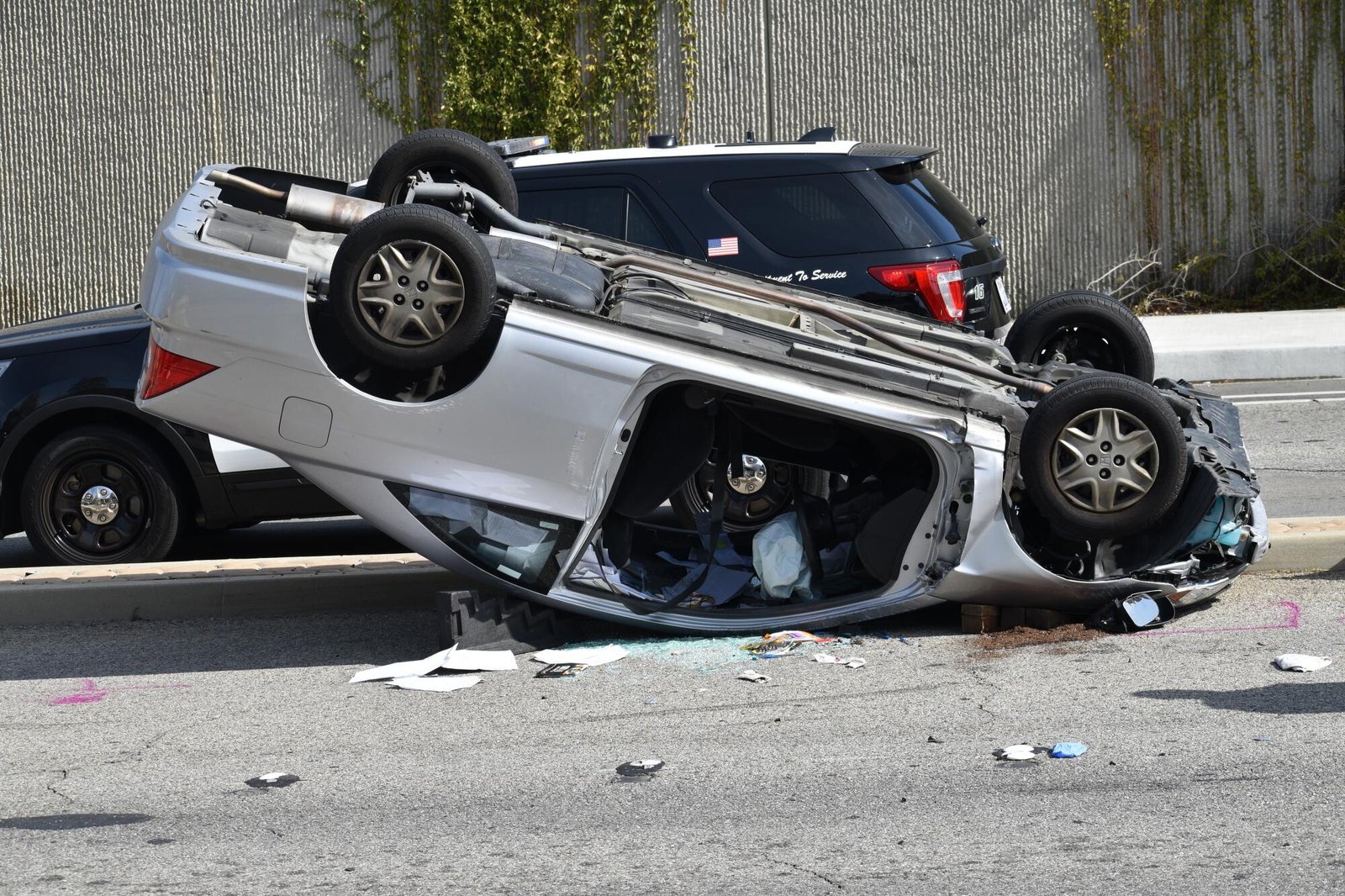
Have you ever wondered what really happens to the body after a car crash? Many people feel fine right after an accident, but notice pain hours or even days later.
A collision creates strong forces that can strain muscles, damage bones, and affect organs inside the body. Some injuries are easy to see, while others take time to appear.
Knowing what to watch for can help you get care quickly and avoid bigger problems later. This article explains the most frequent injuries after vehicle collisions and why early medical care is important.
Soft Tissue Injuries Often Appear First
Soft tissue injuries are very common after car crashes. The body can move suddenly during impact, which puts stress on muscles, tendons, and ligaments. This can cause pain, swelling, and stiffness in the neck, shoulders, or back.
Whiplash is one of the best-known examples of these injuries. It happens when the neck moves forward and backward very fast during a crash. Many doctors say these common car accident injuries may cause headaches, neck pain, and trouble turning the head if they are not treated early.
Head And Brain Injuries Can Be Serious
Head injuries can happen if the head hits a part of the car during the crash. The head may strike the steering wheel, window, or dashboard. Even strong shaking during impact can cause the brain to move inside the skull.
Concussions are one of the most common brain injuries after accidents. They can lead to dizziness, confusion, headaches, and memory problems. Even a mild brain injury should be checked by a doctor because symptoms may get worse later.
Broken Bones And Internal Damage
Car accidents can also cause broken bones because of the strong force involved. Arms, legs, ribs, and wrists are often injured when people brace themselves during a crash. Fractures can cause swelling, sharp pain, and trouble moving the injured area.
Internal injuries are another serious risk. Organs inside the body may be hurt by blunt force even if there are no visible wounds. Because these injuries are harder to notice, doctors often recommend medical checks after any major collision.
Emotional And Psychological Effects
Car accidents can also affect mental health. The shock and fear of a crash may stay with someone long after the event. Some people feel anxious or nervous while driving, or have trouble sleeping.
In some cases, people develop stress-related conditions after a serious crash. They may relive the accident or feel panic when riding in a vehicle again. Talking with a doctor or counselor can help people recover both physically and emotionally.
Knowledge Today and Strength Tomorrow
Understanding how vehicle collisions affect the human body can make a major difference in how quickly someone recognizes an injury and seeks help. Many accident-related conditions develop slowly, which means people who feel fine immediately after a crash may still face medical problems later if they ignore warning signs.
Learning about injury risks also empowers drivers and passengers to act quickly, protect their health, and document injuries when necessary. Awareness encourages timely medical care and informed decisions during recovery.
Did you like this guide? Great! Please browse our website for more!

Rao Waqas is a passionate content writer who crafts engaging and insightful articles across diverse topics, helping readers stay informed and inspired.