
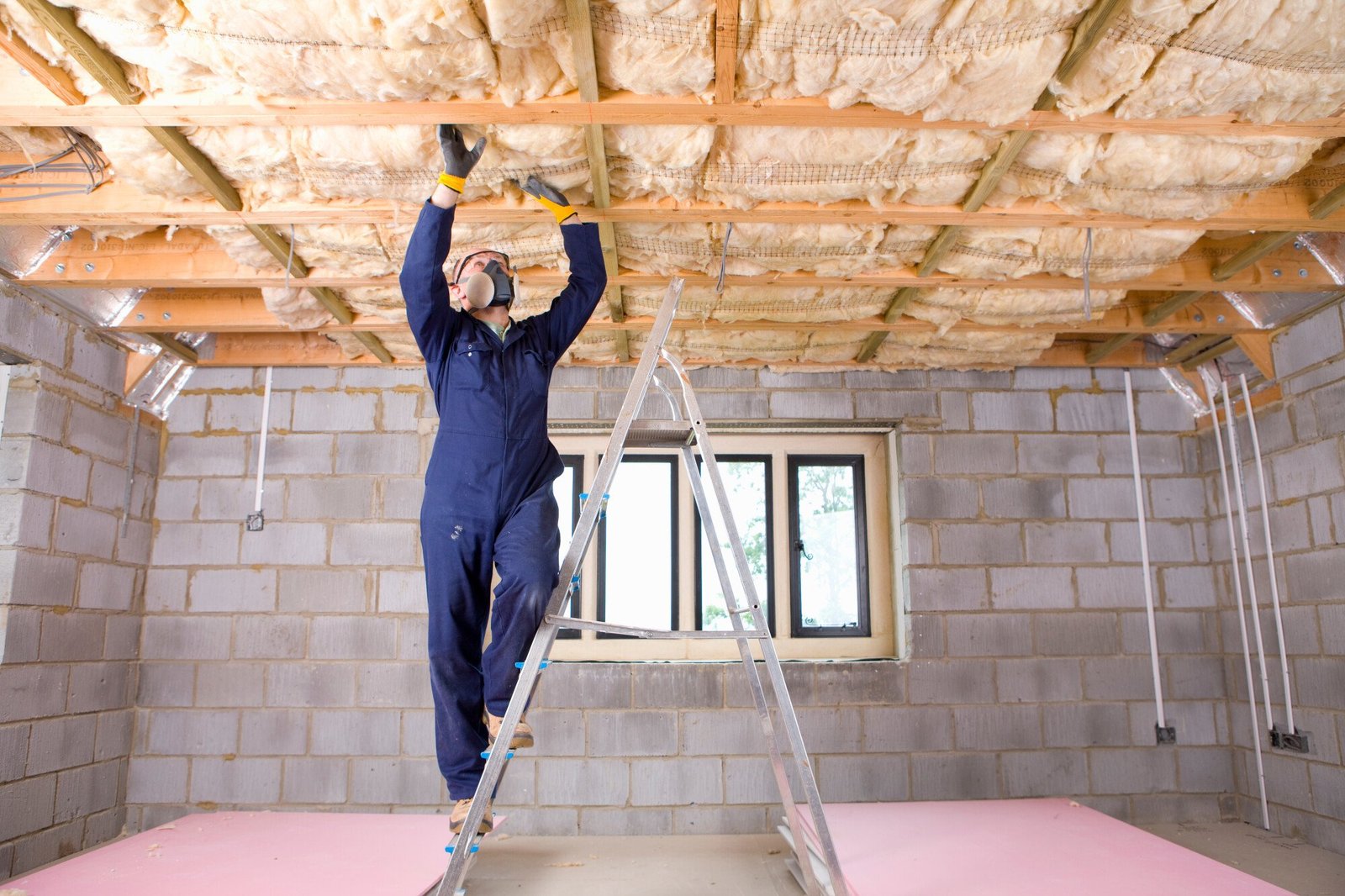
Why do some buildings stay comfortable while using less energy? The answer often lies in strong thermal protection. Modern buildings use better materials to slow down heat movement.
These systems help keep indoor temperatures steady all year. They also reduce the work needed from heating and cooling systems. As a result, buildings use less energy and stay comfortable longer.
This article explains how advanced thermal barrier improves energy efficiency and building performance. Keep on reading!
Understanding Thermal Barriers in Modern Construction
Thermal barriers are layers that slow heat from moving in or out of a building. They are placed inside walls, roofs, and floors to control temperature changes. This simple idea plays a big role in energy efficiency.
When heat moves too quickly, heating and cooling systems must run more often. Thermal barriers reduce this problem by slowing heat transfer. This helps buildings keepr stable indoor temperatures.
Modern construction uses several materials to create strong thermal protection. Insulation, reflective layers, and air sealing work together. These elements create a barrier that improves comfort and reduces energy use.
Why Energy Efficiency Depends on Heat Control
Energy efficiency starts with controlling heat flow. Heat enters buildings through sunlight, outdoor air, and everyday appliances. Without protection, this heat causes energy waste.
Barriers against heat help control these changes. Systems for heating and cooling can work better and less often. This saves energy and makes the equipment last longer.
Comfort is also improved by better control of the heat. In the summer and winter, rooms stay cooler. Stable temperatures inside buildings make them easier to keep up.
High-Performance Insulation Materials
Modern insulation materials are better at stopping the flow of heat. Fiberglass, mineral wool, and foam boards are all common choices. Depending on the design of the building, each material has its own benefits.
Spray foam insulation gets bigger and fills in the little holes. In places where air could escape, this helps seal them off. This makes the barrier against heat loss stronger.
A lot of roofs and foundations are also made with rigid foam boards. They offer reliable resistance to heat. For many years, these materials have helped buildings keep working well.
Reflective and Radiant Barrier Technologies
Radiant barriers stop heat from moving through radiation. Usually, they have aluminum surfaces that reflect light installed under the roof. The main thing they do is keep the building cool.
By cutting down on radiant heat, rooms inside stay cooler. There’s no need for air conditioners to work as hard. This means that less energy is used.
The best way to use reflective barriers is with regular insulation. They work better together to protect against heat. This mix makes energy use more efficient overall.
Air Sealing and Thermal Protection
A lot of energy is lost through air leaks. Air can escape through small holes in walls, pipes, and joints. Even small holes can make things less efficient.
Strong materials are used for air sealing to close these gaps. Sealants, foam, and gaskets stop airflow that isn’t wanted. This step makes the thermal barrier stronger.
Heating and cooling systems work better when they are sealed. The temperature inside stays the same. It gets warmer and uses less energy in buildings.
Thermal Barriers in Roof and Attic Design
The sun’s heat hits roofs and attics the hardest. When it’s hot outside, the attic can get very warm. This heat can get into places where people live below.
Newer types of insulation and radiant barriers help make this problem less of a problem. They keep heat from moving through the roof by reflecting it. When it’s hot outside, places inside stay cooler.
Having enough air flow in the attic also helps keep heat from building up. Moving air gets rid of the extra heat that builds up under the roof. All of these solutions work together to make things run more smoothly.
Benefits for Long-Term Building Performance
Using thermal barrier systems to insulate buildings is good for the structure in the long run. These things are protected from the effects of constant changes in temperature. The less wear and tear on building parts means they will last longer.
Another way to make the people inside the building more comfortable is to keep the temperature stable. The number of drafts and changes in temperature is going down. As a result, the place where people live becomes more pleasant.
Limiting the amount of energy used is also good for protecting the environment. Buildings that are efficient use fewer resources than buildings that are not. Over time, this helps lessen the damage it does to the environment.
Professional Installation and Quality Standards
For thermal barriers to work well, they need to be installed correctly. If the materials aren’t put together right, even good ones will fail. Professional installers know how to make a thermal layer that goes all the way through.
Building codes and energy codes tell installers how to do their jobs right. These rules make sure that insulation systems do what they’re supposed to do. By following these rules, weak spots in the building envelope can be avoided.
Many property owners rely on specialized insulation services in Hudson Valley for reliable results. Skilled professionals evaluate each building carefully. This ensures the right materials and methods are used.
Future Trends in Thermal Barrier Innovation
Thermal barriers are getting better as technology moves forward. At the moment, work is being done to make new materials that provide better insulation. Thanks to these new ideas, it is now easier to get buildings that use less energy.
Phase-change materials are one type of new technology. In the course of time, they slowly give off the heat that they take in. This helps keep the temperature inside the building steady.
Intelligence-based building systems also help with thermal efficiency. There are sensors and automatic controls that change the temperature of the heating and cooling system based on the situation. When these technologies are used together, they make buildings use less energy.
Improve Energy Performance With Modern Thermal Protection Systems
Buildings that use advanced thermal barrier solutions use less energy and are more comfortable. By stopping heat from moving, they save energy and keep the temperature inside stable.
It is very important to have good insulation, reflective barriers, and air sealing. When set up correctly, these systems save energy and keep building materials safe.
Thermal protection will get better as technology gets better. All buildings will be more efficient and last longer if they use modern thermal barriers.
Did you like this guide? Great! Please browse our website for more!

Rao Waqas is a passionate content writer who crafts engaging and insightful articles across diverse topics, helping readers stay informed and inspired.