
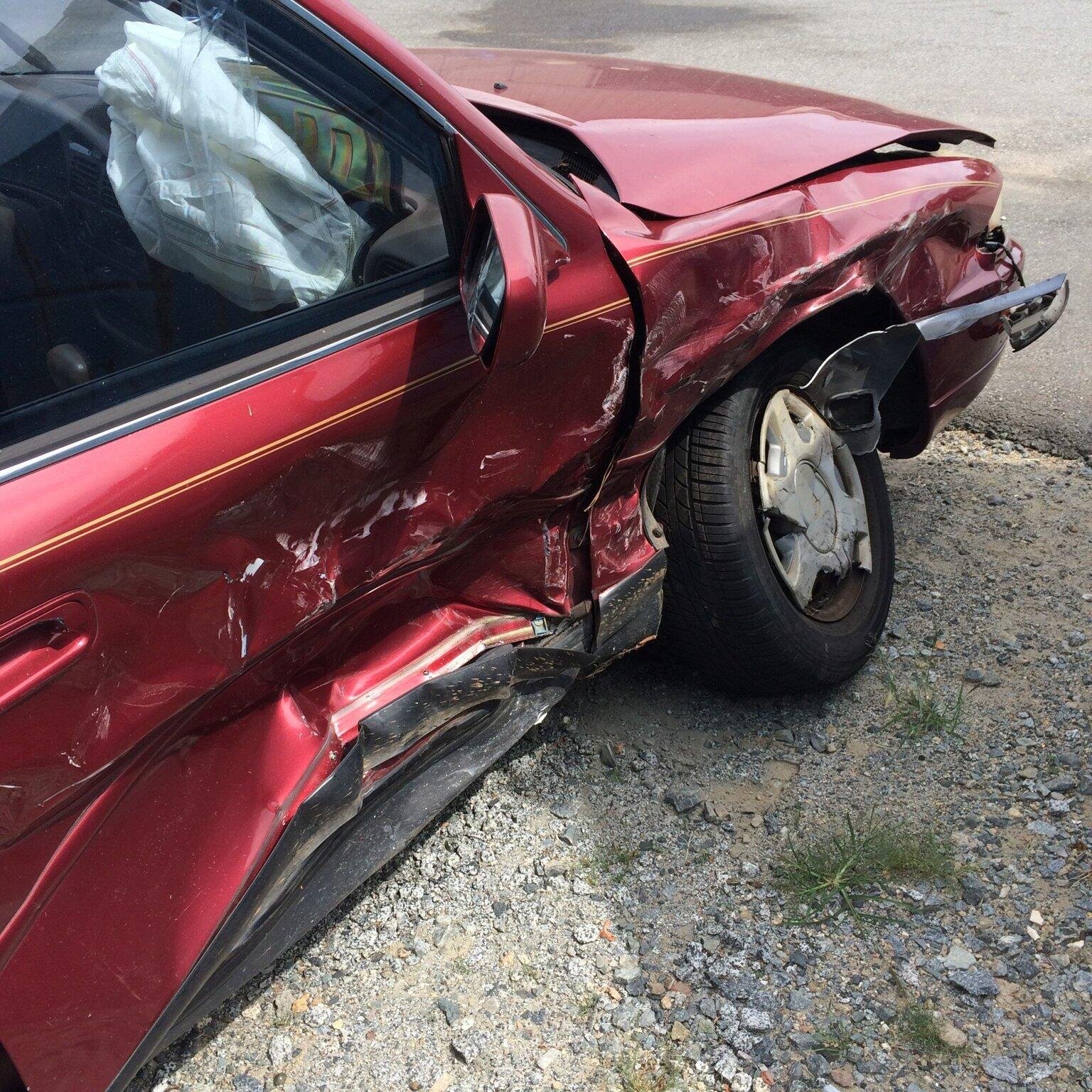
Car accidents can be frightening experiences, and knowing what to do can make a big difference. Whether it’s a small bump or a serious collision, understanding car accident protocols is essential for every driver. You want to ensure everyone involved is safe and that you handle the situation correctly.
From knowing how to respond at the scene to understanding vehicle types involved, this guide will help you navigate the complexities that follow an accident.
Immediate Steps After an Accident
When a car accident happens, staying calm is crucial. Check yourself and others for injuries. If anyone is hurt, call 911 right away.
Even if it seems minor, it’s always better to be cautious. Next, if it is safe to do so, move your vehicle out of traffic. This will prevent further accidents and keep everyone safe.
After ensuring safety, exchange information with the other driver. Note their name, contact details, insurance information, and the vehicle’s make and model. Taking pictures of the scene, including vehicle damage and license plates, can also be helpful later on.
Understanding the Role of Insurance
Your car insurance plays a significant role when it comes to accidents. Most insurance policies cover damages and medical costs after a car accident.
Be sure to file a claim as soon as possible. This will help you recover costs associated with repairs and any medical treatment needed.
Every state has specific laws about insurance, so it’s essential to know what your policy covers and what your state requires. For instance, certain states have no-fault laws, meaning your insurance pays for your injuries regardless of who caused the accident.
Types of Vehicles and Their Implications
Different vehicle types can influence the dynamics of an accident. For example, larger vehicles, like trucks and buses, may cause more damage than smaller cars due to their weight.
Knowing the types of vehicles involved can help you understand potential injury risks and damage severity. If you were driving a compact car while involved with a larger commercial vehicle, the outcome could be significantly different compared to a collision with another compact car.
Legal Considerations After an Accident
After a car accident, there are also legal aspects to keep in mind. If you are involved in an accident, you may need to understand liability. Liability determines who is at fault for the accident, which is crucial for insurance claims and legal proceedings.
If you find yourself facing legal challenges, seeking legal advice could be beneficial. A lawyer can evaluate your case, help protect your rights, and ensure you receive fair compensation. If you want to know more about Georgia car accident laws, it’s essential to consult with experts who can clarify your situation.
Creating a Safety Plan
Having a safety plan is vital for all drivers. Before getting behind the wheel, familiarize yourself with your insurance coverage, know emergency contacts, and have an emergency kit in your car. This kit should include essentials like a first aid kit, flashlight, and basic tools.
Moreover, practicing defensive driving techniques can reduce your chances of getting involved in an accident. Always be aware of your surroundings, keep a safe distance from other vehicles, and follow road rules.
Knowing Accident Protocols
Understanding car accident protocols prepares you to respond efficiently when accidents occur. Always prioritize safety and be proactive in understanding your rights and responsibilities as a driver. By doing so, you can navigate the aftermath of an accident with confidence and clarity.
Check our website for more.

Rao Waqas is a passionate content writer who crafts engaging and insightful articles across diverse topics, helping readers stay informed and inspired.