
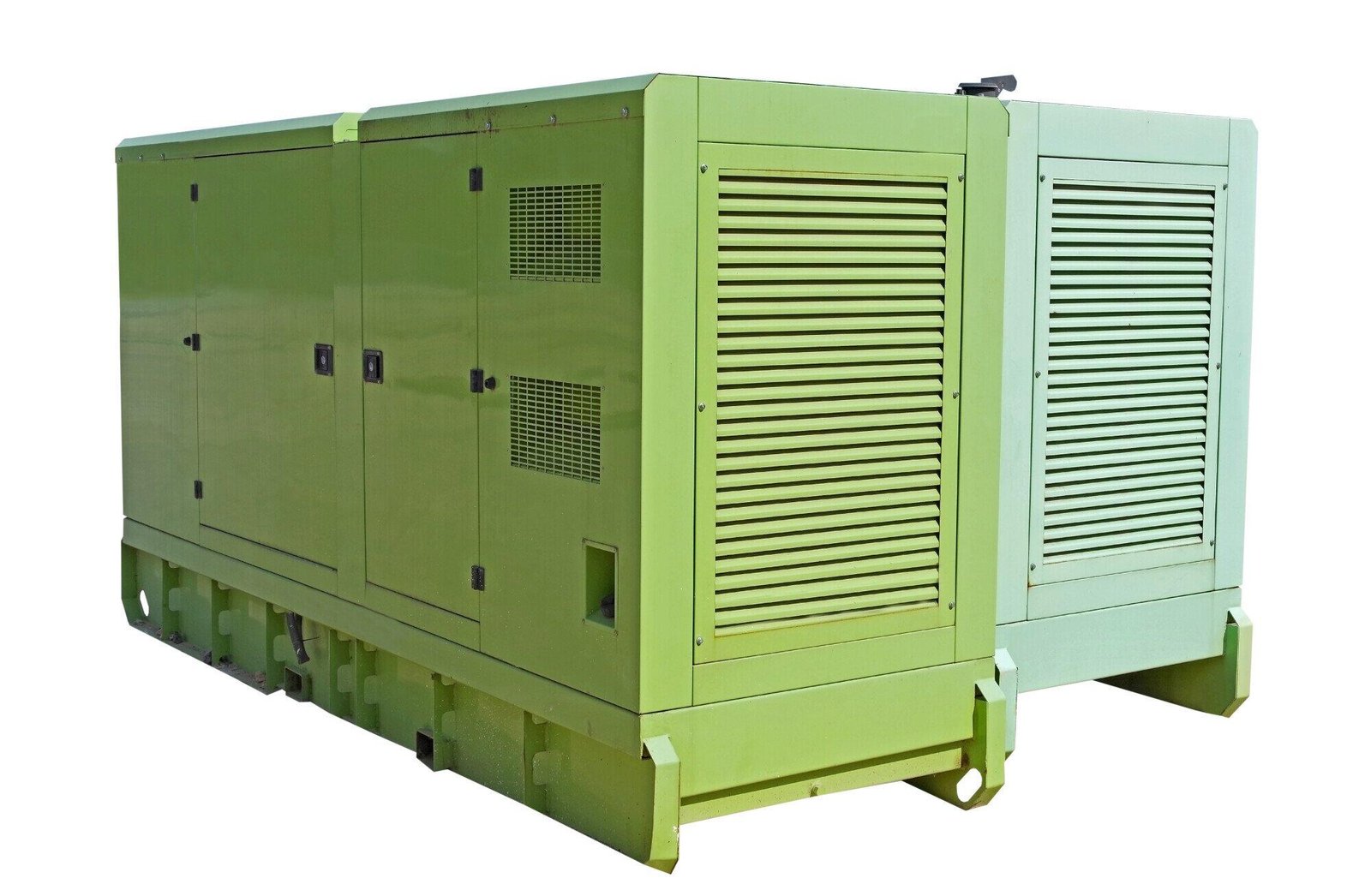
Are you worried about power outages leaving you without electricity? A backup generator can help keep your home or business running. But it is also important to store generator fuel safely.
If you have ever experienced a power outage, you know how stressful and inconvenient it can be. Having a reliable backup generator can make a big difference. However, proper fuel storage is just as important.
In this post, we will look at safe fuel storage solutions for backup generators. We will cover topics such as choosing the right containers and following proper storage guidelines.
Choosing the Right Storage Container
When it comes to deciding on the best option for storing fuel for backup generators, it is important to consider the safety aspect. Safe fuel storage solutions not only ensure the proper storage of fuel but also prevent any potential hazards. Choosing the right storage container is crucial in the process.
A quality container should be made of a durable material, such as steel, and have a secure locking mechanism to prevent unauthorized access. It should also have proper ventilation to prevent the buildup of fumes.
Additionally, the container should be labeled appropriately and stored away from any potential ignition sources. With these precautions in place, you can have peace of mind and a reliable backup power source for any emergencies.
Proper Fuel Storage Techniques
Once you have the right container, employing optimal storage techniques is crucial.
Cool and Dark Location
This means storing it away from sources of heat and direct sunlight. Exposure to heat and sunlight can cause fuel to degrade and lose its effectiveness. By keeping it in a cool and dark location, the fuel will maintain its chemical properties and last longer.
This is especially important for gasoline and diesel, which are commonly used for transportation and require consistent quality. By following this simple technique, we can ensure that our fuel is stored safely and lasts longer.
Regular Inspection
Periodically check your fuel for signs of degradation. Look for any changes in color or the presence of particulates.
If you discover any issues, dispose of the fuel safely and replace it with fresh fuel. Regular inspections serve as an assurance that your stored fuel remains in optimal condition.
Incorporating Stabilizers
These stabilizers, such as fuel additives and stabilizing agents, are designed to prevent the fuel from degrading or becoming contaminated over time. By keeping the fuel stable and clean, the generator is more likely to start and perform at its best when needed.
Additionally, incorporating stabilizers can also save money by reducing the need for frequent fuel replacements. It is crucial to properly research and choose the right stabilizer for your generator and fuel type to ensure optimal performance and safety.
Understanding Fuel Types
Not all fuels are created equal when it comes to storage. Understanding the types of generator fuel available can guide you in choosing the right one for your backup generator.
Gasoline
Gasoline is the most common generator fuel, but it has a relatively short shelf life (3 to 6 months) if not treated with stabilizers. When choosing gasoline, opt for ethanol-free options where possible, as ethanol can absorb moisture and lead to phase separation.
Diesel Fuel
Diesel fuel has a longer shelf life (6 months to a year) compared to gasoline. However, it still needs proper storage to avoid microbial growth and spoilage. Using a biocide can help prevent these issues.
Propane
Propane has an indefinite shelf life when stored correctly. It is an excellent alternative for those who prefer a low-maintenance fuel option. Ensure that your propane tanks are kept upright and away from heat sources.
Safety Precautions During Fuel Storage
Fuel storage comes with inherent risks that need to be mitigated to ensure safety. Here are key precautions to take:
Avoid Open Flames
Store fuel away from any open flames or ignition sources. This includes propane heaters, stoves, or any electrical devices that could spark. Always keep a fire extinguisher nearby as a precaution.
Proper Ventilation
Good ventilation is vital for preventing dangerous gas buildup. Ensure your storage area is well-ventilated-preferably located outside or in a garage with vents to the outside. For those seeking additional guidance, consider consulting a professional for your generator fuel storage needs.
Labeling and Signage
Label all fuel containers with the type of fuel and potential hazards. This is especially important if someone else may need access to them. Proper signage can help prevent mishaps.
Emergency Situations: What to Do
If you ever find yourself in a situation where your generator fuel is compromised-perhaps due to contamination or exceeding its shelf life-it’s vital to act promptly:
Disposal of Old Fuel
Old fuel that has been sitting in storage for too long can become contaminated and potentially dangerous to use in a backup generator. Therefore, it is crucial to dispose of old fuel in a responsible manner, such as taking it to a certified disposal facility.
It is also important to regularly inspect and maintain the storage containers for any cracks or leaks to prevent potential hazards. By following these safe fuel storage practices, backup generators can be reliably fueled and ready for use in case of emergencies.
Refueling after Storage
When it comes to owning a backup generator, it is important to ensure safe fuel storage solutions to guarantee reliable power during emergencies. However, after a period of storage, it is crucial to consider the proper methods of refueling to avoid potential hazards. First and foremost, it is essential to choose the right type of fuel that is recommended for the generator.
Additionally, fuel should be stored in an appropriate container that is well-sealed and away from any potential sources of fire. Before refueling, it is important to let the generator cool down and turn it off to prevent any accidents. Following these safe storage and refueling practices can help ensure the longevity and effectiveness of both the generator and its fuel source.
Ensuring Reliability with Proper Storage
Storing generator fuel safely is crucial for ensuring reliable backup power during emergencies. By implementing these best practices, you can enhance the longevity of your fuel and improve the reliability of your generator. Stay prepared and always prioritize safety when handling and storing fuel.
Looking for more tips and advice? You’re in the right place! Make sure to bookmark our page and come back to check out more interesting articles.

Rao Waqas is a passionate content writer who crafts engaging and insightful articles across diverse topics, helping readers stay informed and inspired.