
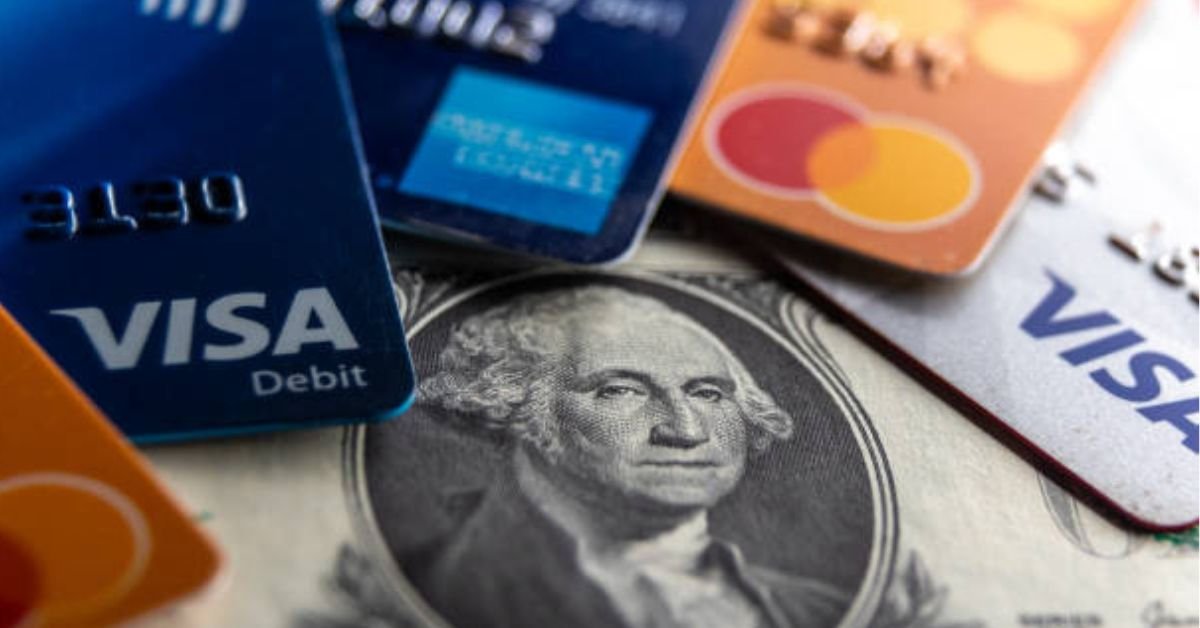
Visa and Mastercard are strikingly similar for most consumers. Both are accepted at millions of locations in over 200 countries. Both offer fraud protection. Both issue credit cards, debit cards, and prepaid cards. The logos are almost interchangeable in day-to-day life.
To understand why that is and where the real differences hide you need to understand what Visa and Mastercard actually do.
What Is a Payment Network? (The Role of Visa and Mastercard)
Here’s a fact that surprises a lot of people: Visa and Mastercard don’t actually lend you money or issue your credit card. They’re payment networks technology companies that build and maintain the infrastructure that moves money between banks and merchants whenever you swipe, tap, or click to buy something.
Think of them like the highway system. They built the roads, set the rules of the road, and keep traffic flowing. But they don’t own the cars (that’s your bank) or the destinations (that’s the merchant).
The Key Player You Might Be Forgetting: Your Card Issuer
This is the most important concept in this entire article: your card issuer the bank or financial institution that gave you the card, like Chase, Bank of America, Wells Fargo, or a local credit union is responsible for nearly everything you actually care about.
Your interest rate (APR)? Set by the issuer. Your credit limit? The issuer. Your rewards program, cashback rates, and sign-up bonuses? All the issuer. Even many of the perks and benefits on your card are determined by who issued it, not by the Visa or Mastercard logo on the front.
So when you’re choosing a card, you’re really choosing a bank product that happens to run on Visa’s or Mastercard’s network.
How a Visa or Mastercard Transaction Works (In Seconds)
Every time you use your card, a remarkably fast process kicks off behind the scenes:
- You tap or swipe your card at a merchant.
- The merchant’s payment processor sends a transaction request through the Visa or Mastercard network.
- The network routes the authorization request to your issuing bank.
- Your bank checks your account, approves or declines, and sends the response back through the network all in about 1-2 seconds.
- Later, funds are settled: your bank sends money to the merchant’s bank, minus processing fees.
Your card details are protected throughout this process using tokenization, a security technology that replaces your actual card number with a unique digital token so your real data is never exposed during a transaction.
4 Key Similarities: Why You Can’t Go Wrong With Either
Before we compare differences, here’s what Visa and Mastercard have in common across virtually all cards:
- Zero Liability Protection: You’re not responsible for unauthorized charges on your card.
- Global Acceptance: Both are accepted at tens of millions of merchants worldwide, making them nearly interchangeable for travel.
- Tokenization & Secure Payments: Both use advanced security technology to protect your transaction data.
- Identity Theft Protection: Both offer resources and tools to help if your information is compromised.
Visa vs. Mastercard: Where They Diverge (Hint: It’s the Perks)
Now for the good stuff. While the day-to-day experience is nearly identical, Visa and Mastercard have developed distinct benefit packages especially at their premium tiers. Visa leans heavily into travel perks, while Mastercard has built its brand around exclusive experiences and lifestyle benefits.
Both networks offer cards in three main tiers. The higher the tier, the richer the benefits and generally, the better your credit needs to be to qualify.

Visa Card Tiers and Their Benefits
Visa Traditional is the entry-level tier, with basic fraud protection and zero liability. It’s on most standard credit and debit cards.
Visa Signature is the mid-tier, available on many popular rewards cards. It adds:
- Emergency card replacement and cash advance
- Roadside dispatch assistance
- Extended warranty protection
- Travel and emergency assistance services
Visa Infinite is the top tier and where Visa really shines for travelers. Benefits typically include:
- Airport lounge access (including Priority Pass membership on select cards)
- Global Entry or TSA PreCheck application fee credit
- Trip cancellation and interruption insurance
- Trip delay reimbursement
- Lost luggage reimbursement
- Travel accident insurance
- Concierge service
- Enhanced ID theft protection and credit monitoring
Mastercard Card Tiers and Their Benefits
Mastercard Standard covers the basics: zero liability, fraud protection, and identity theft alerts.
Mastercard World steps it up with:
- ID theft protection
- Extended warranty benefits
- Travel assistance services
World Elite Mastercard is where Mastercard distinguishes itself from Visa. It focuses on lifestyle perks and exclusive access:
- Priceless Experiences: Access to exclusive events in dining, entertainment, sports, and travel that money can’t normally buy
- Mastercard Concierge: A dedicated service for reservations, travel planning, event tickets, and more
- Hotel benefits and room upgrades at select partners
- Car rental upgrades and special rates
- DoorDash credits and discounts on select cards
- Lyft discounts and complimentary rides
- ShopRunner membership for free 2-day shipping at many retailers
Side-by-Side Comparison: Visa vs. Mastercard
| Feature | Visa (Infinite) | Mastercard (World Elite) |
| Global Acceptance | 200+ countries | 210+ countries |
| Zero Liability | Yes | Yes |
| Fraud Protection | Yes | Yes |
| Tokenization | Yes | Yes |
| Travel Insurance | Strong (trip cancellation, delay, baggage) | Available on select cards |
| Airport Lounge Access | Yes (select cards) | Yes (select cards) |
| Global Entry Credit | Yes (select cards) | Yes (select cards) |
| Concierge Service | Yes | Yes (Mastercard Concierge) |
| Priceless Experiences | No | Yes signature program |
| Dining/Entertainment Perks | Moderate | Strong (Priceless Cities) |
| DoorDash / Lyft Benefits | Varies by card | Yes (World Elite) |
| ID Theft Protection | Yes | Yes |
Note: Specific benefits vary by card and issuer. Always check your cardholder agreement for the most current details.

FAQs: Your Top Questions About Visa and Mastercard, Answered
Is Visa or Mastercard better?
For most people, neither is better they’re nearly identical in day-to-day use. The card issuer (your bank) matters far more than the network logo. At premium tiers, Visa edges ahead for travel insurance, while Mastercard wins for experiential perks.
Are Visa and Mastercard accepted everywhere?
Almost everywhere that accepts cards. Both are accepted at millions of merchants in 200+ countries. In rare cases where only one is accepted, Mastercard has a slight geographic edge in some European and international markets, while Visa leads in total cards issued globally (about 4.3 billion vs. 3.3 billion for Mastercard).
Do Visa or Mastercard charge foreign transaction fees?
The networks themselves don’t charge foreign transaction fees that’s up to your card issuer. Many travel-focused cards waive these fees entirely. Always check your card’s terms before traveling internationally.
Can I use my Visa or Mastercard with Apple Pay or Google Pay?
Yes! Both Visa and Mastercard cards are compatible with Apple Pay, Google Pay, Samsung Pay, and other digital wallets. The tokenization technology both networks use actually makes digital wallet payments even more secure than swiping a physical card.
Does Visa or Mastercard have better travel insurance?
At their top tiers, Visa Infinite tends to offer more comprehensive built-in travel insurance, including trip cancellation, trip delay reimbursement, and lost luggage coverage. Mastercard World Elite cards vary more by issuer for these benefits.
What is Mastercard ‘Priceless Experiences’?
Priceless Experiences is Mastercard’s exclusive program that gives cardholders access to once-in-a-lifetime events think behind-the-scenes culinary experiences with celebrity chefs, early access to concerts, exclusive sporting events, and curated travel packages. It’s one of Mastercard’s biggest differentiators, especially for World Elite cardholders.
Who actually issues Visa and Mastercard cards?
Banks and financial institutions issue them Chase, Citibank, Bank of America, Wells Fargo, Capital One, and thousands of credit unions and community banks worldwide. Visa and Mastercard license their network to these issuers, who then design and offer the actual card products to consumers.
Which One Is Better for You? A Simple Guide
Now that you understand how everything works, here’s how to apply it to your own situation.
Choose a Visa Card If…
- You travel frequently and want comprehensive built-in travel insurance (trip cancellation, delay, lost bags)
- You want airport lounge access or Global Entry credits at the highest tier
- You want the widest possible card selection Visa has slightly more issuers and card options globally
- You prioritize travel protection over lifestyle perks
Choose a Mastercard If…
- You love exclusive dining, entertainment, or sports experiences (Priceless Experiences is genuinely unique)
- You want lifestyle perks like DoorDash credits, Lyft discounts, or ShopRunner membership
- You value a premium concierge service for reservations and event planning
- You travel in Europe or international markets where Mastercard’s acceptance may be slightly broader
The Final Verdict: It’s the Issuer, Not the Logo
Here’s the bottom line: the bank that issues your card will have far more impact on your financial life than whether it says Visa or Mastercard. Focus your energy on comparing interest rates, annual fees, rewards structures, and sign-up bonuses across different card issuers.
Once you’ve found a card with terms you love, the network it runs on is a secondary consideration. Both Visa and Mastercard are excellent, globally accepted networks with robust security and competitive benefits. You really can’t go wrong with either just make sure the issuer is giving you a great deal.
Card benefits and tiers are subject to change. Please check your cardholder agreement for the most current details.
CLICK HERE FOR MORE BLOG POSTS

John Authers is a seasoned and respected writer whose work reflects the tone, clarity, and emotional intelligence that readers value in 2025. His writing blends deep insight with a natural, human voice—making complex ideas feel relatable and engaging. Every piece he crafts feels thoughtful, original, and genuinely worth reading.