
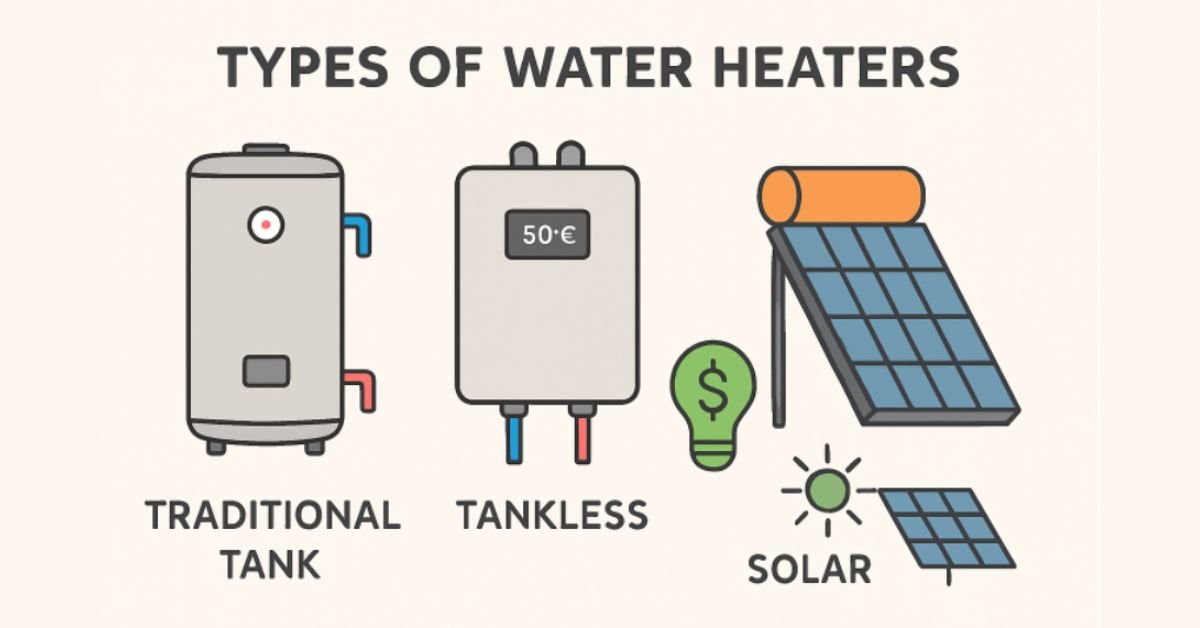
Choosing the right water heating system for your home can unlock significant energy savings while boosting comfort and reliability. Modern advances in water-heating technology offer far more efficient and cost-effective options than ever before. If you’re considering an upgrade, from replacing a dated tank system to installing the latest energy-saving unit, consulting professionals who specialize in water heater repair & installation in Dallas can ensure your system is set up correctly and operates at peak efficiency.
Understanding your options is the first step in balancing long-term savings, upfront costs, and your family’s unique hot water needs. From the growing popularity of heat pumps and tankless water heaters to solar-powered systems and smart controls, learning about these choices will help you make a decision that pays off for years. By making energy-smart choices, you not only lower your utility bills but also reduce your environmental impact and contribute to a more sustainable home and community.
Understanding Water Heater Efficiency
Water heating is typically the second-highest energy expense in most homes, accounting for around 18% of total household energy use according to the U.S. Department of Energy. Older, inefficient water heaters can lead to excessive energy waste and inflated utility bills. Energy-efficient models are engineered to maximize hot water production while minimizing the electricity or fuel consumed. Understanding efficiency ratings, such as Energy Factor (EF) and Uniform Energy Factor (UEF), can help you compare units and find the one best suited to your needs. Consumer Reports water heater guide offers detailed info on efficiency standards and ratings. Installing an energy-efficient water heater can lower your monthly bills and reduce your household’s environmental footprint. Additionally, performing routine maintenance, such as flushing the tank and inspecting the anode rod, helps prolong the system’s life and maintain optimal performance.
Heat Pump Water Heaters
Heat pump water heaters (HPWHs) rank among the most energy-efficient options on the market. Instead of generating heat directly, they use electricity to transfer heat from the surrounding air or ground into the tank, providing the same amount of hot water using up to 60 percent less electricity than conventional electric water heaters. The U.S. Department of Energy notes that homeowners can save up to $600 per year by switching from a standard electric water heater to a heat pump model, while also reducing harmful emissions. HPWHs are ideal for moderate to warm climates and can often be installed in garages or utility rooms.
Tankless Water Heaters
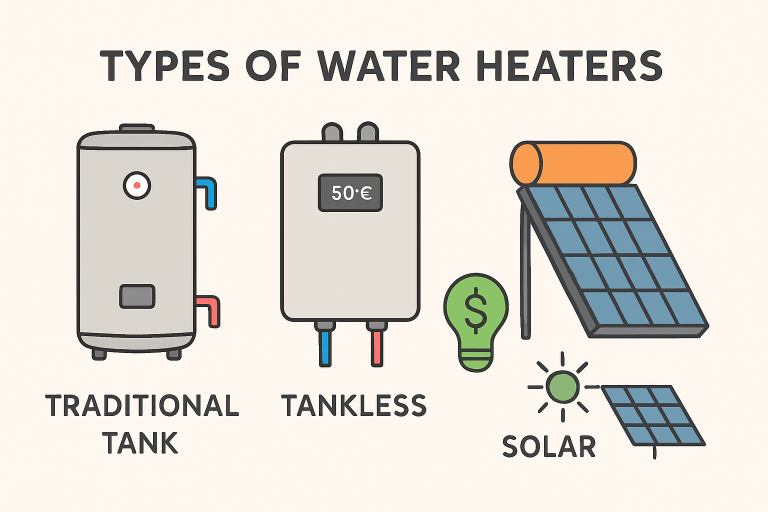
Tanked water heaters constantly heat and reheat water even when not in use, leading to “standby” energy loss. Tankless or on-demand water heaters, by contrast, heat water only as needed. Homes using less than 41 gallons of hot water per day can expect 24–34% greater efficiency with tankless systems compared to traditional storage tanks. These units are compact, have longer expected lifespans, and provide virtually endless hot water. For larger homes or families with higher water use, multiple units can be installed to meet demand without sacrificing efficiency.
Solar Water Heaters
Solar water heaters harness sunlight to heat water, delivering impressive savings over time while reducing reliance on fossil fuels. Although the initial investment can be higher than other options, long-term operational costs are typically much lower. Solar systems usually consist of solar collectors and a storage tank, with designs available for most climates. Many states and local governments offer tax credits or rebates to offset installation costs and accelerate payback. These incentives, combined with consistently lower energy bills, make solar water heating an attractive option for eco-conscious homeowners.
Smart Technology Integration
The newest generation of water heaters now comes equipped with “smart” features that provide greater control and additional energy savings. Through Wi-Fi connectivity and smartphone apps, homeowners can remotely adjust temperature settings, schedule heating times, and monitor usage trends. For instance, programming your water heater to reduce temperature during work hours or vacations can cut energy use by 15 to 25 percent. Smart integration also enables early detection of leaks or system issues, helping prevent costly damage and prolonging equipment life.
Government Incentives and Rebates
Numerous federal, state, and local incentive programs encourage the adoption of high-efficiency water heaters. Recently proposed government standards aim to help families collectively save over $11 billion annually by mandating more efficient water-heating technologies. Take time to research available rebates and incentives in your area to help offset installation costs and expedite return on investment.
Maintenance and Longevity
No matter the system, regular maintenance is key to performance and long life. For tank-type heaters, periodic flushing removes sediment buildup and preserves efficiency. Inspecting or replacing the anode rod can prevent corrosion, while tankless units benefit from regular descaling (especially if you have hard water). Choose models with extended warranties and invest in routine professional service to safeguard your investment. Proper care can add years to your water heater’s lifespan, maximizing your savings over time.
Conclusion: Choosing the Best Water Heater for Your Home
Selecting the right water heating system is more than just a convenience; it is an investment in comfort, energy savings, and long-term sustainability. Whether you opt for a heat pump, tankless, solar-powered, or smart-integrated water heater, understanding your household’s needs and usage patterns is key. By combining energy-efficient technology, proper maintenance, and available government incentives, you can reduce utility bills, minimize environmental impact, and enjoy reliable hot water for years to come. Making an informed choice today ensures a more efficient, cost-effective, and eco-friendly home tomorrow.

Ethan Cole is a passionate blogger at Aldalive.com, sharing fresh ideas and engaging content on lifestyle, technology, and everyday trends. With a love for writing and exploring new topics, Ethan aims to make information simple, useful, and inspiring for readers worldwide.