
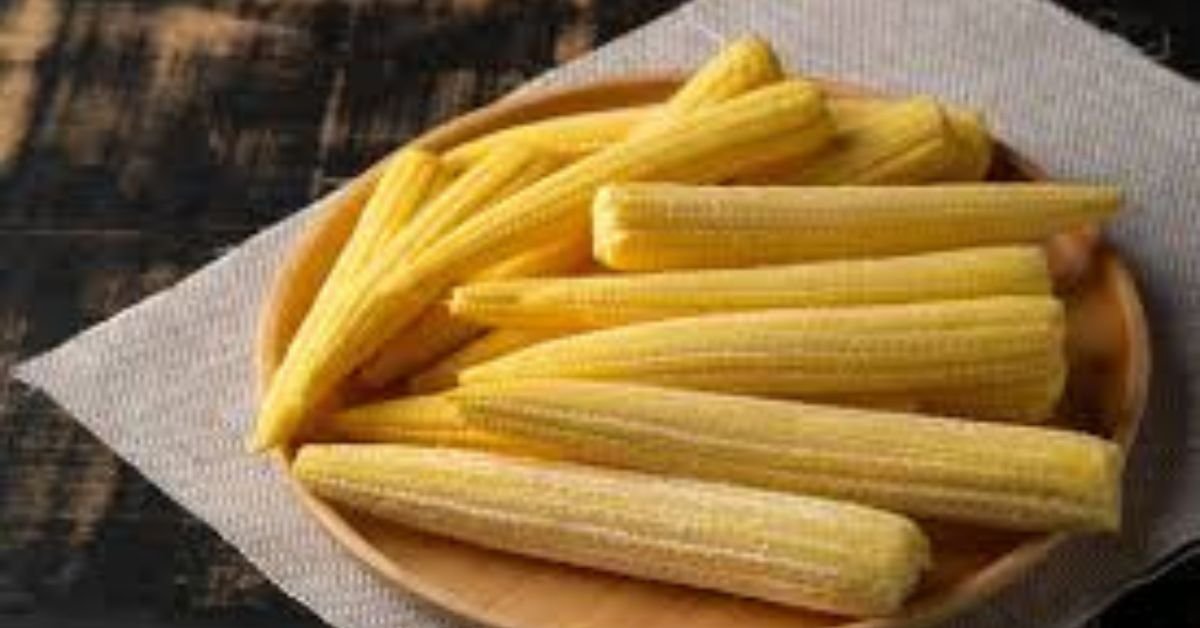
Baby corn, also known as young corn or immature corn, is harvested before it reaches full maturity. It’s a delicacy in many parts of the world, prized for its tender kernels and sweet flavor. But have you ever wondered how it’s processed and made available to consumers? One popular form is canned baby corn, which is widely available in most supermarkets. If you’re planning to stock up, you might be interested in checking the baby corn tin price to ensure you’re getting the best deal.
The Convenience of Canned Baby Corn
Canned baby corn is a convenient option for many home cooks. It’s already cooked and ready to use in a variety of dishes, from stir-fries to salads. But is it as nutritious as fresh baby corn? While there’s some loss of nutrients during the canning process, canned baby corn still retains much of its original goodness. Plus, it’s available year-round, making it a reliable choice for meal planning.
Getting Creative with Baby Corn Recipes
One of the best things about baby corn is its versatility in cooking. You can use it in a multitude of baby corn recipes, from simple sautés to complex curries. For instance, a popular crispy baby corn recipe involves coating baby corn in a mixture of spices and cornstarch, then deep-frying it until golden and crunchy. The result is a delicious snack or appetizer that’s sure to impress.
A Simple yet Delicious Crispy Baby Corn Recipe
To make this tasty snack, you’ll need:
- 1 cup baby corn
- 1/2 cup cornstarch
- 1/4 cup all-purpose flour
- 1/2 teaspoon paprika
- 1/4 teaspoon cayenne pepper (optional)
- 1/2 teaspoon salt
- 1/4 teaspoon black pepper
- 1/4 cup buttermilk
- Vegetable oil for frying
Mix the dry ingredients together, then coat the baby corn in the mixture, dipping it in buttermilk first. Fry until crispy and enjoy!

The Pros and Cons of Using Baby Corn
Like any ingredient, baby corn has its advantages and disadvantages. On the plus side, it’s low in calories and rich in fiber, making it a great addition to a healthy diet. However, some people may be concerned about the potential risks associated with consuming canned goods, such as high sodium content or BPA in the lining of cans.
Weighing the Risks and Benefits
To make an informed decision, it’s essential to consider both the pros and cons. For example, while canned baby corn may contain added salt, you can rinse it under water to reduce the sodium content. On the other hand, fresh baby corn is a great source of essential vitamins and minerals, but it may be more expensive and harder to find.
“I love using baby corn in my stir-fries! It’s so versatile and adds a nice crunch to the dish. I’ve been experimenting with different seasonings and sauces to give it a unique flavor.” – A satisfied home cook
Frequently Asked Questions
Q: Is baby corn a real type of corn?
A: Yes, baby corn is a type of corn that’s harvested before it reaches full maturity. It’s not just a immature version of regular corn, but a specific variety that’s bred for its tender kernels and sweet flavor.
Q: How do I store canned baby corn to maintain its quality?
A: To keep canned baby corn fresh for a longer period, store it in a cool, dry place, away from direct sunlight. Once opened, transfer the contents to an airtight container and refrigerate.
Q: Can I grow my own baby corn at home?
A: Absolutely! Baby corn is relatively easy to grow, and you can harvest it in as little as 60 days. Just make sure to provide it with the right conditions, including full sun and well-draining soil.
Q: Are there any health benefits to consuming baby corn?
A: Yes, baby corn is a good source of fiber, vitamins, and minerals. It’s also low in calories and has been linked to several potential health benefits, including improved digestion and reduced inflammation.
Conclusion
Baby corn, it’s clear that this ingredient is more than just a novelty – it’s a versatile and delicious addition to a variety of dishes. Whether you’re a seasoned chef or a curious home cook, we encourage you to explore more recipes and uses for baby corn.
CLICK HERE FOR MORE BLOG POSTS

John Authers is a seasoned and respected writer whose work reflects the tone, clarity, and emotional intelligence that readers value in 2025. His writing blends deep insight with a natural, human voice—making complex ideas feel relatable and engaging. Every piece he crafts feels thoughtful, original, and genuinely worth reading.