
Have you ever wondered why your home feels uncomfortable while your energy bills keep rising every month even when nothing seems to change? Many homes lose energy through heating and cooling systems that work harder than needed because of age, or small setup issues. Learning how to optimize your HVAC system for maximum energy efficiency can change that story for good.
This guide explains simple upgrades, smart habits, and basic care steps that help cut energy use. By reading on, you will gain clear tips that lower bills, improve comfort, and help your system last longer overall today.
Start With Regular System Care
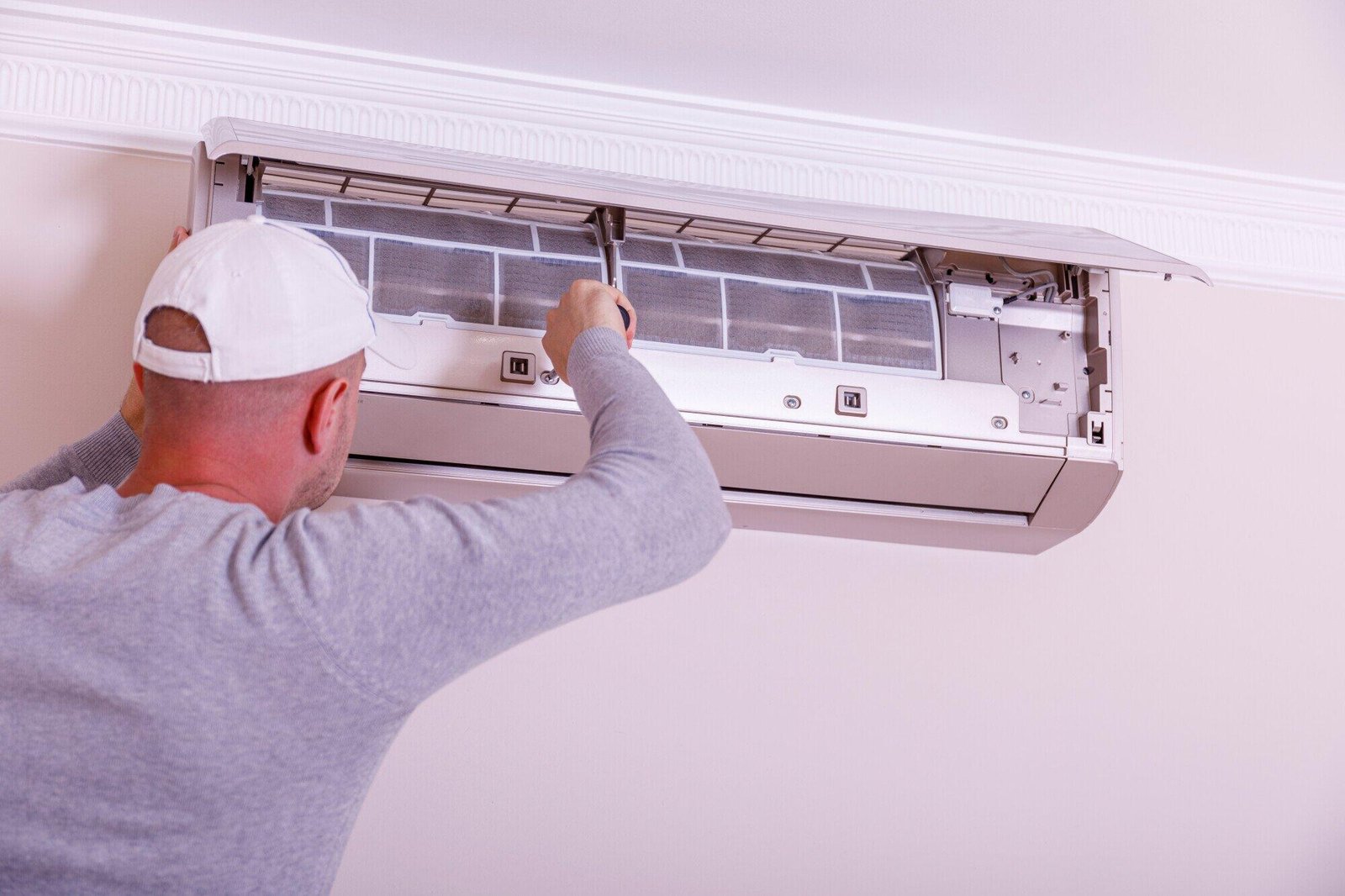
Regular care is one of the easiest ways to save energy and avoid stress. When filters stay clean, air moves better and the system uses less power to heat or cool rooms.
A yearly check by a trained expert, such as an HVAC service in Pennsylvania and Delaware, can find small problems early and keep parts working at the right level. This simple habit also helps the system last longer and keeps the home comfortable through every season.
Seal Leaks And Improve Airflow
Leaks in ducts and poor airflow waste energy without being easy to see. Sealing gaps helps warm or cool air reach each room instead of escaping into walls or attics.
Good airflow also means rooms feel even, so the system does not run longer than needed to stay comfortable. Over time, this balance lowers energy bills and helps the system work with less strain.
Use Smart Controls And Settings
Smart controls help match heating and cooling to your daily life. A simple schedule can lower energy use when no one is home and raise comfort when people return.
Small setting changes over time protect the system and keep energy use steady without hurting comfort. They also give homeowners more control over their bills and make the home feel more predictable and cozy.
Upgrade When It Makes Sense
Older systems often use more power than newer models built to save energy. Planning upgrades at the right time can bring strong savings and quieter operation.
Even small updates like better insulation or efficient parts help the system work less while keeping the home pleasant. These improvements also reduce the risk of sudden breakdowns and keep daily routines running smoothly.
Balance Comfort With Daily Habits
Daily habits play a strong role in how hard a system must work. Closing doors and windows during heating or cooling keeps air where it belongs and reduces strain.
Sunlight can warm rooms in winter and increase heat in summer, so curtains and shades should be used with care. When families stay aware of these habits, the system runs fewer cycles, saves energy, and keeps comfort steady throughout the day.
Teaching kids simple habits also builds awareness and helps everyone share responsibility for comfort and energy savings at home. Over weeks and months, this awareness leads to calmer systems and lower bills for everyone involved at home.
Turn Smart Changes Into Lasting Comfort
Optimizing your system is not about big changes made all at once but about care and smart choices. Simple steps like clean filters, sealed ducts, and smart controls reduce waste and improve comfort each day. Over time, these actions lower costs, protect equipment, and create a healthier indoor space for everyone.
The ideas shared here give beginners a clear path toward better performance and comfort at home. Did this guide help you? Browse the rest of this section for more advice on a variety of topics.

Rao Waqas is a passionate content writer who crafts engaging and insightful articles across diverse topics, helping readers stay informed and inspired.