
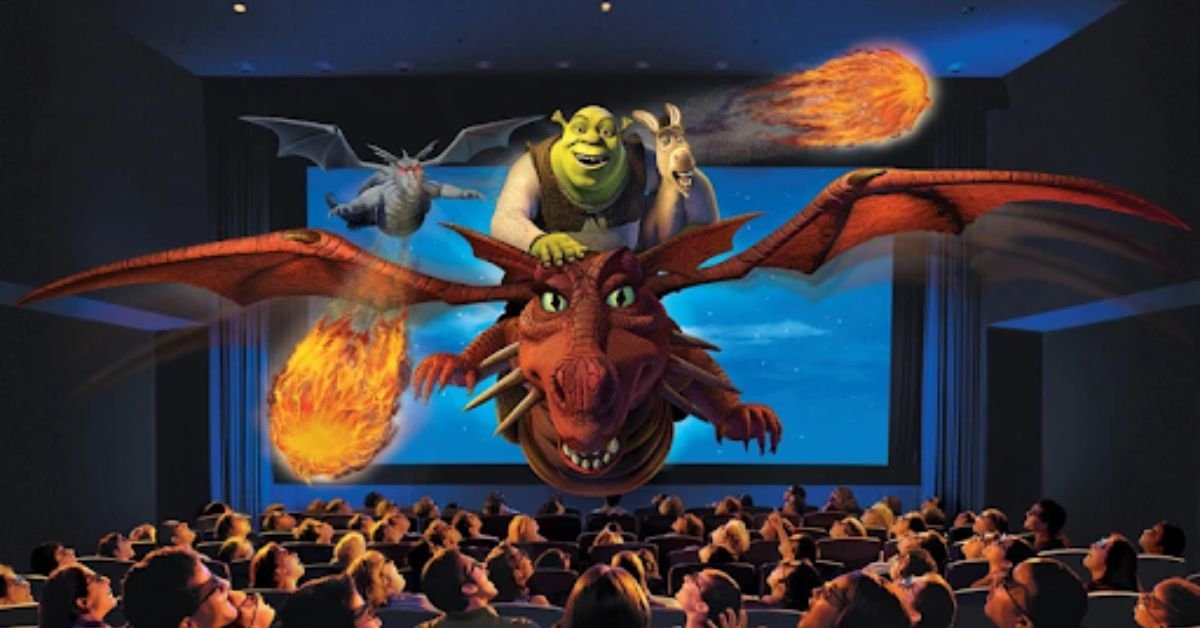
The way people experience movies has evolved far beyond traditional screens and surround sound. Today, audiences want to feel part of the action, not just watch it. This demand has led to the rise of immersive entertainment formats such as the 4d cinema theater and the advanced 7D cinema experience. These cutting-edge technologies combine visual storytelling with physical sensations, transforming movie-watching into a thrilling, multi-sensory adventure.
What Is a 4D Cinema Theater?
A 4D cinema theater enhances standard 3D movies by adding physical effects synchronized with on-screen action. While 3D focuses on visual depth, 4D introduces motion seats and environmental effects such as wind, water sprays, vibrations, fog, scents, and lighting. These elements are carefully timed to match the scenes, making viewers feel as though they are inside the movie.
For example, during a chase scene, seats may shake and tilt, while wind effects create the sensation of speed. When it rains on screen, gentle water sprays add realism, turning a simple viewing into an unforgettable experience.
Understanding the Concept of 7D Cinema
The 7D cinema takes immersion even further by combining 3D visuals, 4D physical effects, and interactive elements. In addition to motion and environmental sensations, 7D cinemas often include motion tracking and interactive gameplay. Viewers may use handheld controllers or sensors to interact with the film, shooting targets or influencing outcomes.
This level of engagement makes 7d cinema particularly popular in entertainment centers, malls, theme parks, and family attractions. Instead of being passive viewers, audiences become active participants in the story.
How 4D and 7D Cinema Technologies Work
Both the 4D cinema theater and 7D cinema rely on advanced hardware and software integration. Motion platforms beneath seats move in multiple directions, simulating real-world motion such as flying, falling, or racing. Environmental effect generators control wind, mist, heat, and scent, while synchronized lighting enhances dramatic moments.
In 7D setups, interactive systems track user movements and inputs, allowing real-time responses within the movie. Powerful processors ensure all effects remain perfectly synchronized, creating a smooth and believable experience without delays or discomfort.
The Immersive Power of Multi-Sensory Effects
What truly sets these cinemas apart is their ability to engage multiple senses at once. Visuals captivate the eyes, surround sound immerses the ears, motion seats engage the body, and environmental effects stimulate touch and smell. This full sensory involvement keeps audiences emotionally connected to the content.
A 4D cinema theater excels at delivering cinematic realism, while 7D cinema adds an extra layer of excitement through interaction. Together, they redefine what it means to watch a movie.
Popular Applications of 4D and 7D Cinema
The use of 4D cinema theater and 7D cinema extends beyond traditional movie screenings. Theme parks use these technologies to enhance rides and attractions. Museums and educational centers use them to create interactive learning experiences, allowing visitors to explore history, science, or nature in an engaging way.
Businesses also leverage immersive cinemas for marketing and brand promotion. A custom 7D experience can tell a brand story in a memorable format, making it a powerful tool for events and exhibitions.
Why Audiences Love 4D and 7D Cinema Experiences
The growing popularity of immersive cinemas is driven by the desire for unique entertainment. Audiences are drawn to experiences that cannot be replicated at home. A 4D cinema theater offers excitement, realism, and novelty, while 7D cinema provides interactivity and replay value.
Families enjoy these cinemas because they appeal to all age groups. Adjustable intensity levels make the experience suitable for children, while thrilling effects keep adults engaged. This versatility makes immersive cinemas a strong attraction in entertainment venues.
Advantages Over Traditional Movie Theaters
Compared to standard cinemas, immersive theaters offer several advantages. They create stronger emotional impact, higher engagement, and longer-lasting memories. A 4D cinema theater transforms storytelling into a physical experience, while 7D cinema turns it into an interactive adventure.
From a business perspective, these cinemas also offer higher revenue potential. Premium pricing, repeat visits, and customizable content make them a profitable addition to entertainment spaces.
The Future of Immersive Cinema Technology
As technology continues to advance, the future of 4D cinema theater and 7D cinema looks promising. Improvements in motion precision, haptic feedback, and visual resolution will further enhance realism. Artificial intelligence may allow experiences to adapt in real time based on audience reactions.
Virtual reality and augmented reality could also integrate with immersive cinemas, creating hybrid experiences that blur the line between movies and interactive games. These innovations will continue to push the boundaries of entertainment.
Choosing the Right Immersive Cinema Experience
When selecting between a 4D cinema theater and 7D cinema, the choice depends on the desired level of interaction. For those seeking cinematic realism with physical effects, 4D is an excellent option. For audiences who enjoy active participation and gaming-style engagement, 7D cinema delivers unmatched excitement.
Both formats offer unforgettable experiences that go far beyond traditional movie-watching.
Conclusion
The 4D cinema theater and advanced 7D cinema represent the future of immersive entertainment. By combining stunning visuals, synchronized motion, environmental effects, and interactivity, these cinemas redefine how stories are experienced. They engage the senses, capture attention, and create lasting memories for audiences of all ages.
As demand for experiential entertainment continues to grow, immersive cinemas will play a central role in shaping the future of movies and attractions. Whether you choose the cinematic realism of 4D or the interactive thrill of 7D cinema, one thing is certain: the way we experience films will never be the same again.
CLICK HERE FOR MORE BLOG POSTS

Ethan Cole is a passionate blogger at Aldalive.com, sharing fresh ideas and engaging content on lifestyle, technology, and everyday trends. With a love for writing and exploring new topics, Ethan aims to make information simple, useful, and inspiring for readers worldwide.