
Have you ever wondered how tiny computer chips are made? These chips are inside phones, cars, and robots. They help machines think and work fast.
The world of semiconductors is full of cool science. Engineers keep finding new ways to make chips better. They make them faster, smaller, and smarter.
This story explores the exciting ideas that shape tomorrow’s tech world. What amazing things will chips do next? Let’s find out how these tiny parts will change our future!
What Is a Semiconductor and How Does It Work?
A semiconductor is a special material that helps electricity flow just right. It is not a full conductor like metal. It is not an insulator like rubber. It sits in the middle, and that makes it perfect for electronics.
Engineers use silicon and other materials to build chips. Semiconductors are tiny, but they do huge jobs. They control power, memory, and data in many devices.
In your phone, tablet, or game machine, semiconductors help everything work. They are like the brain and heart of electronics.
Without them, many things we use every day would not exist. These materials help make smart machines and fast computers.
How Chips Are Made: From Sand to Smart Parts
Making a chip starts with pure silicon from sand. The silicon gets melted and formed into a solid cylinder. This solid piece is cut into thin discs called wafers.
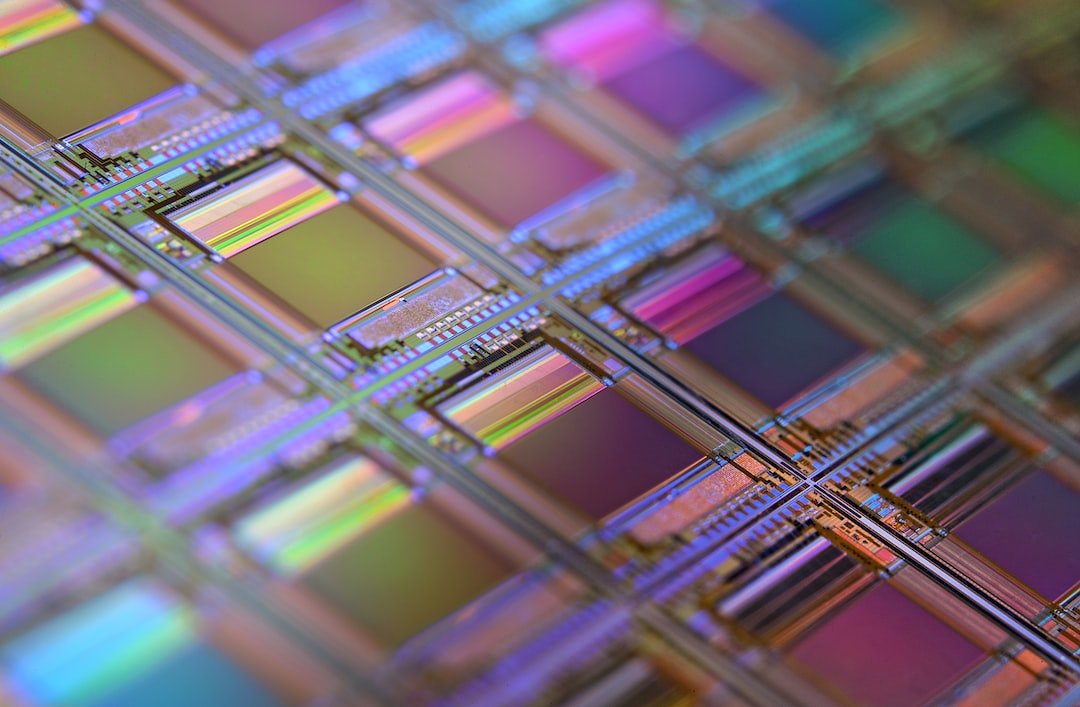
Wafers are cleaned, polished, and prepared for many steps. They get tiny patterns printed on them using light and special chemicals.
These patterns help build tiny circuits and parts. Each layer adds more detail and function. After many steps, the wafer becomes many chips.
The small pieces are cut apart and tested. Only good ones are used in real devices. This long process makes machines work faster and better.
Tiny Patterns That Change the World
One important idea in chip making is patterned silicon wafers. These patterned silicon wafers guide where circuits go. The patterns help place tiny parts like switches and wires.
Engineers make patterns with light called lithography. Smaller patterns mean more parts fit on a chip. This makes chips faster and more powerful.
Patterned wafers also help chips use less energy and run cooler. New machines can print patterns so tiny you can hardly see them.
This means computers, tablets, and smart toys get better every year. These patterns are central to modern technology.
New Chip Designs for Faster Computers
Chip designers always try to make things better. New structures like FinFETs help chips work faster and save power. These designs use shapes like little fins on silicon.
This helps electric signals travel quickly. Other new ideas stack parts in 3D to fit more on one chip. These smart structures are key to future computers and AI.
Scientists also use advanced machines that can place parts with great precision. These new designs make phones and robots smarter.
Kids might even see chips that learn like computers in old science stories. Better chip design means bigger leaps for fun, learning, and invention.
Smart Tools and Robots in Chip Factories
In chip factories, robots and computers help build tiny parts. These smart tools use machines that work without mistakes. They help print patterns, place materials, and check chips for problems.
Computers can watch and fix errors fast. Robots can move things safely inside clean rooms. These robots help humans do more creative work.
They make sure chips are made fast and with fewer mistakes. Smart tools also check energy use and quality.
This helps chips last longer and work better. With these smart machines, chip factories become amazing places like science labs.
Chips for Smart Cars, Phones, and Robots
Semiconductors are in many new machines we love. They help self-driving cars sense roads. They make phones fast and battery smart.
They give power to robots, drones, and smart homes. Cars, sensors, and smart cities use chips to talk to each other. AI systems need special chips to learn and make choices.
Chips also help keep data safe and fast. Soon, kids might have robots that listen and help with homework.
All these smart machines need tiny brains inside them, powered by chips. That’s why new semiconductor ideas are so important for the future.
Why Energy and Size Matter in New Chips
Future chips must save power and space. Smaller chips can go into tiny devices like wearables and smart glasses. Chips that use less energy help batteries last longer.
New ways to cool chips keep them working well without overheating. Workshops study how to manage heat and energy in semiconductors.
Lower energy use also helps keep Earth cleaner. Semiconductors for electric vehicles and solar panels must be energy-smart too.
These changes help families, schools, and cities use less power and save money. Better chips mean greener tech and smarter tools.
What Will Future Chips Do for Us?
Future chips might help computers think like humans. They could help doctors see inside the body in new ways.
Chips might let you play games in virtual worlds that feel real. They could help farms grow food with smart robots and sensors.
Smart cities could use chips to save water and energy. Chips that learn with AI might help you study and explore space.
Everywhere we look, new tech needs smarter chips. These devices will help people learn, create, and solve big problems. The future of chips is bright and full of possibilities.
New chip ideas will help make tools easier for everyone to use. These advances will also help kids discover new ways to learn and grow.
Learn Advanced Semiconductor Innovations Shaping Tomorrow’s Tech
Semiconductors and chip innovations are shaping the world we live in. They are inside phones, cars, toys, and computers.
Engineers and scientists find new ways to make them faster, smaller, and smarter every year. These tiny inventions help make big changes in health, learning, and play.
Kids today might grow up to build amazing machines using semiconductors. Tomorrow’s tech will be powered by smarter chips and creative minds. The future is in your hands and in these tiny wonders!
Did you find this article helpful? If so, check out the rest of our site for more informative content.

Rao Waqas is a passionate content writer who crafts engaging and insightful articles across diverse topics, helping readers stay informed and inspired.