
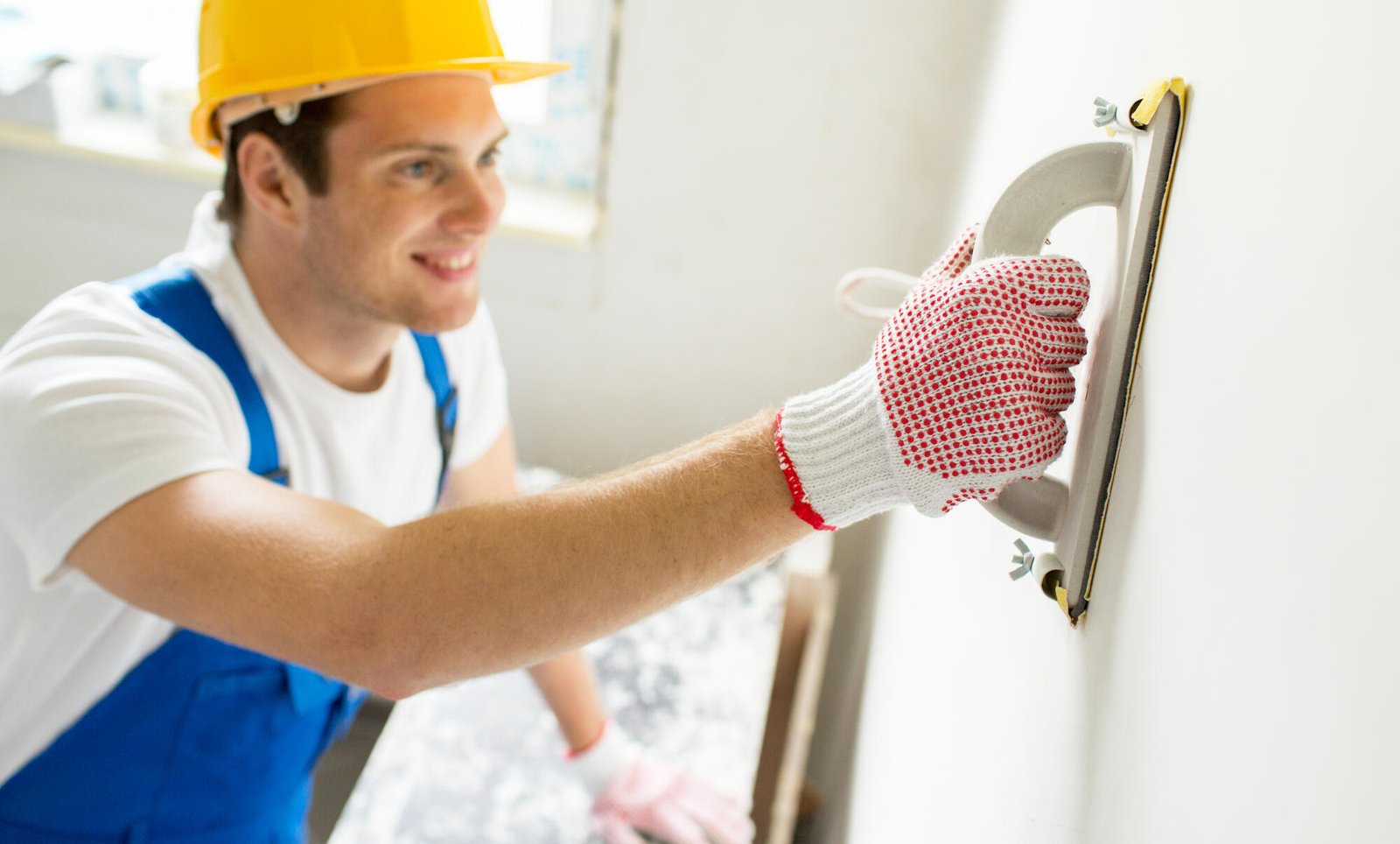
What makes a simple plaster job turn out clean, smooth, and polished? Why do some projects drag on while others look sharp and finished? Many DIY tasks fail because plaster hardens before proper shaping can be done.
Quick setting often leads to stress, mistakes, and waste. A small change in materials can make a major difference in results. Using the right product brings control back into the hands of the maker.
This guide shows how that product helps create cleaner work with far less effort. Read on!
Understanding What a Plaster Retarder Does
The natural chemical reaction that makes plaster harden is slowed down by a plaster retarder. For shaping edges and smoothing surfaces, this slower pace gives you more room.
Also, it keeps beginners from being in a hurry, which can lead to uneven results. When the workable time is longer, tools can glide along without dragging. Overall, it makes every step of the project calmer and steadier.
Why Longer Work Time Matters for DIY Tasks
Extra time means fewer errors caused by hurried movements. Surfaces can be shaped with confidence rather than panic. Details like corners and decorative lines turn out neater when there is time to adjust them.
The ability to extend plaster setting times greatly improves control during application. As a result, the final look appears more thoughtful and balanced.
Improving Accuracy for More Professional Results
Even a small delay in hardening helps make sure the layout is correct. They stay clear long enough for steady hands to follow. Each pass can make the surface better because the tools can be carefully lined up.
A slower pace also cuts down on scraping and dents that happen by accident. Together, these benefits make for a result that looks like it was well thought out.
Reducing Waste and Keeping Materials Manageable
For batches that stiffen too quickly, rushing often means throwing them away. Plaster retarder keeps the mix soft for as long as you need it.
Using smooth, workable material makes it less likely that lumps will form in the middle of the application. That means less cleaning up and fewer breaks to make new batches. Not throwing away as much makes the project feel much more organized.
Creating Smoother Finishes with Simple Techniques
When plaster stays workable, it responds better to gentle smoothing. Broad strokes become cleaner because the material is not fighting the tool. Shallow imperfections can be fixed before they become permanent.
Extra time also helps blend edges where two areas meet. These small advantages add up to a surface that looks evenly crafted.
Helpful Tips for Using Plaster Retarder Safely
Always mix the retarder according to the product instructions. Too much added can weaken the plaster, so balance is key. Combine the retarder evenly to avoid soft spots that dry at different speeds.
Keep tools clean so the mixture stays consistent throughout use. Store remaining product in a dry area to preserve its quality.
Using plaster retarder to maximize efficiency in DIY projects
Using a plaster retarder makes hands-on work steadier, cleaner, and far more satisfying. Its ability to slow the setting process allows better shaping, smoother strokes, and fewer rushed decisions.
Many common problems disappear because there is ample time to guide each step carefully. Waste is reduced, accuracy improves, and the final finish gains a refined look.
With simple planning and proper mixing, even beginners can achieve reliable results. This time-tested aid remains one of the easiest ways to improve everyday home tasks.
Did you like this guide? Great! Please browse our website for more!

Rao Waqas is a passionate content writer who crafts engaging and insightful articles across diverse topics, helping readers stay informed and inspired.