

Table of Contents
- Introduction
- Defining ‘Low Mileage’
- Benefits of Low-Mileage Vehicles
- Potential Pitfalls of Low-Mileage Cars
- Maintenance History Over Mileage
- Impact on Resale Value
- Insurance Considerations
- Evaluating Low-Mileage Vehicles
- Conclusion
“Low mileage” is one of the first things many used car shoppers look for. On the surface, fewer miles on the odometer often signal less wear and longer life. But does “low mileage” always tell the whole story? Understanding what low mileage truly means can help buyers identify value, assess risks, and feel confident in their purchase decisions—especially for those searching for used SUVs for sale in Tulsa with low mileage.
The truth is, while low mileage is a positive indicator, it’s not a guarantee of a vehicle’s condition or reliability. Every used car comes with its own history, and mileage is just a small part of that overall narrative. Whether you’re shopping for a family car or planning your next adventure, understanding what counts as “low mileage”—and the considerations that come with it—will help you avoid disappointment down the road.
Car buyers often find themselves comparing mileage numbers, trying to decode what’s normal, what’s low, and what it actually means for the year, model, and type of vehicle. These conversations can be particularly important in markets with high demand for certain vehicles—such as the growing selection of used SUVs in Tulsa—making it even more important to know how to evaluate these numbers in context.
This guide explores what “low mileage” means in the used car market, discusses both the benefits and risks, and outlines how to make the most informed decision before buying your next vehicle.
Defining ‘Low Mileage’
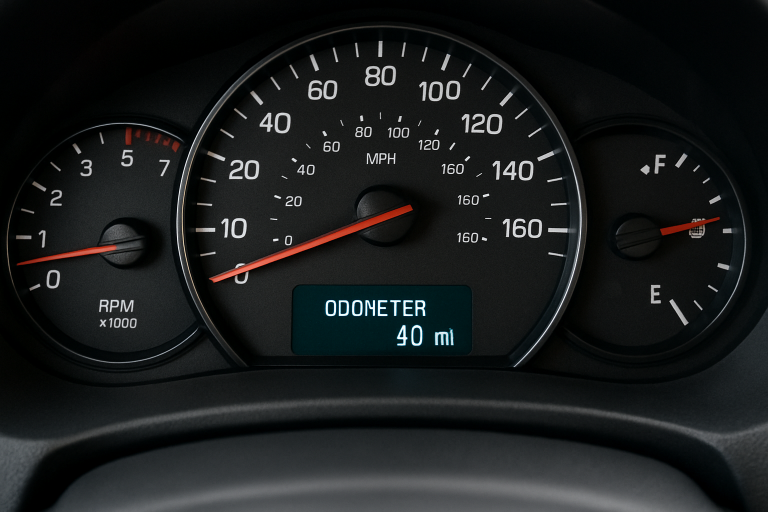
There is no fixed threshold for what officially counts as “low mileage.” However, the average American driver puts about 12,000 miles on a vehicle annually, according to the U.S. Department of Transportation. As a general rule, if a car’s mileage is below that 12,000-per-year mark, it’s considered low for its age. For example, a five-year-old car with less than 60,000 miles is likely to be labeled “low mileage,” but slight regional differences and individual-use patterns may shift the threshold. Other factors—such as whether the car was driven on city or highway roads—can have just as much impact on overall wear as the raw mileage does. That’s why taking a holistic view of a car’s condition is so vital.
Benefits of Low-Mileage Vehicles
- Less Wear and Tear: Fewer miles often mean less stress on vital engine, suspension, and transmission components. This can translate into lower repair costs and longer vehicle lifespan.
- Warranty Coverage: Low-mileage vehicles may still be covered by the manufacturer’s original warranty, reducing your risk of unexpected expenses.
- Higher Resale Value: Cars with mileage well below average tend to retain more value, making it easier to sell or trade in when you’re ready for a change.
Potential Pitfalls of Low-Mileage Cars
- Maintenance Neglect: Cars with low mileage but incomplete maintenance can develop serious issues, like sludge buildup from infrequent oil changes or the breakdown of rubber and gasket materials.
- Long Periods of Inactivity: Vehicles left sitting for months or even years can face complications such as dry-rotted tires, weak batteries, and fluid separation, all of which may require costly fixes after purchase.
It’s crucial to consider not just how little a car has been driven, but how well it’s been cared for, especially if it’s been sitting idle for long stretches.
Maintenance History Over Mileage
Automotive experts often emphasize that a complete, documented maintenance history is a more accurate predictor of future reliability than mileage alone. Every car, especially newer models, depends on regular oil changes, fluid flushes, and timely replacements of filters, belts, and other consumable parts. A car with slightly above-average mileage but an impeccable service log may be a smarter investment than a garage queen with an unknown history.
When shopping for a used vehicle, always ask to see service records. Consistent maintenance is a sign that the previous owner took care of the vehicle and proactively addressed issues before they could become serious problems.
Impact on Resale Value
Odometer readings continue to play a crucial role in determining a vehicle’s resale value. Vehicles with lower mileage command a premium in the used car market due to the perception of a longer remaining life and fewer hidden mechanical issues. However, factors such as accident history, paint condition, and interior cleanliness may also impact the vehicle’s true value. According to Edmunds, documenting repairs and regular service can actually boost the resale value, even if the mileage is slightly higher than average.
Insurance Considerations
Many insurers use annual mileage to assess risk. Drivers who travel fewer miles are generally less likely to file an accident claim, so insurance rates for low-mileage vehicles can be lower. Some companies even offer pay-per-mile or low-mileage discounts. Before finalizing a purchase, it’s wise to compare insurance quotes and see if premium reductions are available in your area.
Evaluating Low-Mileage Vehicles
- Review Maintenance Records: Request detailed repair and maintenance logs that document regular service intervals and any major repairs.
- Inspect for Inactivity Issues: Look for signs that the vehicle was parked for extended periods, such as uneven tire wear, old tires, brittle rubber seals, or a weak battery.
- Assess Overall Condition: Don’t let a low odometer distract you from checking for rust, leaks, faded paint, upholstery damage, or trouble signs under the hood.
If possible, consider hiring an independent mechanic to conduct a pre-purchase inspection. This added step can reveal hidden issues and offer peace of mind before making a significant investment.
Conclusion
While low mileage remains an attractive selling point, remember it’s only a piece of the puzzle. A smart used car purchase comes down to a combination of reasonable mileage, maintenance history, and clear signs of careful ownership. Taking a holistic approach will help you identify genuine value, avoid headaches, and select a vehicle that meets your needs for years to come.

Ethan Harper is a tech enthusiast and AI researcher who explores the latest in artificial intelligence, machine learning, and emerging technologies. With a passion for breaking down complex concepts, Ethan helps readers stay ahead in the fast-paced world of tech.