
Urban trees play an essential role in shaping the quality of life within city environments. From improving air quality to boosting aesthetic appeal and providing havens for wildlife, well-maintained trees are pillars of community well-being. For homeowners and city residents alike, adopting proper tree care ensures lasting benefits for generations. By relying on expert guidance from Fielding Tree Care, urban spaces can be transformed into vibrant, resilient landscapes that withstand the challenges of modern cities. The importance of nurturing trees cannot be overstated. Trees act as natural air filters, cool city streets, and provide much-needed shade, making urban life more comfortable and sustainable. Without dedicated care, however, trees can struggle in compacted, polluted environments, risking both their survival and the invaluable ecological services they provide. Supporting robust tree health is not solely the responsibility of local authorities; community involvement is crucial to creating flourishing urban forests that benefit everyone. Effective urban tree care goes far beyond occasional planting and watering. It involves a combination of best practices, use of emerging technologies, adoption of sustainable methods, and committed community engagement. Homeowners, businesses, and municipal leaders all play vital roles. By prioritizing comprehensive tree care, cities can build resilient ecosystems that endure environmental challenges and enhance residents’ quality of life year after year. For a deep dive into the psychological and ecological benefits of urban trees, consult resources from organizations like the Arbor Day Foundation, which offers extensive research and actionable guides.
Importance of Urban Trees
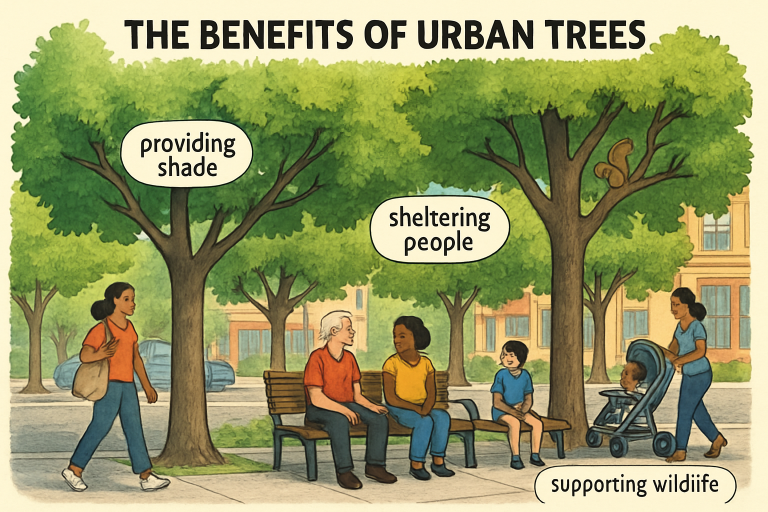
Urban trees directly impact public health and city sustainability by absorbing harmful pollutants, such as nitrogen dioxide and particulate matter, while releasing life-sustaining oxygen. Their shaded canopies combat the urban heat island effect, making neighborhoods more livable, especially during hot summer months. Beyond environmental value, green spaces anchored by mature trees foster community gathering and offer residents places of peace and recreation. Increasing evidence also points to the positive effects trees have on mental health, reducing stress and promoting well-being among city dwellers.
Common Challenges in Urban Tree Care
- Soil Compaction: In bustling urban settings, heavy vehicle and foot traffic can compact soil, making it difficult for roots to expand and access water or nutrients. This often leads to weaker, less stable trees vulnerable to disease and decline.
- Pest Infestations: Urban trees are commonly attacked by pests like borers, aphids, and leafminers. Without quick identification and control methods, infestations can rapidly escalate, putting entire blocks of trees at risk.
- Limited Growing Space: Constrained spaces along sidewalks or in parking strips challenge root development and overall tree health. Insufficient soil volume may result in stunted, unstable, or drought-prone trees.
Best Practices for Maintaining Urban Trees
- Regular Pruning: Scheduled pruning removes dead or overcrowded branches, encourages robust new growth, and minimizes the risk of property damage during storms.
- Consistent Watering: Urban trees often require supplemental watering, particularly during dry spells. Deep, infrequent watering supports deep root growth and resilience.
- Mulching: Applying an organic mulch layer around the tree base insulates roots against temperature fluctuations, retains soil moisture, and suppresses weeds.
- Soil Aeration: Periodic aeration alleviates compaction, enhancing oxygen and nutrient uptake by the roots, which is crucial for long-term health.
Sustainable Tree Care Practices
Sustainable urban forestry prioritizes ecosystem balance and long-term vitality. Integrated Pest Management (IPM) is a cornerstone of sustainable care, combining biological, cultural, and mechanical pest control strategies while minimizing chemical inputs and protecting pollinators. Regular addition of organic compost and natural fertilizers nurtures robust soil health, fueling resilient tree growth while reducing the need for synthetic additives. For more on IPM, refer to the EPA’s guide to Integrated Pest Management, which outlines proven methods for environmentally sound pest management.
Community Involvement in Urban Forestry
Communities are at the heart of successful urban forestry initiatives. Local events such as tree-planting days, pruning workshops, and green space cleanups cultivate civic pride and educate citizens about proper tree care. Organizations such as The Greening of Detroit showcase the transformative power of resident participation in reforesting urban areas, linking neighbors and improving the quality of life for all.
Technological Advancements in Tree Care
- Remote Sensing Technology: Advanced tools such as LiDAR and multispectral imagery enable urban foresters to assess tree health, canopy density, and storm damage quickly and remotely. This enables data-driven management and targeted citywide interventions.
- Mobile Health Monitoring: Devices that track soil conditions, moisture levels, and pest activity provide real-time insights, streamlining routine maintenance and emergency care for vulnerable trees.
Wider adoption of technology enables city planners and arborists to monitor vast urban landscapes efficiently, conserving both resources and time. For an overview of how cities are leveraging digital tools for greener communities, explore this New York Times feature on urban tree technology.
Case Studies of Successful Urban Tree Care Initiatives
- Seattle’s Tree Equity Collaborative: Through local partnerships, Seattle is improving and distributing its tree canopy more equitably. By targeting neighborhoods that have lacked investment, the city is addressing public health disparities while boosting environmental equity.
- Detroit’s Reforestation Efforts: The Greening of Detroit collaborates with residents to plant thousands of trees every year, engaging volunteers and nonprofits to revitalize vacant lots and underserved areas. See a deeper look at their impact on.
Conclusion
Healthy trees are the backbone of thriving urban environments. Through understanding their importance, confronting unique urban challenges, and championing best practices, cities can foster resilient, beautiful, and beneficial green spaces for all. By combining sustainable care, innovative technologies, and strong community involvement, modern urban landscapes can become models of environmental stewardship and communal pride.
CLICK HERE FOR MORE BLOG POSTS

Liam is a freelance writer, blogger, and digital media journalist. He has a management degree in Supply Chain & Operations Management and Marketing and boasts a wide-ranging background in digital media.