
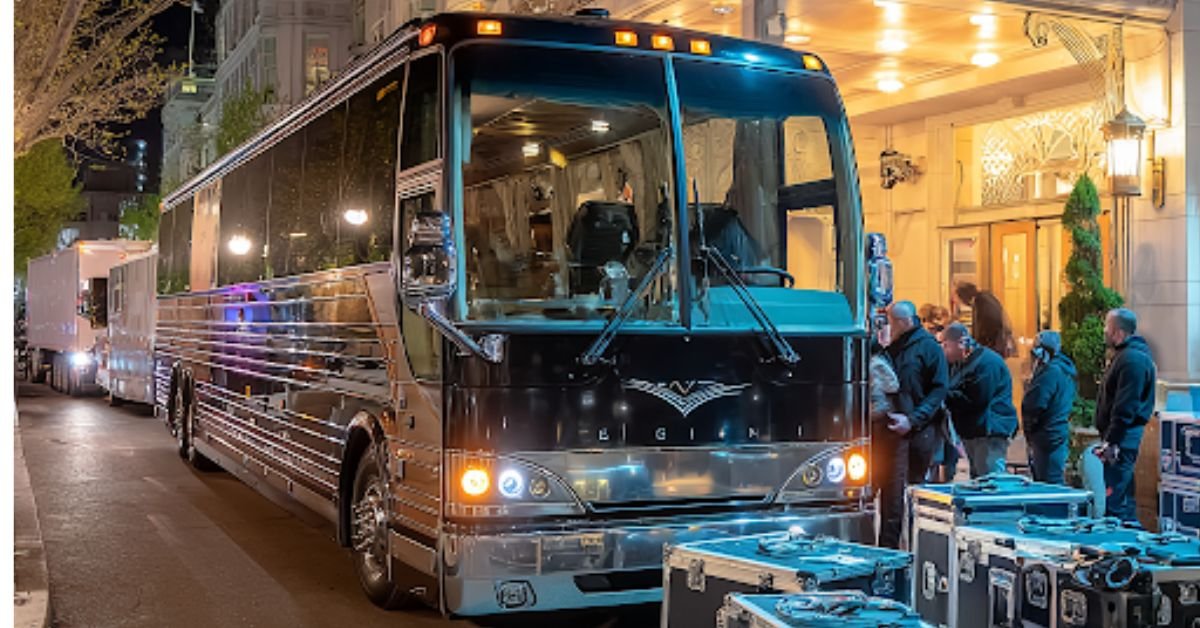
Picture this: your favorite artist just wrapped a sold-out show in Miami, and tomorrow night they’re headlining in Seattle. Between those two moments, approximately 100 humans, 40 tons of equipment, and enough cable to circle a football field need to materialize 3,000 miles away like some elaborate magic trick. Welcome to the wildly complex universe where entertainment industry moving services meet rock-and-roll reality, and where specialized tour relocation services transform logistical nightmares into seamless transitions that fans never see but artists absolutely cannot live without.
The entertainment world operates on geography-defying timelines that would give regular logistics managers stress-induced hives. Celebrity relocations demonstrate how urban development follows cultural trendsetters, but touring artists take this mobility to absurd extremes, essentially living in a state of permanent, choreographed migration where home becomes wherever the next show happens. Major tours coordinate moving 50 to 100 people across 40 cities in 60 nights, creating a million moving parts that require specialized coordination, transforming what should be impossible into Tuesday.
The Four-Tier Universe of Tour Accommodations
Here’s something most fans never realize: touring operations stratify like corporate hierarchies, except instead of corner offices, the hierarchy determines whether you’re sleeping at a Courtyard Marriott or the Four Seasons. The “D-party” (bus drivers and essential crew) stays in practical, comfortable hotels near venues. The “C-party” (stage crew and technical staff) upgrades slightly. The “B-party” (backup musicians and dancers) enjoys upscale digs. The “A-party” (the actual star plus their inner circle of managers, life coaches, pilates instructors, and mysterious people whose job titles remain delightfully vague) lands in luxury properties with underground entrances and restaurants that require reservations made six months in advance.
This tiered system isn’t about creating class divisions but rather acknowledging different needs. Bus drivers need convenient locations near parking facilities and practical amenities. Stars need privacy, security, and the ability to order ridiculous things at 3 AM without judgment. Both requirements are equally valid, just wildly different in execution. The moving services coordinating these relocations essentially run parallel operations for different segments of the same organization, like conducting four orchestras simultaneously while riding a unicycle.
Think about the planning required when someone texts at 2 PM saying “actually, I’ve decided I want to spend my day off in Philadelphia, where should I stay?” and expects a Five-Diamond hotel room materialized immediately in a city where major conventions have every decent property booked solid. Touring travel logistics professionals handle these scenarios with the calm efficiency of people who once booked a colonic appointment in a hotel room (yes, really, that happened) and consider last-minute luxury accommodations comparatively easy.
Equipment Migration That Makes Army Logistics Look Simple
While humans need beds, the physical production elements require something far more complex. Stadium tours travel with lighting rigs worth millions, sound systems that could level small buildings with their output, LED walls the size of drive-in movie screens, and enough cabling to trip every person in a medium-sized city. All of this equipment needs to arrive, assemble, perform flawlessly, disassemble, and travel to the next city while the artist sleeps on a tour bus that costs more than most people’s houses.
The choreography resembles synchronized swimming performed by semi-trucks. While tonight’s show runs in Houston, tomorrow’s staging equipment is already being constructed in New Orleans. The day-after-tomorrow’s gear might be in transit through Louisiana. This leap-frog system means tours operate three simultaneous timelines: yesterday (teardown), today (performance), and tomorrow (setup), with moving services orchestrating all three without them ever colliding or creating gaps.
Weather throws constant curveballs into this precision ballet. A hurricane in Florida doesn’t just affect that city’s show; it ripples through the entire tour routing, forcing rescheduling that impacts hotels, transportation, crew schedules, and promotional commitments made months ago. Moving specialists dealing with entertainment logistics build contingency plans that would make disaster preparedness experts jealous, always maintaining backup options for backup options, because the show must (literally) go on.
The Human Element: Personalities Meet Practicality
Working in tour moving services means accepting that logic takes occasional vacations. Some artists love flying commercial Delta while reality stars demand private jets through their eighth assistant Billboard, illustrating how fame and difficulty don’t correlate predictably. The biggest megastars often prove surprisingly low-maintenance about travel logistics, having learned through years of touring that cooperation with their team makes everyone’s life easier, including their own.
Then there are the cheese tray emergencies. Yes, someone actually lost sleep worrying whether an artist would approve the cheese selection in their hotel suite, because when you’re earning millions per show, apparently Gruyère versus Manchego becomes a make-or-break decision. These seemingly ridiculous concerns stem from the reality that artists on major tours sacrifice normal life stability, spending months away from home, family, and their favorite taco place, so the small comforts in hotel rooms carry outsized emotional weight.
The personality challenges extend beyond artists to the entire ecosystem traveling together. Picture coordinating lodging for backup musicians who consider themselves professional colleagues, stage crew who pride themselves on practical no-nonsense attitudes, management types who expect executive-level treatment, and the assorted hangers-on whose function remains mysteriously undefined but whose accommodation needs are surprisingly specific. Moving services managing these dynamics need skills that blend logistics expertise, psychology, diplomacy, and occasionally crisis intervention.
Technology’s Role in Eliminating Tour Chaos
Modern tour moving services leverage technology that would seem like science fiction to managers from earlier decades. Real-time tracking shows exactly where every piece of equipment exists at any moment, bus parking coordination happens through apps that map underground hotel entrances, and AI-powered systems predict potential bottlenecks before they materialize into actual problems. The 24-hour support operations mean that when flights get canceled at 3 AM, someone is immediately working solutions rather than discovering problems when everyone wakes up panicked six hours later.
The reservation verification systems that check every detail 72 hours before arrival demonstrate how small oversights create massive problems in touring contexts. Imagine arriving at a hotel after a six-hour drive, exhausted from performing for 20,000 screaming fans, only to discover your room isn’t ready, the bus parking doesn’t exist, or the credit card on file expired. These scenarios sound minor until you remember that tired, stressed performers experiencing accommodation failures might decide to fire everyone involved, creating employment chaos that ripples through entire tour operations.
Cloud-based coordination platforms allow tour managers to monitor dozens of simultaneous moving elements from their phones, making real-time adjustments that keep complex operations flowing smoothly. When equipment trucks encounter unexpected traffic, the system automatically alerts venue staff to adjust load-in times, notifies hotel managers about delayed arrivals, and updates catering schedules so meals don’t sit around for hours. This technological integration transforms what used to require dozens of phone calls and frantic coordination into automated adjustments that happen invisibly.
The Geography of Entertainment Excellence
Tour routing represents an art form unto itself, balancing venue availability, travel distances, equipment logistics, and market demand into itineraries that maximize profit while minimizing wear on everyone involved. The routing also factors in less obvious elements like altitude (which affects vocal performance), climate (because outdoor festivals require different equipment than indoor arenas), and cultural scheduling (avoiding dates that conflict with major local events that would compete for audiences or make logistics impossible).
Cities evolve their entertainment infrastructure based partly on becoming reliable tour stops. Venues invest in loading docks that accommodate massive equipment trucks, hotels near entertainment districts add underground parking, and local service industries develop expertise catering to touring operations. This creates feedback loops where cities that serve tours well attract more tours, generating more expertise and infrastructure, making them even more attractive for future routing decisions.
International touring multiplies complexity exponentially, adding customs regulations, work permits, equipment carnets, language barriers, and wildly varying local standards to already complicated logistics. Moving services handling global tours coordinate with specialists in dozens of countries, managing time zone differences, currency exchanges, and the reality that a “hotel suite” means something very different in Tokyo versus Los Angeles versus Berlin. The professional tour moving specialists who master international logistics become invaluable resources that artists keep on speed dial for entire careers.
The Future Sounds Like Efficient Insanity
As entertainment evolves, so do the moving services supporting it. Virtual reality tours might reduce physical travel eventually, but until technology advances significantly, artists will continue crossing continents to perform live. Sustainability concerns are pushing the industry toward greener transportation options, more efficient routing, and reduced waste in tour operations. Electric tour buses, carbon offset programs, and locally-sourced catering represent small steps toward addressing the environmental impact of moving entire productions across countries weekly.
The rise of festival culture creates concentrated demand that challenges moving services differently than traditional touring. Instead of one artist hitting 40 cities, festivals bring dozens of artists to single locations, requiring coordination that resembles organizing small cities with populations that arrive, perform, and disappear within days. The logistics of managing shared equipment, coordinating artist arrivals and departures, and handling the personalities of multiple touring operations simultaneously make traditional tours look almost relaxing by comparison.
Behind every flawless concert experience sits an invisible infrastructure of moving specialists who transform chaos into coordination, ensuring artists appear where they should, when they should, with everything they need. These logistics professionals deserve recognition as the unsung heroes making entertainment magic possible, one perfectly-timed hotel reservation and equipment delivery at a time.
CLICK HERE FOR MORE BLOG POSTS

Ethan Cole is a passionate blogger at Aldalive.com, sharing fresh ideas and engaging content on lifestyle, technology, and everyday trends. With a love for writing and exploring new topics, Ethan aims to make information simple, useful, and inspiring for readers worldwide.