
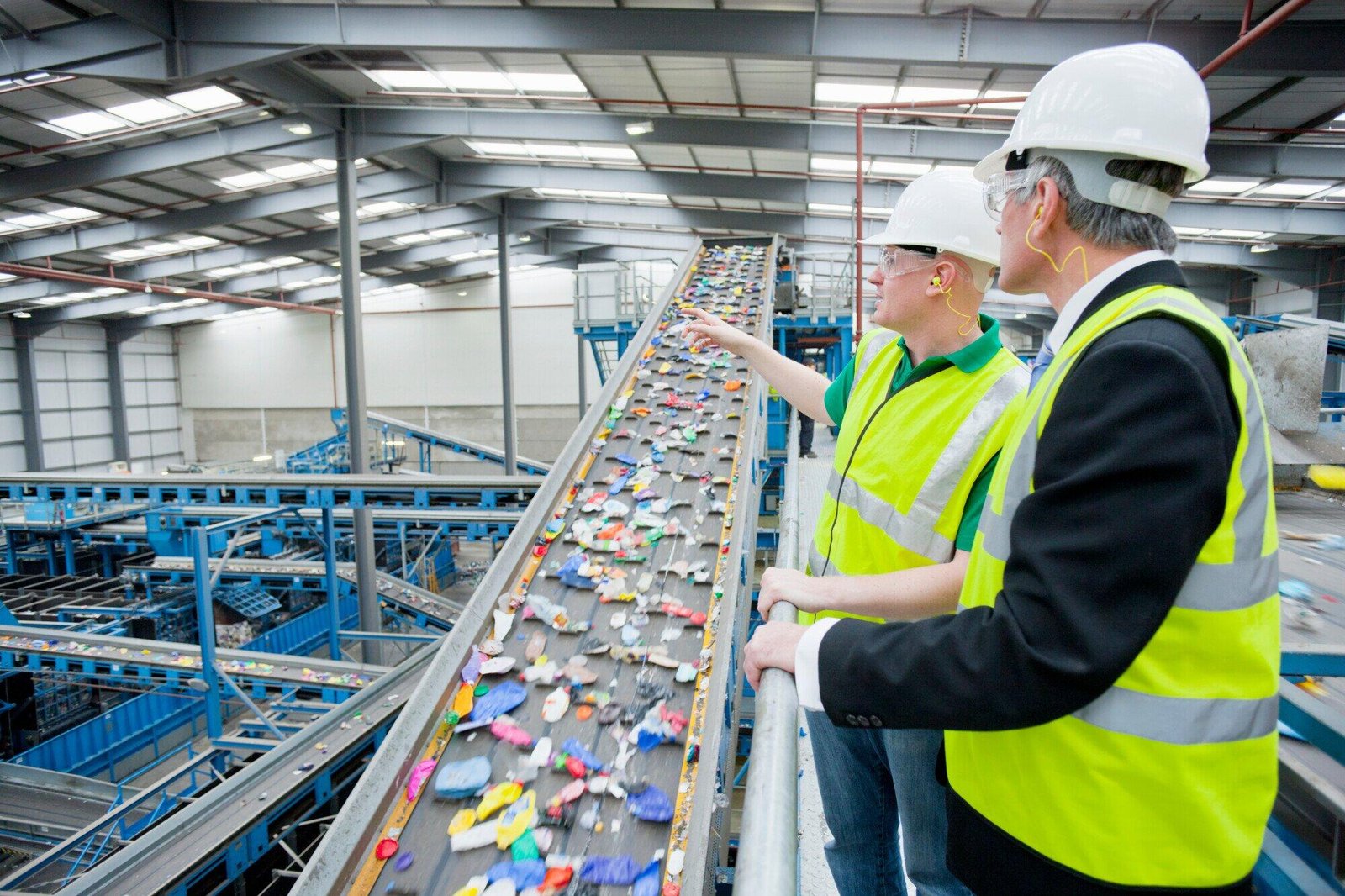
Have you ever wondered what happens to the trash after it leaves your home?
Recycling is changing fast with new machines and smart tools that can sort, clean, and process waste much faster than before. These machines help turn more materials into new products while using less energy and space.
You can see plastics, metals, and paper getting a second life thanks to clever automation. The way trash is handled is no longer slow or messy-it’s becoming smarter and safer for the planet. Curious how this works and what it means for the future? Read on.
Automatic Sorting Makes Recycling Faster
Sorting trash used to take a lot of time. Workers had to pick through piles of garbage by hand. Today, automatic sorting machines can separate plastics, metals, paper, and glass quickly. These machines use sensors to spot different materials.
This reduces mistakes that often happen when sorting by hand. Automatic sorting not only speeds up recycling but also makes sure more materials are reused correctly.
Faster sorting means more waste can be processed each day, helping communities manage trash better. Some facilities also use a plastic recycling washing line to clean plastics before the next step.
How Optical Recognition Systems Improve Recycling
Optical recognition machines use cameras and sensors to see what type of material each item is. They can tell the difference between plastic bottles, cardboard, and metal cans.
Once the materials are identified, they are sent to the right recycling process. This improves the quality of recycled items and keeps materials from getting mixed up. Mixing the wrong items can make recycling less efficient.
These machines handle most of the sorting, making recycling faster, cleaner, and more accurate. Technology like this helps recycling plants run better and more reliably.
Robotic Arms Keep Workers Safe
Handling trash can be dangerous. Some waste is heavy, sharp, or even harmful. Robotic arms help keep workers out of danger. They can lift big items, move heavy objects, and handle risky materials safely. Robots work fast and carefully, reducing accidents.
Using robots allows workers to focus on tasks that need human thinking, like checking machines or managing operations. With robots taking care of risky jobs, recycling plants can keep workers safe and work more efficiently, leaving everyone feeling safe.
Shredders and Crushers Break Down Waste
Big waste items, like old furniture, metal scraps, and large plastics, are hard to recycle without machines. Shredders and crushers break these items into smaller pieces. Smaller pieces are easier to clean and recycle.
Shredding also takes up less space, which makes storing and moving waste easier. Crushers are good for hard materials like glass and metal. By breaking waste into smaller, uniform pieces, recycling plants can process more materials faster and run more smoothly.
Conveyor Automation Speeds Up Processing
Conveyor belts move trash through the recycling process. Modern recycling plants use automated conveyors to carry waste through sorting, shredding, and other steps.
Automation keeps the materials moving steadily, which reduces delays. Faster movement allows recycling plants to handle more waste in less time. Machines and workers can focus on their tasks instead of moving items by hand.
This helps recycling happen faster and keeps the process running smoothly. Faster recycling also helps the environment by keeping more waste out of landfills.
Magnetic Separation Pulls Out Metals
Magnets are used to pull metal items from mixed waste. This works well for steel, aluminum, and other metals. Removing metals early prevents damage to machines and improves recycling quality.
Magnetic separation also makes recycling safer and more efficient. Machines can handle large amounts of waste without slowing down. Metals are recovered instead of being thrown away, which helps reduce waste and reuse more materials.
This is an easy but powerful way to make recycling work better.
Air Classification Sorts Materials by Weight
Air classification machines use airflow to separate light items from heavy ones. Paper and plastic can be lifted by air, while metals and glass stay behind. This helps recycling plants process materials more efficiently.
It also keeps different materials from mixing, which improves recycled products. Sorting by weight saves time and energy, allowing plants to handle more waste without extra work. Air classification is a simple but effective way to improve recycling speed and quality.
Compaction and Baling Make Storage Easier
After sorting and cleaning, materials need to be stored and moved. Compaction and baling machines compress recyclables into smaller bundles. These bundles take up less space and are easier to transport.
Moving compacted materials costs less and keeps storage areas organized. Baling also protects materials from damage and keeps them from mixing with other waste. Using these machines helps recycling plants save money, work faster, and keep the process smooth from start to finish.
Smart Monitoring Systems Track Performance
Modern recycling plants use smart monitoring systems to track machines and waste flow. Sensors collect data on how machines are working and how much waste is processed. This helps managers spot problems and fix them quickly.
Monitoring systems make sure machines run efficiently and do not waste energy. Tracking performance also prevents delays and improves the quality of recycled materials. This technology makes recycling safer, faster, and more reliable for everyone.
Energy Recovery Automation Turns Waste into Power
Not all waste can be recycled. Some plastics or food waste cannot be reused normally. Energy recovery machines can turn this waste into energy. They safely burn or process non-recyclable materials to create electricity or heat.
This reduces the trash sent to landfills and gives communities a new source of energy. Energy recovery machines help make recycling more complete and eco-friendly. They turn waste that cannot be reused into something useful, helping the environment and the community.
The Future of Recycling is Smart
Advanced machines and automation are changing recycling in big ways. Waste is sorted faster, processed more efficiently, and handled safely. Machines reduce mistakes, protect workers, and help the planet by reusing more materials.
Recycling is no longer slow or messy-it is becoming cleaner and smarter. Communities can expect less trash in landfills, more reused materials, and even energy made from waste.
Recycling Smarter: How Machines Are Shaping a Cleaner Future
New machines and automation are making recycling faster and safer. Trash is sorted more carefully, dangerous tasks are done by robots, and even waste that cannot be reused can be turned into energy.
These changes help keep the planet clean, reduce garbage in landfills, and make a smarter, greener future for everyone.
Did you find this article helpful? You can check out our website for more awesome content like this!

Rao Waqas is a passionate content writer who crafts engaging and insightful articles across diverse topics, helping readers stay informed and inspired.