
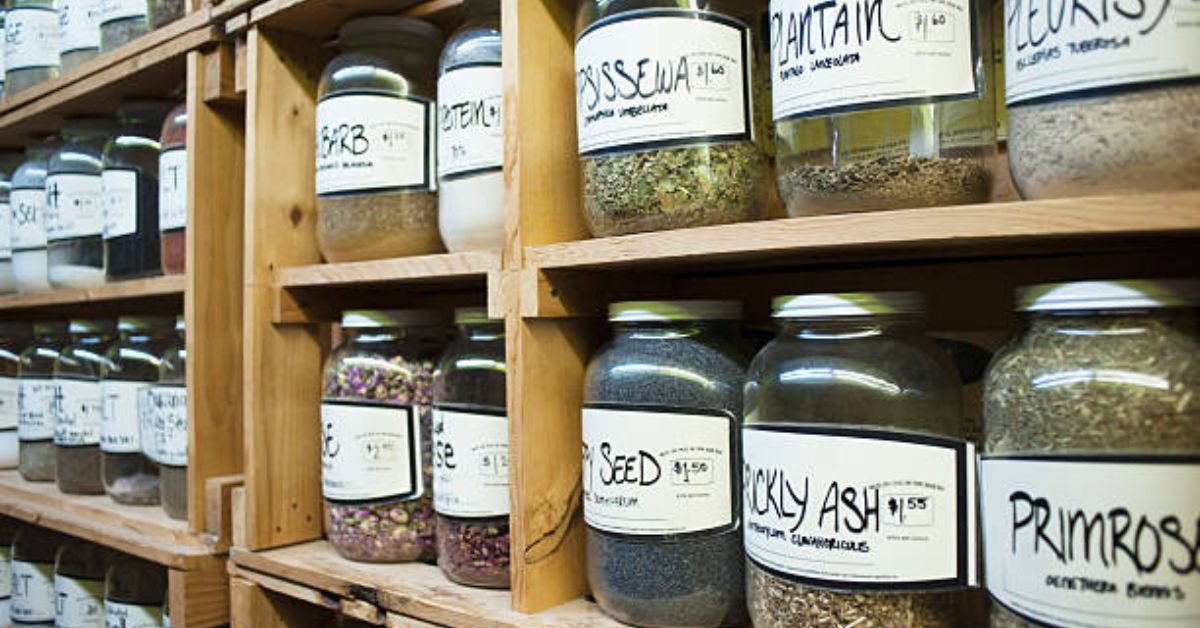
Seed library near me into your search bar is often the first step toward a gardening revolution that saves you money and connects you deeply to your local ecosystem. In 2025, with grocery prices still fluctuating and a renewed interest in self-sufficiency, these community hubs are becoming the heartbeat of the modern garden.
The concept is simple, yet the impact is profound. It’s about moving away from the “one-size-fits-all” seeds sold at big-box stores and embracing varieties that actually thrive in your specific zip code. Whether you are a balcony gardener with three pots or managing a quarter-acre homestead, finding a local seed exchange is a game-changer.
What is a Seed Library?
At its core, what is a seed library if not a promise between gardeners? It functions remarkably like a traditional book library, but instead of borrowing the latest thriller, you are borrowing potential life.
You “check out” seeds at the beginning of the planting season. You plant them, tend to them, and—here is the magic part—you let a few of the best plants go to seed at the end of the season. You harvest those seeds and return a portion of them to the library for others to use next year.
It is a self-perpetuating cycle.
Unlike a seed bank, which is a frozen vault designed for doomsday scenarios (think the Svalbard Global Seed Vault), a library is a living, breathing collection. It relies on people. It relies on the soil.
Why “Borrowing” Matters
You might be thinking, “Seeds are cheap, why bother?” But in 2025, the conversation has shifted. It’s not just about cost; it’s about resilience.
When you buy a packet of peppers from a national chain, those seeds were likely grown in a completely different climate. They are generic.
When you get seeds from a local library, you are often getting “locally adapted” genetics. These are plants that have survived your region’s specific pests, your neighborhood’s soil composition, and your local weather patterns. They are survivors. By borrowing and returning, you are helping to breed super-plants for your community.

Tapping into the Global Seed Library Near Me
It sounds contradictory, doesn’t it? How can something be global and near you at the same time?
The beauty of the modern gardening movement is connectivity. When you search for a global seed library near me, you aren’t looking for a single massive building. You are looking for a local branch of a worldwide philosophy.
Most seed libraries are housed within public libraries. It’s a natural fit. Librarians are experts at organizing information, and seeds are just another form of information—genetic data wrapped in a hard coating.
However, they also pop up in:
- Community centers
- University extension offices
- Community gardens
- Local art collectives
The Digital Hunt
Finding them has gotten easier. While Google Maps is a good start, looking for specific ecological groups on social media often yields better results. In 2025, many libraries have digitized their catalogs. You can sometimes browse available tomato varieties online before you even drive over.
If you find a location that claims to be part of a global network, it usually means they adhere to specific standards of purity and sharing. It ensures that the “heirloom” corn you are getting hasn’t been accidentally cross-pollinated with something else.
Once you find a spot, you are entering a wider seed library network. This isn’t just about taking free stuff. It’s about entering a community of practice.
These networks often host seed swaps—events that feel a bit like a farmers market mixed with a treasure hunt. This is where the real gold is found. You might meet an elderly gardener who has been growing the same pole bean for forty years. You can’t buy that history in a store.
The network also serves as a safety net. If your crop fails (and let’s be honest, we all have bad years), the library is there to restock you next season. You aren’t punished for a brown thumb.
The “No-Overdue-Fines” Policy
One of the biggest anxieties new users have is: “What if I kill the plants?”
Relax. Nobody is going to come to your house and demand their seeds back. The system is built on the honor code. If your lettuce bolts too early or your squash gets eaten by vine borers, you simply don’t return seeds that year. You try again next time.
The goal is participation, not perfection.
How to Use a Seed Library: A Step-by-Step Guide
So, you’ve found one. You’ve walked in. Now what? The process is usually incredibly low-tech, which is part of the charm.
Registration
You will likely fill out a simple form. This isn’t for billing; it’s for data. They need to know who is growing what so they can track the diversity of their collection.
Selection
This is the fun part. You’ll see drawers or binders filled with packets.
- Beginners: Look for “easy-to-save” seeds. These are usually self-pollinating crops like peas, beans, lettuce, and tomatoes. They don’t cross-pollinate easily, so the seeds you save will likely be “true to type.”
- Advanced: Crops like squash, melons, and brassicas (broccoli, kale) are promiscuous. They love to cross-pollinate with their neighbors. Unless you know how to hand-pollinate or isolate flowers, avoid trying to save these for the library until you have more experience.
The Grow Out
Plant your garden! The library might provide growing instructions, but local knowledge is key here. Ask the librarian or volunteers about the specific quirks of the varieties you chose.
The Harvest and Return
This is where the work comes in. You don’t eat the entire crop. You have to sacrifice the best-looking tomato or the healthiest pod of peas to the cause. You let it over-ripen, harvest the seeds, dry them properly, and bring them back in a labeled envelope.
The Ethics of the Swap
I remember chatting with a woman at a seed swap in Vista last year. She was holding a jar of speckled beans like they were diamonds. She told me, “These aren’t just beans. My neighbor grew these for thirty years before he passed. Keeping them going is how I keep him in the neighborhood.”
That sentiment captures the ethics of the library. It’s about respect.
Don’t Be a Hoarder
It is tempting to grab one of everything. Don’t. Take only what you will actually grow. Seeds are living embryos; they die if they sit in a drawer for five years. If you take ten packets and use one, you have wasted nine potential gardens.
Labeling is Law
When you return seeds, your label is the only guarantee the next grower has.
- Variety name
- Year harvested
- Location grown
- Any notes (e.g., “drought tolerant,” “super sweet”)
If you aren’t sure if your peppers cross-pollinated with the jalapeños next door, be honest. Label them as “Open Pollinated – Might be crossed.” Some gardeners love a mystery mix, but they need to know what they are signing up for.
Why Store-Bought Seeds Are Failing Us
In 2025, the consolidation of the seed industry is a major concern. A handful of massive chemical corporations own the vast majority of the world’s seed genetics.
Why does this matter to your backyard?
Because these companies breed for:
- Shelf life (so veggies can survive a truck ride across the country).
- Uniformity (so every tomato looks identical).
- Dependence on synthetic fertilizers.
They do not breed for flavor. They do not breed for the specific micro-climate of your valley or town.
By using a seed library near me, you are opting out of that industrial system. You are choosing flavor over firmness. You are choosing resilience over uniformity.
Deep Dive: The Science of “Landraces”
You might hear the term “landrace” thrown around in these circles. It sounds technical, but it’s cool.
A landrace is a population of plants that has adapted to a specific local environment over time. They aren’t clones. They have a lot of genetic diversity within the group.
If you grow a landrace corn from a seed library, some stalks might be tall, some short. Some might mature early, some late. This diversity is a safety net. If you have a super hot summer, the heat-tolerant genetics will survive. If it’s a wet summer, the rot-resistant ones will thrive.
Modern industrial seeds are genetically identical (F1 hybrids). If a disease strikes that they are susceptible to, you lose the entire crop. Landraces prevent total failure.
Troubleshooting Your Seed Saving
So you want to give back, but you are nervous. Let’s look at the two main methods of saving seeds to ensure what you return is high quality.
Dry Processing
This is for plants where the seed dries in the pod (beans, peas, okra, lettuce).
- The Trick: Wait longer than you think. The pods should be brown and crispy on the vine. If you rattle them, they should sound like a maraca.
- The Risk: Harvesting too early. If the seed still has moisture, it will mold in the envelope.
Wet Processing
This is for wet fruits (tomatoes, cucumbers, melons).
- The Trick: Fermentation. For tomatoes, you squeeze the seeds and goo into a jar with a little water. Let it sit for 3 days until a gross mold layer forms on top. This mold eats the gel sack off the seed (which inhibits germination). Rinse them clean and dry them on a coffee filter.
- The Risk: Skipping the fermentation. If you just dry a slimy tomato seed, it often won’t sprout next year.
Community and Mental Health
There is a tangible “vibe” shift when you start participating in a seed library. Gardening can be a solitary act. You, the dirt, the sun. But the library turns it into a communal effort.
You start to look at your plants differently. That lettuce isn’t just lunch; it’s a future gift to a stranger.
In a digital world, this analog exchange is grounding. It connects you to the seasons and to your neighbors in a way that scrolling through Nextdoor never will.
FAQs
Q: Do I have to return seeds to the library?
A: Generally, it is not mandatory, especially for beginners. Libraries understand that crops fail or that life gets busy. The “borrowing” system is based on the honor system. However, the library relies on returns to stay stocked, so once you get the hang of it, try to return at least one variety you were successful with.
Q: Can I donate leftover store-bought seeds?
A: Yes, most libraries welcome commercial packets! If you bought a pack of 50 kale seeds and only planted 5, don’t let the rest expire. Bring the packet in. It’s a great way to help the library boost its inventory, even if they aren’t locally saved seeds yet.
Q: What is the difference between a seed bank and a seed library?
A: A seed bank is usually a long-term storage facility meant for conservation and research (like a backup hard drive for nature). A seed library is a community resource meant for short-term turnover and active growing. Banks preserve genetics; libraries distribute and adapt them.
Q: Are the seeds in a seed library organic?
A: Usually, yes, but not certified. Most contributors to seed libraries are home gardeners who practice organic methods (no synthetic pesticides), but they don’t have the expensive USDA certification. The library will usually label them based on how they were grown, so just check the packet info.
Conclusion
Seed library near me is more than a quest for free gardening supplies. It is a step toward food sovereignty and community resilience. In 2025, as we navigate a changing climate and an unpredictable economy, the simple act of saving a seed is a radical declaration of hope.
CLICK HERE FOR MORE BLOG POSTS

John Authers is a seasoned and respected writer whose work reflects the tone, clarity, and emotional intelligence that readers value in 2025. His writing blends deep insight with a natural, human voice—making complex ideas feel relatable and engaging. Every piece he crafts feels thoughtful, original, and genuinely worth reading.