
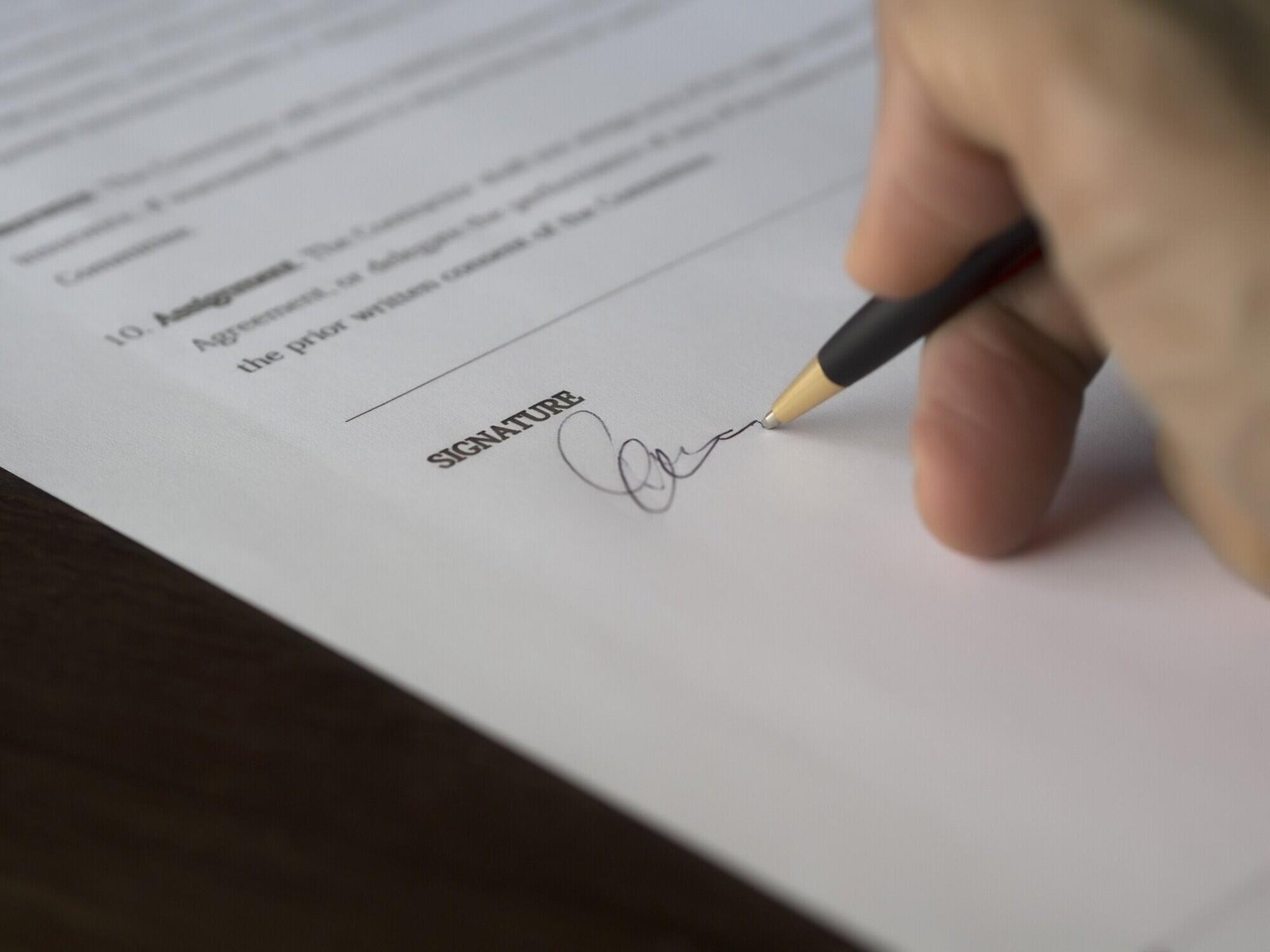
Legal proceedings rely on one basic rule: due process. Due process means that everyone is treated fairly under the law. This includes making sure people get proper notice of legal actions that affect them. But how do these notices actually reach the right people?
This article explains how legal notifications are served and why it matters. For more related topics, check out the rest of our blog!
Understanding Legal Notifications
A legal notification is more than a letter. It is an official document that tells someone about legal action. This can include court summons, complaints, subpoenas, or other legal papers. The goal is to give the recipient a chance to respond, defend themselves, or appear in court.
Without proper notice, legal actions can be delayed, dismissed, or considered unfair. Due process ensures that every person knows about the case and can protect their rights. Following the correct procedures is important for both the legal system and the people involved.
The Role of a Process Server
A process server is a professional who delivers legal documents to the right person. Their job is important because it makes sure the service is done correctly and legally. For example, hiring experts like this process server London is a reliable way to make sure documents are delivered properly.
Process servers follow rules to keep legal notices valid. They must deliver the papers to the correct person and provide proof of service. Proof can include a signed receipt, a photo, or an official statement confirming delivery.
How Legal Documents Are Served
Legal notices can be delivered in several ways. Personal service is the most direct. The server gives the documents directly to the person. This confirms the person received them.
Sometimes, the recipient cannot be reached. In these cases, the documents can be left with another responsible adult at the home or workplace. This is called substituted service.
Some legal notices are sent by mail. Certified mail is often used, and a signed receipt proves the documents arrived.
If a person cannot be found, courts may allow notices to be published publicly, like in newspapers or online. This ensures the law is followed even when the recipient is missing.
Ensuring Proper Service
Proper service is about more than just delivering papers. It is about following the right steps. First, the correct name and address of the person must be confirmed. Errors can delay the case or make the service invalid.
Next, the best method of delivery is chosen. The server will try personal delivery first, then use other options if needed. Every effort is made to reach the person, sometimes requiring multiple attempts.
Proof of service is recorded carefully. This includes the date, time, and how the documents were delivered. The proof may be given to the court. Following local laws ensures that the service is valid and the person’s rights are protected.
Challenges in Serving Legal Notifications
Serving legal notices can be difficult. Some people try to avoid being served. Others may have wrong addresses listed. Deadlines can also make the process stressful.
Professional process servers know how to handle these challenges. They use investigation skills and knowledge of the law to make sure documents reach the right person.
Legal Risks of Improper Service
If legal notices are not served correctly, it can create serious problems for everyone involved. Courts may delay hearings, dismiss cases, or require documents to be served again. This can cause legal proceedings to drag on for weeks or even months, wasting time and increasing costs for both parties.
Individuals who do not receive proper notice may have the right to challenge legal actions. They might argue that their due process rights were violated, which can result in cases being overturned or restarted. This can make the legal process more complicated and create uncertainty for lawyers and clients.
Improper service can also affect court deadlines. For example, if a defendant was not properly notified, they may be entitled to extra time to respond or appear in court. This can disrupt schedules, delay resolutions, and potentially change the outcome of a case.
Importance of Timely Service
Delivering documents on time is just as important as delivering them correctly. Legal papers often include strict deadlines for responses, appearances in court, or compliance with orders. If a notice arrives late, it can disrupt the legal process, delay hearings, or even affect the outcome of a case. Timely service ensures that all parties have a fair opportunity to respond and participate.
Process servers are trained to manage timing carefully. They plan routes, schedule multiple attempts if necessary, and coordinate with clients to ensure deadlines are met. Many use technology like GPS tracking and electronic alerts to stay on schedule and provide proof of on-time delivery.
Timely service also helps reduce stress for everyone involved. Lawyers, clients, and courts can move forward with confidence, knowing that documents have been delivered correctly and promptly. Delays in service can create legal complications, disputes, or even extra costs, so speed and efficiency are essential.
Technology and Modern Service
Process serving has changed a lot with technology. GPS, electronic signatures, and online tracking systems help process servers record every step of the delivery. GPS tracking can show the exact location where documents were handed over. Electronic signatures allow recipients to confirm receipt instantly, and online systems can store proof securely, making it easy to share with courts and clients. These tools make service faster, more accurate, and easier to document.
Some companies also use automated notifications to alert clients when documents are delivered. Digital photos or scanned receipts can serve as additional proof, giving courts and lawyers more confidence that proper procedures were followed.
Exploring Legal Notifications
Serving legal notifications is key to due process. It ensures everyone knows about legal actions and has a fair chance to respond. From direct delivery to modern methods, the process is carefully designed to follow the law and prevent disputes.
Using a professional process server helps ensure documents reach the right person on time. Following proper procedures keeps the legal system fair, trustworthy, and accountable.
For more related topics, check out the rest of our blog!

Rao Waqas is a passionate content writer who crafts engaging and insightful articles across diverse topics, helping readers stay informed and inspired.