
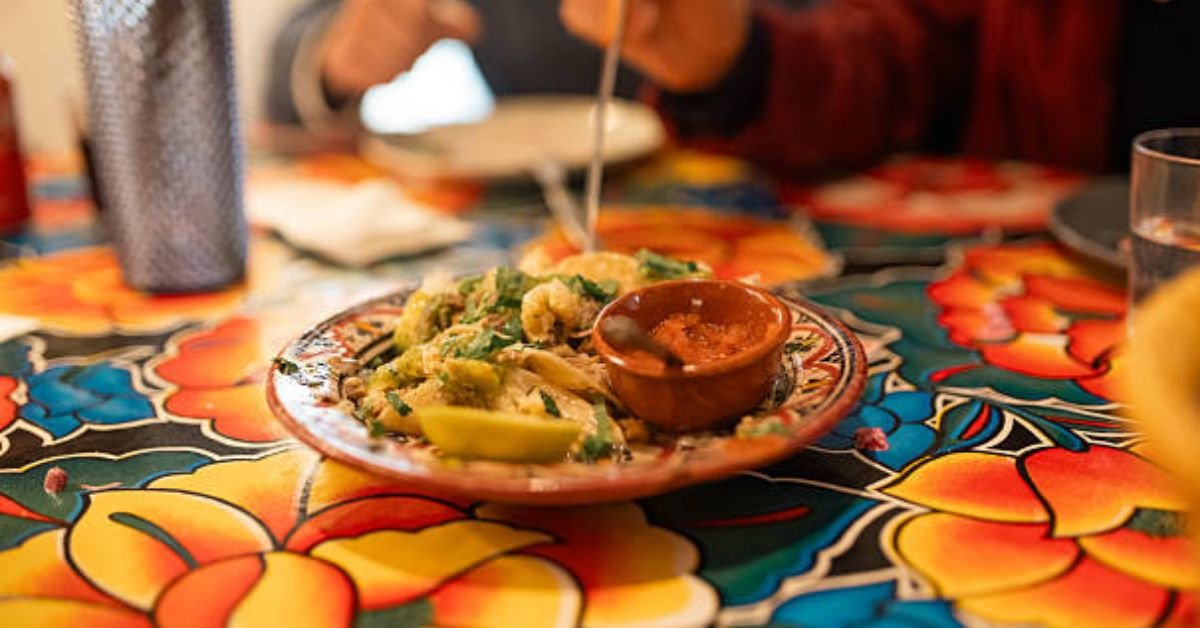
Imagine walking through a bustling Mexican mercado as the sun rises—the air thick with the aroma of fresh masa being pressed into tortillas, the sizzle of carnitas in copper pots, and vendors calling out their specialties in rapid-fire Spanish. Pyramids of chili peppers in every shade from jade to crimson tower beside fragrant bundles of cilantro and epazote. This is Mexico, where food is not merely sustenance but a vibrant expression of history, culture, and community.
Mexican cuisine earned UNESCO Intangible Cultural Heritage status in 2010, recognizing it as one of the world’s most sophisticated culinary traditions. From the smoky depths of Oaxacan mole negro to the bright, citrusy punch of Yucatecan cochinita pibil, Mexico’s regional diversity rivals that of any European country. This guide goes beyond the typical destination lists to provide you with practical knowledge, cultural context, and insider strategies for experiencing Mexico’s food scene like a true foodie—not just a tourist.
Understanding Mexican Cuisine: More Than Tacos & Tequila
A Mosaic of Regional Flavors
Mexico’s culinary landscape is shaped by dramatic geography and a complex history of indigenous civilizations, Spanish colonization, and modern innovation. The country’s cuisine divides roughly into distinct regional profiles:
- Northern Mexico: Known for beef, wheat tortillas, and grilled meats. The cowboy culture of states like Sonora and Chihuahua emphasizes simple, hearty preparations like carne asada and flour tortillas.
- Central Mexico: The heart of pre-Hispanic and colonial fusion. Mexico City and Puebla showcase elaborate sauces (moles), street food culture, and the widest variety of corn-based antojitos.
- Southern Mexico (Oaxaca & Chiapas): The soul of indigenous foodways. Zapotec and Mixtec influences dominate, with complex moles, tlayudas, and extensive use of herbs like hoja santa and avocado leaves.
- Coastal Regions: Fresh seafood reigns. The Gulf Coast (Veracruz) features Spanish-influenced fish dishes, while the Pacific side offers ceviches and aguachile influenced by Japanese immigration.
- Yucatán Peninsula: Maya cuisine persists in dishes like cochinita pibil, poc chuc, and panuchos, with distinctive use of achiote, sour orange, and pit-roasting techniques.
The Heart of the Kitchen: Essential Ingredients
To truly understand Mexican food, you must know its building blocks. These ingredients appear across regions, though their specific varieties and preparations vary wildly:
Corn (maize) is the foundation of Mexican civilization and cuisine. Through the ancient process of nixtamalization—soaking dried corn in lime water—kernels transform into nutritious masa (dough) for tortillas, tamales, and countless other preparations. You’ll encounter dozens of heirloom corn varieties, from purple and red to speckled blue.
Chili peppers provide not just heat but profound flavor complexity. Fresh chiles (jalapeño, serrano, poblano) offer vegetal brightness, while dried varieties (ancho, guajillo, chipotle, pasilla) contribute earthy, fruity, or smoky notes. Learning to distinguish them is essential for understanding regional cooking.
Other cornerstone ingredients include beans (frijoles), which appear in dozens of varieties; avocados; tomatoes and tomatillos; fresh herbs like cilantro, epazote, and hoja santa; and queso fresco (fresh cheese). The interplay of these elements, refined over millennia, creates Mexico’s distinctive flavor profiles.
The Foodie’s Map: Must-Visit Culinary Destinations
Quick Reference Guide:
| City | Known For | Signature Dish | Foodie Level |
| Oaxaca | Seven moles, markets | Mole negro | Advanced |
| Mexico City | Street food & fine dining | Tacos al pastor | All levels |
| Mérida (Yucatán) | Maya cuisine | Cochinita pibil | Intermediate |
| Puebla | Colonial classics | Chiles en nogada | Intermediate |
| Guadalajara | Northern traditions | Birria & torta ahogada | Beginner |
Oaxaca: The Land of the Seven Moles
For serious foodies, Oaxaca is non-negotiable. This colonial city in Mexico’s mountainous south represents the pinnacle of traditional Mexican gastronomy. Oaxaca is famous for its seven moles—complex sauces that can contain 30+ ingredients and require days of preparation. Mole negro, the most celebrated, achieves an almost black color and deep, bittersweet flavor from charred chilhuacle negro peppers, chocolate, and countless spices.
Beyond mole, seek out tlayudas (massive crispy tortillas topped with beans, cheese, and meat), memelas, and the city’s incredible market culture. The Mercado 20 de Noviembre and Mercado Benito Juárez overflow with regional specialties. Don’t miss mezcal tastings—Oaxaca produces most of Mexico’s artisanal mezcal, and understanding this smoky spirit deepens your appreciation of the cuisine.
Mexico City: The Cosmopolitan Feast
Mexico City offers everything: world-class fine dining, unparalleled street food, and every regional Mexican cuisine under one sprawling urban canopy. At the high end, restaurants like Pujol, Quintonil, and Sud 777 have earned global acclaim for contemporary Mexican cooking that honors tradition while pushing boundaries.
But the city’s true soul lives in its street food. Tacos al pastor—spit-roasted pork with pineapple, inspired by Lebanese immigrants—reaches its apex here. El Califa and Los Cocuyos serve legendary versions. Explore neighborhood taquerías for tacos de canasta (steamed basket tacos), tacos de guisado (stewed fillings), and late-night carnitas (slow-cooked pork). The city’s enormous size means every neighborhood offers distinct specialties.

Yucatán Peninsula (Mérida & Valladolid): Ancient Maya Flavors
The Yucatán Peninsula preserves Maya culinary traditions more intact than perhaps anywhere else in Mexico. The region’s signature dish, cochinita pibil, embodies this heritage: pork marinated in achiote (annatto seeds) and sour orange, wrapped in banana leaves, and traditionally cooked in an underground pit (pib). The result is tender, citrus-forward meat unlike anything in central Mexico.
Mérida, the peninsula’s elegant capital, offers excellent restaurants serving panuchos and salbutes (fried tortilla variations), sopa de lima (lime soup), and papadzules (egg-filled tortillas in pumpkin seed sauce). The use of recado (spice pastes), habanero-based salsas, and fresh masa defines Yucatecan cooking. Visit local mercados for breakfast staples like poc chuc (grilled pork with pickled onions).
Puebla & Veracruz: The Colonial Kitchen
Puebla claims two of Mexico’s most iconic dishes. Mole poblano, the chocolate-enriched sauce often served over turkey, allegedly originated in Puebla’s colonial convents. More seasonal and spectacular is chiles en nogada—poblano peppers stuffed with spiced meat and fruits, topped with walnut cream sauce and pomegranate seeds, creating the colors of the Mexican flag. This dish appears primarily in August and September.
Veracruz, on the Gulf Coast, showcases Mexico’s best seafood cooking. Huachinango a la Veracruzana (red snapper in tomato-olive-caper sauce) reflects the port city’s Spanish and Caribbean influences. The coffee culture here also merits attention—Veracruz produces much of Mexico’s coffee, and café de olla (cinnamon-spiced coffee) reaches perfection.
Guadalajara & Jalisco: The Soul of the North
Jalisco’s capital gave Mexico mariachi, tequila, and birria—a rich, chile-spiced goat or beef stew that has recently achieved global fame through birria tacos. Traditional birria in Guadalajara is served as a soup with tortillas on the side; the modern taco variation involves dipping tortillas in the consommé before grilling. Don’t leave without trying torta ahogada, a pork sandwich ‘drowned’ in spicy tomato sauce.
Jalisco also produces all the world’s legitimate tequila. Consider a day trip to Tequila town to tour distilleries and taste this blue agave spirit at its source, deepening your understanding of Mexico’s most famous export.
The Must-Try Dish List: From Street Corn to Complex Moles
Street Food Stars (Comida Callejera)
Mexican street food (antojitos) represents some of the world’s most delicious and accessible cuisine. These are the essentials:
- Elote & Esquites: Grilled corn on the cob (elote) or kernels in a cup (esquites), both slathered with mayonnaise, cotija cheese, lime, and chili powder. Find vendors with smoking grills after dark.
- Tacos: Beyond al pastor, explore tacos de barbacoa (slow-steamed lamb or beef), tacos de pescado (Baja-style fried fish), and regional specialties. Note: in Mexico City, a ‘quesadilla’ doesn’t automatically include cheese unless you specify ‘con queso.’
- Tamales: Steamed corn dough parcels with endless filling variations. Sweet tamales (pink or with dried fruit) make excellent breakfast fare.
- Tostadas & Sopes: Crispy (tostadas) or thick, pinched-edge (sopes) corn bases topped with beans, meat, lettuce, cream, and cheese.
Iconic Main Dishes (Platos Fuertes)
- Mole: The crown jewel of Mexican sauces comes in countless regional variations. Beyond mole poblano and negro, seek out mole amarillo (yellow), mole verde (green with herbs), and rare varieties like manchamanteles (tablecloth-stainer).
- Pozole: A hearty hominy soup traditionally served on Thursdays and special occasions. Three main types exist: rojo (red with guajillo chiles), verde (green with tomatillos and pepitas), and blanco (white, minimal chiles).
- Chilaquiles: Fried tortilla chips simmered in salsa verde or roja, topped with cream, cheese, and often eggs. The ultimate Mexican breakfast-brunch dish.
- Enchiladas: Tortillas dipped in sauce and filled with cheese, chicken, or other ingredients. Enchiladas mineras from Guanajuato and enchiladas suizas (with cream sauce) represent distinct regional styles.
Coastal & Seafood Specialties
Mexico’s extensive coastlines produce spectacular seafood dishes:
- Ceviche: Raw fish ‘cooked’ in lime juice with tomatoes, onions, cilantro, and chiles. Coastal variations abound, from Baja’s simple preparations to Sinaloa’s aguachile (ceviche’s spicier cousin with cucumber and more chiles).
- Pescado a la Talla: Butterflied, grilled fish smothered in chile paste, a Guerrero specialty found in Zihuatanejo and Acapulco.
- Camarones (Shrimp): Prepared countless ways—al mojo de ajo (garlic butter), a la diabla (spicy), or empanizados (breaded).
Sweet Endings & Drinks (Postres y Bebidas)
- Desserts: Flan (caramel custard), churros with chocolate, tres leches cake, and regional sweets like Oaxacan marquesitas or Puebla’s camote (sweet potato candy).
- Aguas Frescas: Fresh fruit waters in flavors like jamaica (hibiscus), horchata (rice-cinnamon), tamarindo, and seasonal fruits. Perfectly refreshing in Mexico’s heat.
- Mezcal & Tequila: Both agave spirits deserve serious attention. Mezcal’s smoky complexity and diverse agave varieties offer endless exploration. Taste them neat to appreciate the terroir.
- Café de Olla: Coffee brewed in clay pots with cinnamon and piloncillo (unrefined cane sugar), offering warmth and subtle spice.
The Practical Foodie’s Toolkit: Eat Safely & Like a Local
Mastering Street Food: A Safety & Etiquette Guide
The question every traveler asks: Is street food in Mexico safe? The answer is yes, with smart precautions. Follow these guidelines to eat confidently:
- Choose busy stalls: High turnover means fresh ingredients. If locals are lining up, it’s usually a good sign.
- Look for cleanliness markers: Clean cutting boards, organized workspace, vendor using tongs or gloves.
- Eat food served hot: Heat kills most pathogens. Avoid room-temperature items that have been sitting out.
- Start slowly: Let your digestive system adjust. Don’t immediately gorge on street food your first day.
- Skip raw vegetables & ice initially: Stick to cooked foods at first. After a few days, your system adapts.
- Understand ‘¿Con todo?’: Vendors will ask if you want ‘everything’ (onions, cilantro, salsa, lime). Say yes to experience dishes properly, or specify what you don’t want.
Street food etiquette: Most taquerías have standing areas or simple stools. Don’t expect table service. Order at the counter, pay after eating (or sometimes before), and bus your own dishes to the designated area. Tipping is appreciated but not mandatory for street food—leaving a few pesos is kind.

Key Spanish phrases for foodies:
- ¿Qué me recomienda? (What do you recommend?)
- Sin picante, por favor (Without spice, please) – though you should try some!
- ¿Cuál es la especialidad? (What’s the specialty?)
- La cuenta, por favor (The check, please)
- ¿Lleva carne/mariscos? (Does it have meat/seafood?) – useful for dietary restrictions
In markets, fondas are small food stalls serving home-style meals. Point at what looks good if language barriers exist. Breakfast in a mercado fonda is quintessentially Mexican and usually costs $3-6 USD for a generous meal.
Building Your Culinary Itinerary
Strategic planning maximizes your food experiences:
Sample 7-Day Oaxaca Food-Focused Itinerary:
- Days 1-2: Explore Oaxaca City markets, take a mole cooking class
- Day 3: Day trip to mezcal distilleries in Santiago Matatlán
- Day 4: Visit Tlacolula market (Sunday), street food crawl at night
- Day 5: Take a village food tour (Teotitlán del Valle for textiles and traditional food)
- Day 6: Fine dining experience, explore chocolate makers
- Day 7: Morning market shopping, cooking class to solidify skills
Consider timing your visit around food festivals: Guelaguetza (July), Noche de Rábanos (December), or local mole festivals. Seasonal ingredients also matter—chiles en nogada appear August-September, and Day of the Dead (late October/early November) brings special pan de muerto and unique regional offerings.
Beyond Tradition: Modern Mexican Cuisine & Trends
While this guide emphasizes authentic, traditional food, Mexico’s contemporary culinary scene thrives in major cities. The farm-to-table movement has gained momentum, with restaurants like Quintonil and Sud 777 in Mexico City sourcing heirloom ingredients directly from small producers.
Alta cocina Mexicana (high Mexican cuisine) reimagines traditional dishes with modern techniques—think deconstructed moles, molecular gastronomy interpretations of street food, or tasting menus that journey through Mexico’s regions. Chefs like Enrique Olvera (Pujol), Jorge Vallejo (Quintonil), and Elena Reygadas (Rosetta) have achieved international acclaim.
Mexico’s vegan and vegetarian scenes are also flourishing. Beyond accidentally vegetarian traditional dishes (quesadillas, bean sopes, nopal preparations), dedicated vegan restaurants in Mexico City, Guadalajara, and tourist areas offer creative plant-based versions of classics. Look for restaurants using terms like ‘vegano,’ ‘vegetariano,’ or ‘plant-based.’
Frequently Asked Questions for Foodies in Mexico
Is street food in Mexico safe to eat?
Yes, if you choose wisely. Look for busy stalls with high turnover, where food is cooked fresh and served hot. Avoid raw vegetables, unpeeled fruits, and ice from unknown sources initially. Start slowly to let your stomach adjust. Following basic precautions allows you to safely enjoy Mexico’s incredible street food culture without getting sick.
What is the most important dish to try in Mexico?
While subjective, you cannot leave without trying authentic tacos al pastor (spit-grilled pork with pineapple) from a Mexico City taquería and a complex, rich mole from Oaxaca or Puebla. These dishes represent the soul of Mexican street food and complex sauce cuisine, respectively, and embody centuries of culinary evolution.
Which Mexican city has the best food?
It depends on your taste. Oaxaca is unbeatable for deep, traditional flavors and complex moles. Mexico City offers unmatched variety from street eats to world-class fine dining. Mérida provides a unique taste of ancient Maya cuisine. Puebla excels in colonial-era dishes. Each city offers something irreplaceable—the ideal trip visits multiple destinations.
How much should I budget for food per day in Mexico?
Budgets vary widely. You can eat incredibly well on $15-25 USD per day sticking to markets and street food—this includes three substantial meals. A mid-range budget of $40-60 USD allows for nicer sit-down restaurants and occasional splurges. Fine dining experiences at acclaimed restaurants start at $100+ per person. Mexico offers exceptional value for food compared to most destinations.
What should I know about tipping at restaurants?
Tipping (propina) is customary in Mexico. In sit-down restaurants, a tip of 10-15% is standard and often not automatically added to the bill—check before adding extra. For street food and casual places, rounding up or leaving small change (5-10 pesos) is appreciated but not obligatory. For exceptional service at nice restaurants, 15-20% is generous.
Can I find good vegetarian or vegan food in Mexico?
Absolutely. Traditional Mexican dishes like cheese-filled quesadillas, bean sopes, nopal (cactus) salads, rajas con crema (poblano strips), and various vegetable-based antojitos are naturally vegetarian. Major cities and tourist areas have a growing number of dedicated vegan restaurants offering creative plant-based versions of classics. Always specify ‘sin carne’ (without meat) and ask about lard in beans.
What is the difference between mezcal and tequila?
Both are agave spirits, but tequila is a type of mezcal with specific regulations. Tequila can only be made from Blue Weber agave in designated regions (primarily Jalisco). Mezcal can be made from over 30 types of agave, anywhere in Mexico (though mostly Oaxaca), and is characterized by its smoky flavor from pit-roasting the agave hearts. Think of it like Champagne (tequila) versus sparkling wine (mezcal)—all tequila could be mezcal, but not all mezcal is tequila.
Final Thoughts
Mexico’s food culture is a living, breathing testament to thousands of years of culinary innovation. From the moment a street vendor hands you a taco wrapped in paper to your first spoonful of mole negro in an Oaxacan market stall, you’ll understand why this cuisine has captivated the world.
This guide has equipped you with the knowledge to eat safely, order confidently, and seek out authentic experiences beyond tourist traps. Remember that the best meals often happen in the most unexpected places—a family-run fonda, a market stall recommended by a local, a street corner where the line of waiting customers snakes around the block.
Approach Mexican food with curiosity, respect for its cultural significance, and an open palate. Don’t fear the heat, embrace the unfamiliar ingredients, and always say yes when someone asks ‘¿Con todo?’ The memories you create—and the flavors you discover—will last long after you return home.
CLICK HERE FOR MORE BLOG POSTS

John Authers is a seasoned and respected writer whose work reflects the tone, clarity, and emotional intelligence that readers value in 2025. His writing blends deep insight with a natural, human voice—making complex ideas feel relatable and engaging. Every piece he crafts feels thoughtful, original, and genuinely worth reading.