
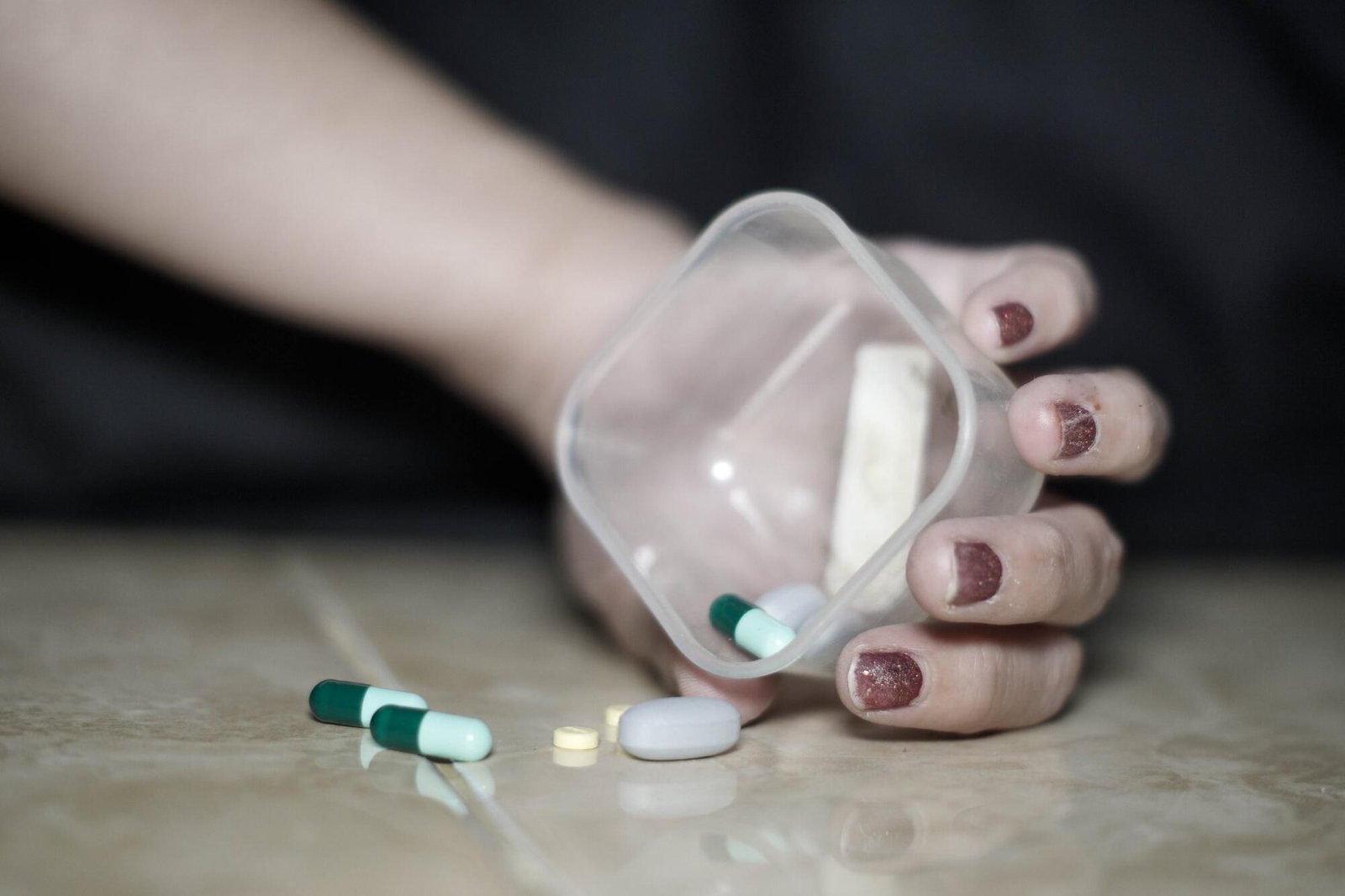
Mental health and addiction are closely linked. When a person struggles with anxiety, depression, trauma, or stress, substance use can feel like a quick escape. But over time, that escape can turn into dependence. The good news is that recovery is possible, and it can start today.
This guide explains mental health and addiction recovery in simple terms. You will learn how these challenges connect, what signs to watch for, and what steps can help people heal. If you are seeking help for yourself or someone you love, this guide can give you a clear place to start.
Understanding the Link Between Mental Health and Addiction
Mental health problems and substance use disorders often happen together. This is sometimes called a co-occurring disorder or dual diagnosis.
A person may use alcohol or drugs to numb emotional pain. At first, it may seem to help. Later, substance use often makes symptoms worse. Sleep gets worse. Mood swings increase. Relationships suffer. Work and daily routines become harder to manage.
Addiction can also lead to mental health symptoms, even in people who did not struggle before. Heavy use can trigger anxiety, panic, depression, and paranoia. This creates a cycle that is hard to break without support.
When treatment addresses both mental health and addiction together, outcomes are usually better. Healing one part while ignoring the other often leads to relapse or emotional setbacks.
Common Mental Health Conditions in Recovery
Many people in recovery face one or more mental health conditions. Knowing the most common ones can help families and individuals respond with care instead of shame.
Depression
Depression can bring low energy, sadness, hopelessness, and loss of interest in daily life. A person may sleep too much or too little, feel isolated, or have trouble focusing. Substance use may start as a way to cope with this pain.
Anxiety Disorders
Anxiety can show up as constant worry, panic attacks, restlessness, and physical tension. Some people use alcohol, sedatives, or other drugs to calm these feelings, but this can increase anxiety over time.
Trauma and PTSD
Past trauma is common in people with addiction. Traumatic experiences can leave deep emotional wounds. Flashbacks, fear, and emotional numbness can make daily life feel unsafe. Trauma-informed care is key for long-term recovery.
Bipolar Disorder
Bipolar disorder includes periods of depression and periods of very high energy or mood. During mood highs, a person may take risks and use substances. Stable treatment can help reduce risk and support recovery.
Signs That Someone May Need Help
Many families ask, “How do I know if it is serious?” Warning signs can be emotional, physical, and behavioral.
- Mood swings or strong irritability
- Pulling away from friends and family
- Changes in sleep or appetite
- Trouble at work, school, or home
- Secretive behavior or lying
- Using substances to cope with stress
If these signs appear often, early support matters. Reaching out quickly can prevent deeper harm.
Why Integrated Treatment Works Best
Integrated treatment means mental health and addiction are treated at the same time by one coordinated team. This approach helps people understand the full picture of their health.
For example, a person with anxiety and alcohol use disorder may need therapy for worry patterns, skills for stress, and support for alcohol cravings. Treating only the drinking or only the anxiety is often not enough.
Integrated care may include:
- Medical and psychiatric assessment
- Individual counseling
- Group therapy
- Medication management when needed
- Family support sessions
- Recovery coaching and relapse planning
A trusted center like Kiwi Recovery can help people find a care path that fits their needs, goals, and pace.
Types of Treatment and Support Options
There is no one-size-fits-all plan. People recover in different ways. The right level of care depends on symptoms, safety needs, and home support.
Detox Services
Detox helps the body clear substances safely. Medical supervision is important because withdrawal from some substances can be dangerous. Detox is often the first step, not the final step.
Inpatient or Residential Treatment
Residential care offers a structured environment away from daily triggers. It is helpful for people who need strong support, safety, and routine while starting recovery.
Outpatient Programs
Outpatient care allows people to live at home while attending treatment sessions. It can include standard outpatient therapy or intensive outpatient programs. This option works well for many people with stable housing and support.
Therapy and Counseling
Evidence-based therapy can help people change harmful patterns and build healthy coping tools. Common approaches include:
- Cognitive Behavioral Therapy (CBT)
- Dialectical Behavior Therapy (DBT)
- Motivational Interviewing
- Trauma-focused therapies
Medication Support
Some people benefit from medication for depression, anxiety, cravings, or withdrawal symptoms. Medication can be a helpful part of a larger treatment plan.
Peer and Community Support
Support groups provide connection, understanding, and accountability. Hearing from others in recovery can reduce shame and increase hope.
The Role of Family in Recovery
Family support can make a major difference. Loved ones cannot do recovery for someone, but they can create a safer and more supportive environment. Families can help by:
- Learning about addiction and mental health
- Using calm, respectful communication
- Avoiding blame and shame
- Encouraging treatment and follow-through
- Joining family therapy or support groups
- Setting healthy boundaries
It is also important for family members to care for themselves. Supporting a loved one can be emotionally draining. Self-care helps families stay strong and steady.
Relapse: What It Means and How to Respond
Relapse can happen, and it does not mean failure. Recovery is often a long process with ups and downs. A return to use is a signal that the treatment plan may need adjustment. Common relapse triggers include:
- High stress or unresolved trauma
- Isolation and loneliness
- Sleep problems and poor self-care
- Conflict in relationships
- Exposure to old environments
- Untreated mental health symptoms
The goal is to respond early, learn from the setback, and continue forward.
When to Seek Immediate Help
Some situations need urgent support. If a person has thoughts of self-harm, overdose risk, severe withdrawal symptoms, or danger to others, seek emergency care right away.
You do not need to wait for a “rock bottom” moment. Early help is often safer, easier, and more effective.
Healing Is Possible with the Right Support
Mental health and addiction recovery are a journey of healing, not a single event. With the right treatment, support, and daily tools, people can rebuild stability, trust, and hope. Recovery may feel hard at times, but each step forward matters.
If you or someone you care about is struggling, reach out today. Remember, help is available, and lasting recovery is possible.
Ready to learn more? Start with our newest posts today!

Rao Waqas is a passionate content writer who crafts engaging and insightful articles across diverse topics, helping readers stay informed and inspired.