
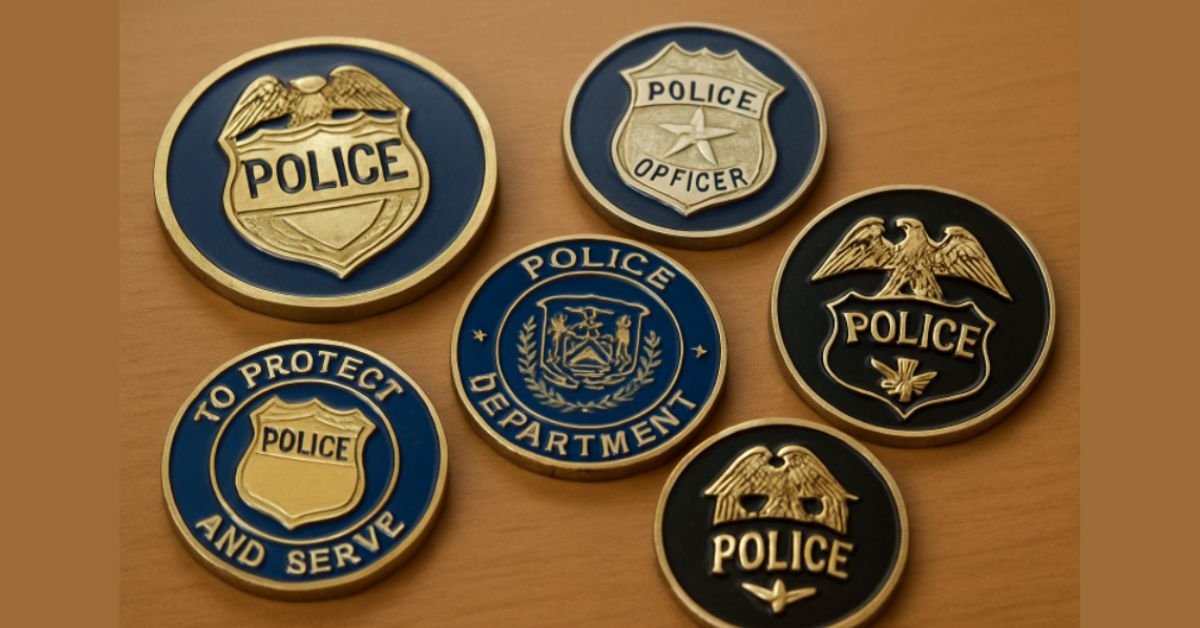
Law enforcement challenge coins are enduring symbols within police departments, encapsulating values of camaraderie, achievement, and mutual respect. These tokens, often exchanged among officers and their supporters, signify remarkable milestones and foster a powerful sense of belonging that can endure throughout an officer’s entire career. The tradition of police challenge coins has evolved over generations, and what once started as subtle gestures among peers now stands as a central part of law enforcement culture. Not only do these coins highlight major accomplishments, but they also serve quietly in the background of everyday interactions, reinforcing mutual trust and loyalty. Their presence preserves stories and memories, linking recruits and veterans to a legacy that continues to shape the profession.
Deeply rooted in history and ceremony, challenge coins now bridge the gap between past and present, binding officers together in times of triumph and tribute. For many officers, receiving a challenge coin is not merely an award but an affirmation of their commitment to a cause greater than themselves. As both keepsakes and tools for recognition, these coins connect departments, mark individual accomplishments, and unite law enforcement communities across the country. The simple act of giving or receiving a coin can become a profound moment of connection, gratitude, or remembrance, reinforcing the sense of purpose that drives dedicated public service.
Origins of Challenge Coins
Challenge coins trace their origins to the trenches of World War I, where American military personnel used them as tokens of identity and morale. Officers who carried these coins demonstrated loyalty and could immediately prove their membership in a unit. Veterans who later joined police departments brought this unifying tradition with them, adapting the concept to honor service, brotherhood, and achievement within the law enforcement community. Over the years, what began as a military tradition found fertile ground within public safety circles as well, with each organization adapting the challenge coin to reflect its own unique values. This ritual of recognition, involving handing over a coin in a firm handshake or in a formal ceremony, became a cherished method for supervisors to commend team members or for colleagues to celebrate milestones together. As time passed, this practice helped establish a sense of continuity, linking modern officers to those who previously served and strengthening the collective spirit of public service.
Significance in Law Enforcement
In contemporary policing, challenge coins carry a multitude of meanings, becoming much more than just decorative items. They play a vital role in conveying appreciation and acknowledging achievements in ways that resonate on both personal and professional levels:
- Recognition of Service: Officers are often awarded coins for graduating from the academy, earning promotions, or demonstrating exceptional bravery in the field. This visible acknowledgement from leaders or peers helps to affirm personal commitment and professional growth, making each milestone memorable.
- Fostering Unit Cohesion: Specialized units such as SWAT teams, K9 handlers, or detectives frequently design their own coins to strengthen identity and team bonds. These unique coins help to create a shared sense of pride and unity within smaller groups, reinforcing the solidarity that is essential in high-stress or specialized fields of law enforcement.
- Memorialization: Many coins are minted to commemorate the lives and sacrifices of fallen officers, serving as enduring markers of respect and remembrance. Officers and family members cherish these coins, often keeping them close as symbols of honor and legacy.
These meaningful tokens are sometimes used beyond the force, symbolizing partnership and mutual respect when exchanged with allied agencies or community leaders. This exchange has expanded into the public sector, where civic officials, local business leaders, and even supportive civilians may be honored for their collaboration with law enforcement by receiving a challenge coin. Celebrating decades of tradition, organizations such as the National Policing Institute continue to use challenge coins to unite supporters and recognize ongoing service to the profession. Such tokens extend gratitude and recognition far beyond a single badge or department, reinforcing respectful ties across communities.
Design and Customization
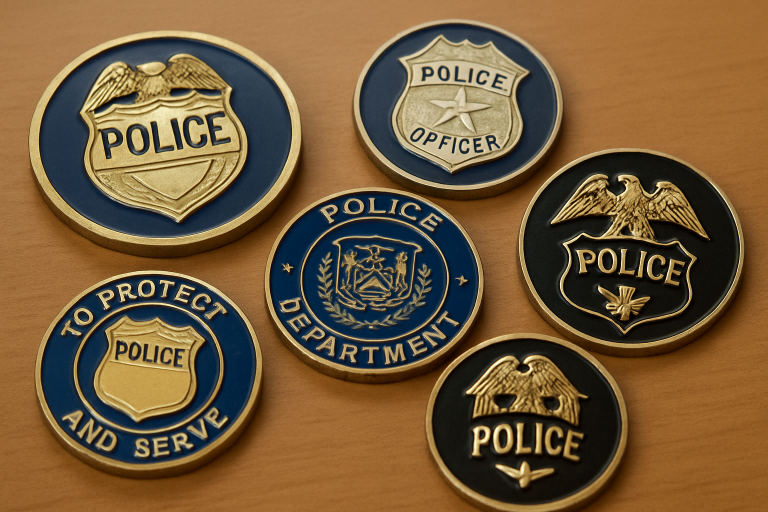
The visual appeal of challenge coins lies in their intricate and highly personalized designs. Modern coin-making techniques allow for remarkable customization, ensuring that each coin embodies the distinct identity of its issuing organization:
- Department Insignia: Official badges, shields, or bespoke logos representing individual police departments. The inclusion of such insignia enhances the sense of legitimacy and lineage.
- Phrases and Symbols: Mottos, dates, or iconic imagery that embody departmental values and mission statements. These elements serve as reminders of the guiding principles that officers pledge to uphold.
- Personal Touch: Custom engravings such as names, badge numbers, or commendations recognize stand-out individual contributions, making coins personal keepsakes as well as public honors.
Today’s challenge coins often feature 3D sculpting, vibrant enamel, intricate edgework, and even dual finishes, making them prized possessions and reminders of shared commitment. Technologies like laser engraving and precision casting have broadened the artistic and commemorative possibilities, enabling greater creative freedom and greater detail. The thoughtful balance of symbolism and aesthetics ensures every coin remains meaningful, whether displayed on a shelf, worn on a lanyard, or stowed in a pocket for luck and motivation.
Modern Applications
While tradition remains essential, challenge coins have also evolved to address new needs and outreach opportunities. Today, their practical uses span several impactful realms, making them relevant for the changing landscape of public safety:
- Community Engagement: Police departments now share coins at public events or school visits, fostering goodwill and strengthening bonds with citizens. Through this practice, officers can educate the public about their work while building relationships grounded in trust and mutual respect.
- Fundraising: Special editions help raise money for officer memorial funds, victim support initiatives, or community outreach projects. These commemorative coins are sometimes sold to the public, giving supporters a tangible way to help while also raising awareness about important causes.
- Interagency Partnerships: During significant joint operations or conferences, coins are exchanged as a mark of mutual respect and collaboration. This fosters unity between different branches of law enforcement and symbolizes a shared commitment to public safety and problem-solving.
Notably, organizations like 3Si Security Systems have celebrated exemplary teamwork by hosting ceremonies to honor officers from multiple agencies and present them with special coins. Such events provide moments of public recognition and inspire cooperation across city, state, and even federal jurisdictions, reinforcing the interconnected nature of law enforcement efforts.
For further insights into the evolving role of law enforcement in the community, The Atlantic provides in-depth analysis of police culture and reform efforts, offering thoughtful perspectives on the changing expectations and responsibilities placed on today’s officers.
Collecting and Preserving Challenge Coins
Collecting challenge coins has become a popular pursuit not only among active and retired officers but also among the public and coin enthusiasts. For collectors, each coin encapsulates a specific moment in time or a unique aspect of law enforcement culture. Proper storage and care are critical to preserving the historic value and appearance of each piece, helping ensure that future generations experience the same sense of respect.
- Display Cases: Specialized cases keep coins safe from dust and accidental handling, enabling attractive visual displays. These cases can serve as conversation starters in offices or homes, inviting stories and memories to be shared.
- Record Keeping: Documenting the story, context, and recipient of each coin helps maintain historical accuracy and significance, adding depth to collections and aiding future researchers or family members in understanding the meaning behind each piece.
- Cleaning and Care: Using non-abrasive methods and soft cloths prevents coins from tarnishing or losing their finish, preserving their beauty without diminishing their authenticity or sentimental value.
Collections often evolve into powerful storytelling tools, capturing snapshots of local police history and personal achievement for future generations. For some, coins become cherished family heirlooms, passed down to honor ongoing commitment and collective memory.
Conclusion
Challenge coins pervade law enforcement as distinct markers of unity, bravery, and shared tradition. Their evolution from military heritage to police custom highlights the importance of honor, recognition, and collaboration at every level of law enforcement. Whether exchanged after a heroic act, presented at a public ceremony, or cherished in a display case, these coins remain a meaningful testament to service and community across the nation. As challenges and opportunities in law enforcement continue to evolve, the tradition of challenge coins is likely to endure, ensuring that the values they stand for remain at the heart of service and sacrifice.

Ethan Cole is a passionate blogger at Aldalive.com, sharing fresh ideas and engaging content on lifestyle, technology, and everyday trends. With a love for writing and exploring new topics, Ethan aims to make information simple, useful, and inspiring for readers worldwide.