
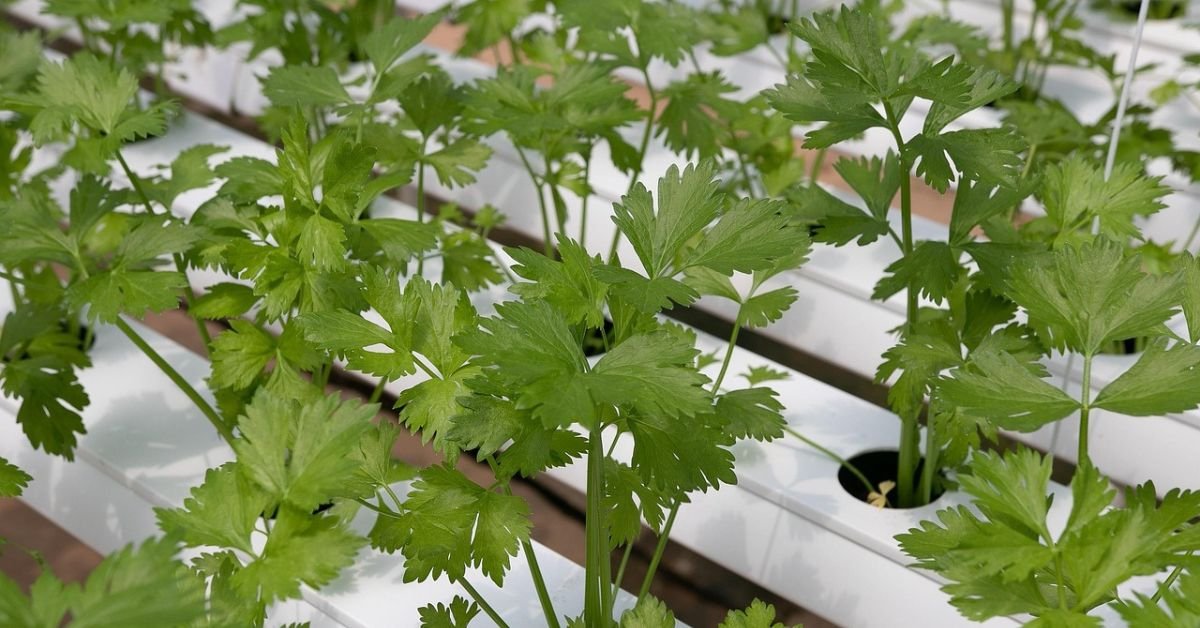
Koriandri is one of the world’s most versatile plants a single species, Coriandrum sativum, that produces two completely different flavours and goes by dozens of names across the globe. Whether you call it coriander, cilantro, dhania, or Chinese parsley, this ancient herb has been flavouring food for over 8,000 years. In this guide, you will discover everything about koriandri: its origins, health benefits, culinary uses, simple recipes, and how to grow it at home.
What is Koriandri? Unpacking the Plant’s Identity
Botanical Background and Origins
Koriandri (Coriandrum sativum) is an annual flowering herb belonging to the Apiaceae family the same plant family as cumin, fennel, and dill. The plant grows up to 50 cm tall, producing delicate, lacy leaves near the base and finely divided upper leaves. It produces small white or pale pink flowers arranged in umbrella-like clusters called umbels, which develop into round, ribbed seeds.
The origins of koriandri trace back at least 8,000 years to the Mediterranean and Near East regions. Coriander seeds have been discovered in Egyptian tombs, including that of Tutankhamun, and ancient Sanskrit texts reference its medicinal use. The Romans carried it throughout Europe, and Arab traders spread it along the Silk Road to Asia, cementing its status as a truly global herb.
A Global Herb by Many Names
One of the most confusing things about koriandri is its many names and the fact that different names can refer to different parts of the same plant. The table below clarifies the most common terms:
| Name | Region | Refers To | Language/Origin |
| Coriander | UK, Australia, India | Whole plant / seeds | Latin |
| Cilantro | USA, Mexico, Latin America | Fresh leaves/stems | Spanish |
| Dhania | India, South Africa | Whole plant | Hindi/Urdu |
| Chinese Parsley | Southeast Asia | Fresh leaves | English (regional) |
| Koriandri | Georgia (country) | Whole plant | Georgian |
There is also a fascinating genetic explanation for why roughly 4–14% of people perceive fresh cilantro as tasting like soap. These individuals carry a variation in the OR6A2 olfactory-receptor gene, which makes them acutely sensitive to the naturally occurring aldehyde compounds in the leaves. For the majority of people, however, the aroma is bright, citrusy, and deeply appealing.
The Health & Nutritional Power of Koriandri
Packed with Essential Nutrients
Despite being used in small quantities, koriandri is nutritionally dense. Fresh coriander leaves are an excellent source of:
- Vitamin K essential for blood clotting and bone health
- Vitamin A supports vision, immune function, and skin health
- Vitamin C a powerful antioxidant that boosts immune defence
- Iron important for red blood cell production and energy
- Magnesium supports muscle and nerve function
Coriander seeds, meanwhile, are rich in dietary fibre, calcium, and beneficial plant compounds including terpinene and quercetin. Both the leaves and seeds are low in calories, making them an ideal flavour-boosting ingredient in any diet.
Science-Backed Health Benefits
Modern research has identified a range of potential health benefits associated with regular consumption of koriandri:
Heart Health: Studies suggest that coriander may help reduce LDL (bad) cholesterol and triglyceride levels while supporting healthy blood pressure, reducing the risk of cardiovascular disease.
Digestive Support: Koriandri has long been used in traditional medicine to ease bloating, gas, and indigestion. Research indicates its essential oils may help relax intestinal muscle spasms, offering relief for those with IBS.
Anti-Inflammatory Properties: The antioxidants quercetin and terpinene found in coriander help neutralise free radicals and reduce inflammation throughout the body, which may lower the risk of chronic disease.
Blood Sugar Regulation: Some animal studies have shown that coriander seed extract may promote enzyme activity that helps lower blood sugar levels, though human research is still ongoing.
Diuretic & Detoxifying: Coriander acts as a mild natural diuretic, supporting kidney function and helping to flush excess sodium from the body.
Note: Always consult your doctor before using koriandri for therapeutic purposes, especially if you take blood pressure or blood sugar medication, as interactions are possible.
Mastering Koriandri in the Kitchen
Cooking with Fresh Cilantro (The Leaves)
Fresh cilantro leaves are delicate and should almost always be added raw or right at the end of cooking. Heat destroys the volatile compounds responsible for their bright, citrusy aroma. Here is how to use them well:
- Mexican & Tex-Mex: Stir generously into salsa, guacamole, and tacos. Add to rice dishes and soups as a fresh garnish.
- South Asian: Use in chutneys, raitas, and as a finishing herb for curries, dals, and biryanis.
- Vietnamese & Thai: Add to pho, spring rolls, and noodle salads for fragrant freshness.
- Middle Eastern: Mix into tabbouleh-style salads, drizzle as a herb oil, or blend into chermoula sauce.
The stems of the coriander plant are also edible and pack concentrated flavour chop them finely and add to marinades or stir-fries. Even the roots are used in Thai cuisine, pounded into curry pastes for deep, earthy coriander flavour.
Cooking with Coriander Seeds (The Spice)
Coriander seeds have a completely different flavour profile from the fresh leaves warm, nutty, and mildly citrusy with a gentle spice. They are one of the world’s most important spices and form the backbone of numerous spice blends:
- Garam Masala & Curry Powder: Coriander seeds are almost always a key ingredient in these foundational Indian spice blends.
- Pickling Brines: Whole coriander seeds are classic in pickling spice mixes for cucumbers, beets, and more.
- Spice Rubs: Ground coriander pairs beautifully with cumin, paprika, and garlic in dry rubs for meat and fish.
- Bread & Baking: Used across Eastern Europe and the Middle East to flavour rustic breads and pastries.
- Gin & Craft Spirits: Coriander seeds are a primary botanical in many classic London Dry gins.
Pro tip: To unlock the full aroma of whole coriander seeds, toast them in a dry pan over medium heat for 60–90 seconds until fragrant, then grind in a spice grinder or mortar. This step makes a dramatic difference to the final flavour.
3 Simple Recipes to Get You Started
Recipe 1: 5-Minute Cilantro-Mint Chutney
This vibrant green chutney is a staple of Indian cooking perfect as a dip, sandwich spread, or sauce for grilled meats.
Ingredients:
- 1 large bunch of fresh cilantro (leaves and tender stems)
- 1/2 cup fresh mint leaves
- 1 small green chilli (deseeded for mild heat)
- 2 tablespoons lemon juice
- 1 garlic clove
- 1/2 teaspoon cumin seeds
- Salt to taste
- 3–4 tablespoons water
Method:
- Combine all ingredients in a blender.
- Blend until smooth, adding water as needed to achieve a pourable consistency.
- Taste and adjust salt and lemon juice. Serve immediately or refrigerate for up to 3 days.
Recipe 2: Perfect Cilantro-Lime Rice
Inspired by the famous Chipotle-style rice, this fragrant side dish takes plain rice to another level.
Ingredients:
- 2 cups long-grain white rice, rinsed
- 3 cups water or light vegetable broth
- Juice of 2 limes
- 1/2 cup fresh cilantro, finely chopped
- 1 tablespoon olive oil
- 1 teaspoon salt
Method:
- Bring water/broth to a boil. Add rice, olive oil, and salt. Reduce heat, cover, and simmer for 15 minutes.
- Remove from heat and let sit, covered, for 5 minutes.
- Fluff with a fork. Stir in lime juice and cilantro. Serve warm.
Recipe 3: Warm Toasted Coriander & Cumin Chicken
A simple, aromatic spice rub that transforms everyday chicken into something extraordinary.
Ingredients:
- 4 chicken thighs, bone-in
- 2 teaspoons ground coriander (toasted and freshly ground is best)
- 1 teaspoon ground cumin
- 1 teaspoon smoked paprika
- 1/2 teaspoon garlic powder
- 1/2 teaspoon salt
- 2 tablespoons olive oil
- Juice of 1 lemon
- Fresh cilantro to garnish
Method:
- Mix all spices together. Coat chicken thighs thoroughly with the spice mixture and olive oil. Marinate for at least 30 minutes (or overnight in the fridge).
- Roast at 200°C (400°F) for 35–40 minutes until golden and cooked through.
- Squeeze lemon juice over the top and scatter with fresh cilantro before serving.

A Gardener’s Guide: Growing Your Own Koriandri
Planting from Seed: A Step-by-Step Guide
Koriandri is one of the easiest herbs to grow at home, thriving in both garden beds and containers. Here is how to get started:
- Choose a location: Coriander prefers full sun to light shade and temperatures between 15–25°C. It will bolt (go to seed) quickly in extreme heat.
- Prepare the soil: Use well-draining, moderately fertile soil with a neutral pH. Add compost if your soil is heavy clay.
- Sow the seeds: Crush the round seed casing slightly (each casing contains two seeds) and sow directly into the ground or a deep pot. Space seeds 2–3 cm apart, 1 cm deep.
- Water consistently: Keep the soil moist but never waterlogged. Germination occurs within 7–14 days.
- Succession planting: Sow a new batch every 2–3 weeks for a continuous supply of fresh leaves throughout the growing season.
Look for slow-bolt varieties such as ‘Leisure’ or ‘Santo’ if you want a longer leaf harvest before the plant flowers.
Harvesting Leaves & Seeds
For leaves (cilantro): Begin harvesting once the plant reaches 15 cm tall. Snip outer leaves and stems with scissors, never removing more than one-third of the plant at once. This encourages bushier, more productive growth.
For seeds: Allow the plant to flower and set seed. Once the seed heads turn from green to light brown, cut the entire stem and hang it upside down in a paper bag in a dry, well-ventilated space. After one to two weeks, the dry seeds will fall into the bag. Store in an airtight jar they will remain potent for up to two years.
Buying, Storing & Substituting Koriandri
How to Choose Quality Koriandri
Fresh cilantro: Look for vibrant, deep green leaves with no yellowing or wilting. Stems should be firm and upright. Avoid bunches with slimy or bruised leaves these are past their best. A strong, fresh aroma is the best indicator of quality.
Coriander seeds: Choose whole seeds over pre-ground wherever possible. Whole seeds retain their aromatic oils far longer. When buying ground coriander, check the packaging date and choose a product with a strong, warm scent stale ground coriander smells dusty or faint.
Storage Life Hacks
- Fresh cilantro in the fridge: Trim the stems and place the bunch in a glass of water like fresh flowers. Cover loosely with a plastic bag and refrigerate. This method keeps cilantro fresh for up to two weeks.
- Freezing cilantro: Blend or chop fresh cilantro and fill an ice cube tray with the herb and a little water or olive oil. Freeze, then transfer to a freezer bag. Drop frozen cubes directly into curries, soups, and sauces no defrosting needed.
- Whole coriander seeds: Store in an airtight container away from heat and light. They will stay fresh for 2–3 years.
- Ground coriander: Use within 6–12 months for maximum flavour. Grind your own from whole seeds for the best results.
Best Substitutes for Fresh Cilantro
If you have run out of fresh cilantro or are cooking for someone who dislikes it, here are the best alternatives:
- Flat-leaf parsley: The closest visual substitute, with a mild, fresh flavour. Lacks the citrusy quality of cilantro but works well in most dishes.
- Thai basil: Offers a similar fragrant, slightly sweet freshness in Southeast Asian dishes.
- Culantro (Eryngium foetidum): A close relative used across the Caribbean and Southeast Asia with a more intense, similar flavour.
- A mix of parsley + lime zest: Chop parsley finely and add fresh lime zest to approximate the bright citrus notes of cilantro.
Potential Side Effects and Precautions
For the vast majority of people, koriandri is completely safe and beneficial when consumed as a food ingredient. However, there are a few precautions to be aware of:
- Allergies: Coriander belongs to the Apiaceae family. People with known allergies to related plants (such as celery, caraway, dill, or fennel) may also react to coriander. Symptoms can include skin irritation, hives, or digestive upset.
- Photosensitivity: In rare cases, skin contact with fresh coriander juice followed by sun exposure may cause a mild phototoxic reaction. Wash hands after handling large quantities.
- Blood sugar interaction: Coriander may have a mild blood-sugar-lowering effect. Those on diabetes medication should monitor their levels and consult a doctor if consuming large quantities regularly.
- Blood pressure medication: Due to its mild diuretic properties, high doses of coriander supplements (not culinary quantities) could potentially interact with blood pressure medications.
As always, culinary use of koriandri in normal food quantities is considered safe for almost all adults. Consult a healthcare professional if you have concerns.

Frequently Asked Questions About Koriandri
Is koriandri the same as coriander?
Yes koriandri is the Georgian (country of Georgia) name for the same plant, Coriandrum sativum. Both names refer to the same species.
What is the difference between cilantro and coriander?
They are the same plant. In North America and Latin America, ‘cilantro’ refers to the fresh leaves and stems, while ‘coriander’ refers to the dried seeds. In the UK, India, and most of the world, the entire plant and its seeds are called coriander.
Why does cilantro taste like soap to some people?
Approximately 4–14% of people carry a variant of the OR6A2 gene, which makes them highly sensitive to aldehyde compounds naturally present in cilantro leaves. To these individuals, those compounds smell identical to soap or detergent.
Can I use coriander seeds and fresh cilantro interchangeably?
No they have entirely different flavour profiles. Ground coriander seed (warm, nutty, citrusy) cannot substitute for fresh cilantro (bright, pungent, floral), and vice versa. Use them for the purpose the recipe specifies.
What is dhania called in English?
Dhania is the Hindi/Urdu word for coriander. In English, it is called coriander (UK) or cilantro (USA).
Conclusion
From ancient Egyptian tombs to modern Michelin-starred kitchens, koriandri (coriander) has earned its place as one of humanity’s most beloved and versatile plants. Its dual personality bright, citrusy fresh leaves and warm, aromatic dried seeds gives you two flavour dimensions from a single plant.
Whether you are blending a vibrant green chutney, building a complex curry paste, roasting a spice-rubbed chicken, or simply scattering fresh leaves over a bowl of soup, mastering koriandri will transform your cooking. And if you grow it yourself, you will have a fresh, continuous supply that costs almost nothing and connects you to a 8,000-year tradition of flavour.
Start with the three recipes in this guide, experiment with toasting and grinding your own coriander seeds, and explore the rich culinary cultures from India to Mexico to the Middle East that have made koriandri indispensable for millennia.
CLICK HERE FOR MORE BLOG POSTS

John Authers is a seasoned and respected writer whose work reflects the tone, clarity, and emotional intelligence that readers value in 2025. His writing blends deep insight with a natural, human voice—making complex ideas feel relatable and engaging. Every piece he crafts feels thoughtful, original, and genuinely worth reading.