
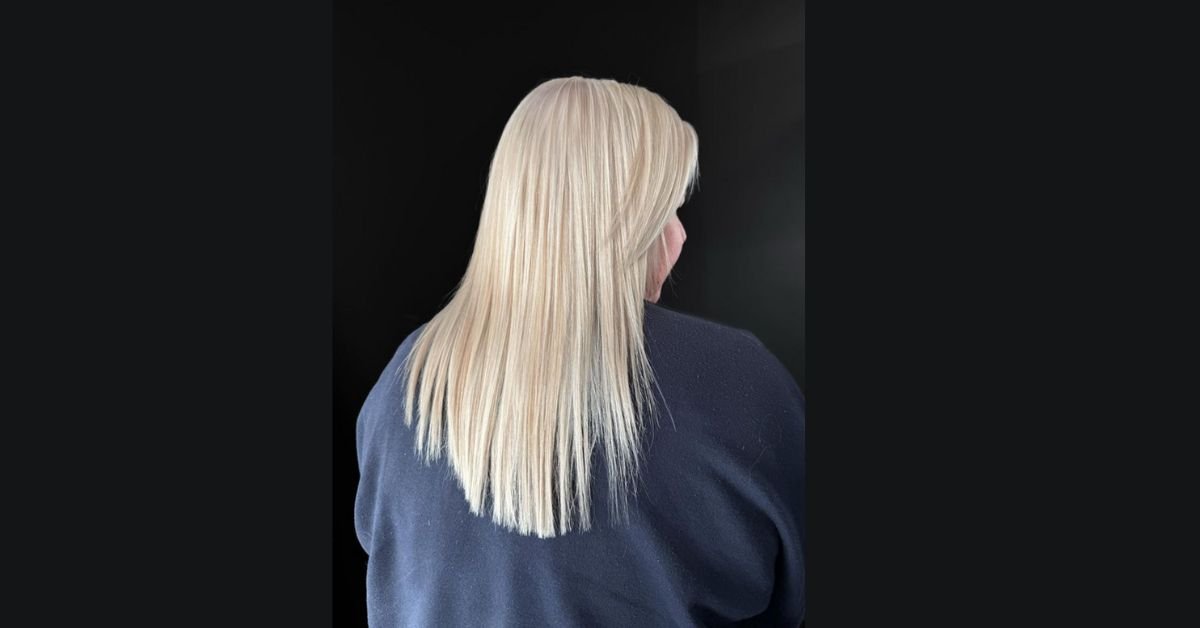
Have you just bleached your hair and noticed it feels like straw? You’re not alone. Bleaching can transform your look, but it also puts your hair through a chemical marathon that leaves it crying out for help.
The good news? Your hair doesn’t have to stay damaged forever. With the right care routine and some patience, you can nurse your bleached locks back to health. Think of this as your hair’s rehabilitation program – one that will have you running your fingers through soft, strong strands again.
Let’s walk through exactly what happens when you bleach your hair and how you can fix the damage step by step.
The Impact of Bleaching on Hair
When you bleach your hair, you’re basically setting off tiny chemical explosions inside each strand. The bleaching process uses oxidation to break down something called disulfide bonds in your hair’s inner cortex. These bonds are like the scaffolding that keeps your hair strong and flexible.
Think of your hair like a rope made of tiny fibers. The disulfide bonds hold these fibers together, giving your hair its natural strength and bounce. When bleach breaks these bonds, it’s like cutting some of the threads in that rope – your hair becomes weaker and more likely to snap.
This chemical breakdown doesn’t just affect strength. Your hair loses its natural elasticity, which means it can’t stretch and bounce back like it used to. The result? Hair that breaks easily, feels rough to touch, and looks dull instead of shiny.
Implementing Bond-Building Treatments
Here’s where science comes to your rescue. Bond-building treatments work like tiny repair crews, helping to rebuild those broken disulfide bonds in your hair. These aren’t just fancy marketing terms – they contain real ingredients that can make a difference.
Look for products containing Bis-Aminopropyl Diglycol Dimaleate or peptide complexes. These ingredients act like molecular glue, helping to reconnect broken bonds and strengthen your hair from the inside out. Popular brands like Olaplex and K18 have made these treatments more accessible to home users.
Make bond-building treatments your weekly ritual. Apply them to damp hair, leave for the recommended time, then rinse. You’ll start noticing less breakage in your brush and hair that feels more like its old self. Think of it as physical therapy for your damaged strands.
Adopting a Sulphate-Free and pH-Balanced Cleansing Routine
Your regular shampoo might be doing more harm than good to your freshly bleached hair. Sulphates are harsh detergents that strip away natural oils and can fade your new color faster than you’d like. Your already-compromised hair doesn’t need this extra stress.
Switch to sulphate-free shampoos that clean gently without over-drying. But here’s the part most people miss – pH matters too. Your hair’s natural pH sits around 4.5 to 5.5, which is slightly acidic. Shampoos in this pH range help seal your hair cuticles, locking in moisture and creating that smooth, shiny surface you want.
Check product labels for pH information, or invest in pH strips to test your current products. When your hair cuticles lay flat (thanks to proper pH), your hair reflects light better, looks shinier, and feels smoother to touch.
Prioritizing Weekly Deep Conditioning and Masking
Your bleached hair is thirsty and hungry – thirsty for moisture and hungry for protein. The bleaching process strips away both, leaving your hair in desperate need of intensive care. This is where deep conditioning becomes your best friend. As Kristen, owner at Vibrant Hair Salon in Fredericton, often tells her clients, “bleached hair can survive anything if you feed it the right balance of moisture and protein — consistency is what brings it back to life.”
You need two types of masks in your arsenal: moisture masks and protein masks. Moisture masks contain humectants like glycerin that pull water into your hair shaft. Protein masks with keratin help fill in the gaps where your natural protein was damaged. But here’s the trick – don’t use them at the same time.
Alternate between moisture and protein treatments weekly. One week, pamper your hair with a hydrating mask. The next week, give it a protein boost. This rotation prevents protein overload (which makes hair brittle) while ensuring your strands get both the strength and softness they need.
Reducing and Protecting Against Heat Styling
Your bleached hair is like a delicate fabric that can’t handle high heat anymore. The chemical damage has made each strand more fragile, and heat styling can push it over the edge into breakage territory. But you don’t have to give up styling completely.
When you do use heat tools, never skip the heat protectant. These products create a barrier between your hair and the hot tool, reducing direct damage. Look for protectants that work up to the temperature you’ll be using – some protect up to 400°F, others go higher.
Try to lower your usual heat settings and give your hair heat-free days whenever possible. Air-drying, braiding damp hair for waves, or using foam rollers can give you style without the damage. Your hair will thank you with less breakage and better texture over time.
Incorporating Regular Trims
This might sound counterproductive when you’re trying to grow your hair, but regular trims are actually your secret weapon against damage. Split ends don’t heal themselves – they just keep splitting further up the hair shaft like a run in pantyhose.
Schedule trims every 6-8 weeks, focusing on removing damaged ends. You don’t need to cut off inches each time – even a quarter-inch trim can make a huge difference in how your hair looks and feels. Healthy ends make your entire head of hair look better.
Think of trims as an investment in your hair’s future. By removing damaged ends before they cause more problems, you’re actually helping your hair grow longer and stronger in the long run. Plus, fresh cuts always make your hair look more polished and healthier.
Exploring Additional Treatments
Beyond the basics, several treatments can give your bleached hair extra love. Oil treatments using argan, coconut, or jojoba oil can provide deep hydration and add shine. Apply oil to mid-lengths and ends before shampooing, or use a tiny amount on dry hair for gloss.
Leave-in conditioners become non-negotiable for bleached hair. They provide ongoing protection and moisture throughout the day. Look for lightweight formulas that won’t weigh your hair down but will keep it soft and manageable between washes.
Don’t forget about your scalp, it went through the bleaching process too. Gentle scalp massages with nourishing oils can improve circulation and create a healthy environment for new hair growth. A healthy scalp grows healthier hair, which is exactly what you need right now.
Lifestyle and Diet Considerations
What you eat shows up in your hair health about three months later. Since you’re trying to repair damage, feeding your body the right nutrients can support stronger new growth. Focus on protein-rich foods like eggs, fish, and beans – your hair is made of protein, after all.
Biotin, iron, and omega-3 fatty acids are particularly important for hair health. You’ll find these in foods like salmon, spinach, nuts, and seeds. While supplements can help, getting nutrients from whole foods is usually more effective for your body.
Don’t underestimate the power of water. Staying hydrated helps your body transport nutrients to your hair follicles and keeps your scalp healthy. Aim for at least 8 glasses of water daily, and you might notice your hair feels more supple and looks shinier.
Consulting Professionals
Sometimes DIY care isn’t enough, and that’s okay. Professional stylists and trichologists have access to stronger treatments and can assess your specific hair needs. They can spot problems you might miss and recommend targeted solutions.
Salon treatments like professional bond builders, deep conditioning services, or scalp treatments can jumpstart your hair’s recovery. These are often more concentrated than at-home versions and can provide faster results when your hair needs serious help.
Consider scheduling a consultation even if you plan to do most of your care at home. A professional can evaluate your hair’s condition, recommend the best products for your specific situation, and create a personalized recovery plan that fits your lifestyle and budget.
Your bleached hair journey doesn’t have to end in damage and regret. With patience, the right products, and consistent care, you can have healthy, beautiful hair that you love to show off. Start with these steps today, and give your hair the TLC it deserves.

Ethan Cole is a passionate blogger at Aldalive.com, sharing fresh ideas and engaging content on lifestyle, technology, and everyday trends. With a love for writing and exploring new topics, Ethan aims to make information simple, useful, and inspiring for readers worldwide.