
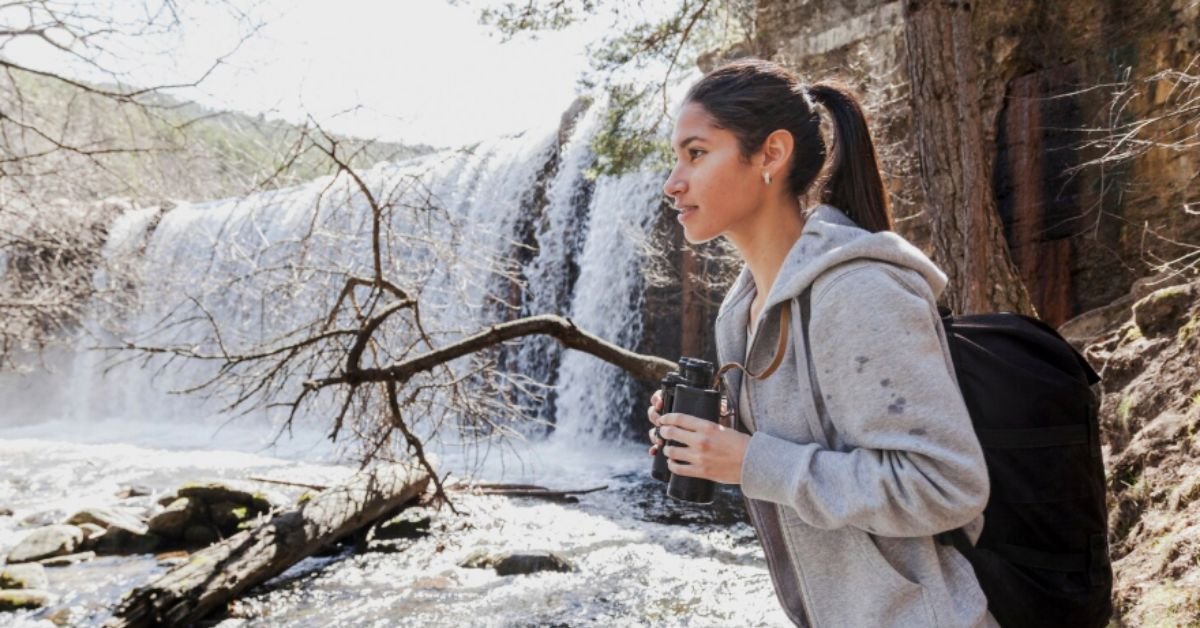
It takes more than just an aesthetic vision to create a stunning water feature in your garden, it needs the right equipment, and waterfall pumps are the core of any captivating aquatic landscape. Visualize the conversion of your outside area into a peaceful oasis where water flows beautifully, thus producing the movement and sound symphony. The solution is in the choice of the best waterfall pump that not only fulfills your design requirements but also provides the optimum performance and durability for a long time. The result of this thorough guide will be to assist you in the complicated process of selecting the right waterfall pump thus making your garden a stunning place that will attract the envy of your neighborhood.
Understanding the Different Types of Waterfall Pumps
There are numerous pump options that water feature fans may choose from, and each of them has different features that are designed for specific garden layouts. A submersible pump is a typical selection that can be found in most cases, as it is intended to work underwater completely, thus it is the most suitable for small water features such as a backyard pond or a small waterfall. These pumps are quiet most of the time, simple to install, and do not require more than a little maintenance. On the other hand, external pumps are placed outside the water feature, thus, they are capable of producing higher power output and are more efficient than the internal ones in the case of larger water features. Besides, solar-powered pumps have become popular among gardeners who care for the environment, as they offer an eco-friendly solution that lowers the electricity bill while water circulation is maintained.
Calculating the Right Pump Size for Your Waterfall
Choosing the right size of the pump requires detailed mathematical calculations and taking into account the exact dimensions of your water feature. Landscapers that are experts in the field advise you to measure the height of your waterfall and calculate the total water volume to be able to find out the necessary pump capacity. So, for each vertical foot of your waterfall height, you will need around 100 gallons per hour of pump capacity. Additionally, think of the width of your waterfall spillway as well—wider spillways need more flow rates to become a steady, visually attractive water sheet.
Experts usually advise you to multiply the spillway width by 20 to get the minimum number of gallons per hour needed. Elaborate water features with several levels or complex designs may need more advanced methods of pump selection and thus consulting with the experts in landscape design may be the solution.
Energy Efficiency and Flow Rate Considerations
Modern waterfall pumps use remarkable energy-efficient technologies that can drastically reduce their operating costs while still providing excellent performance. Choose pumps that have variable speed settings, so you can regulate the water flow according to your design and the nature of the environment. Consumption of electricity ratings give very important information about the costs of long-term operations. A pump that requires low wattage but has a high output capability is the most energy-saving solution for a gardener. The flow rate becomes another very important parameter, which directly influences the visual and auditory characteristics of your water feature. Lower flow rates will produce soft and harmonious water motions, whereas higher rates will generate more striking and roaring waterfalls. You can think about the overall look of your garden and the particular atmosphere you want to create to decide on the pump features.
Materials and Durability
The elements used in the construction of a waterfall pump decide their lifespan and capability to perform in different surroundings. Stainless steel and corrosion-resistant bronze pumps are the most durable, as they can keep strong in bad weather and possible mineral deposits. Ceramic shaft bearings are steadier and have a longer life as compared to the traditional ones. Also, look for pumps that have strong sealing mechanisms which can seal off the electrical parts from water thereby giving the pump a safe, stable, and long-lasting performance and maintenance will be minimal. Warranties provided by manufacturers are a good indication that they are confident about the quality and lifespan of their product.
Check out the outer housing of the pump for the signs of top-notch manufacturing like the smooth welding and the protective layers. Take into account the temperature and the fact that the pump may be exposed to direct sunlight when you are deciding on the materials.
Maintenance Tips to Keep Your Waterfall Pump Running Smoothly
Regular upkeep will keep your waterfall pump working for a long time and at a stable level. Make it a habit every three months to check, among other things, the condition of the intake-cleaning, the electrical-connection-checking, and the removal of the debris that might have accumulated. Mineral deposits and algae can be prevented if you use the special cleaning solutions that are made for water feature equipment. In the case of winters, it is highly advisable to store the pump after complete draining so that parts do not freeze and get damaged. Once a year, it is better to lubricate the moving parts with the products recommended by the manufacturer so that they do not get worn out and rubbed. You should constantly control water quality as impurities can dissolve the pump faster. Keep a record of maintenance in which you note the cleaning days, observations of the performance, and the presence of any unusual operational characteristics, with which you will be able to solve the problems at an early stage.
Matching Your Pump to Your Garden Design and Feature Style
Integrating your pond waterfall pump with the current landscape design calls for a pretty thorough use of both the aesthetic and functional sides of things. Modern gardens may be well served with slick, minimalist pump designs that have simple lines and subdued profiles. On the other hand, a rustic or naturalistic style of the landscape might be able to take in a heavier, more industrial-style pump which would support the surrounding stone or wooden elements. Think of the visual integration methods as well like the placement of the hide, decorative housing, or the plant life around that can conceal the mechanical parts. Also, the sound features have a significant role—some pumps emit more obvious operational sounds than others. Choose different models to be sure the sound is what you want for your garden and that it fits the rest of the atmosphere.
To close
- Select pump capacity based on waterfall height and spillway width
- Prioritize energy-efficient models with variable speed settings
- Choose corrosion-resistant materials for long-term durability
- Implement consistent maintenance routines
- Match pump design with overall garden aesthetic
- Consider environmental factors like temperature and sunlight exposure
- Evaluate total operational costs beyond initial purchase price

Ethan Cole is a passionate blogger at Aldalive.com, sharing fresh ideas and engaging content on lifestyle, technology, and everyday trends. With a love for writing and exploring new topics, Ethan aims to make information simple, useful, and inspiring for readers worldwide.