
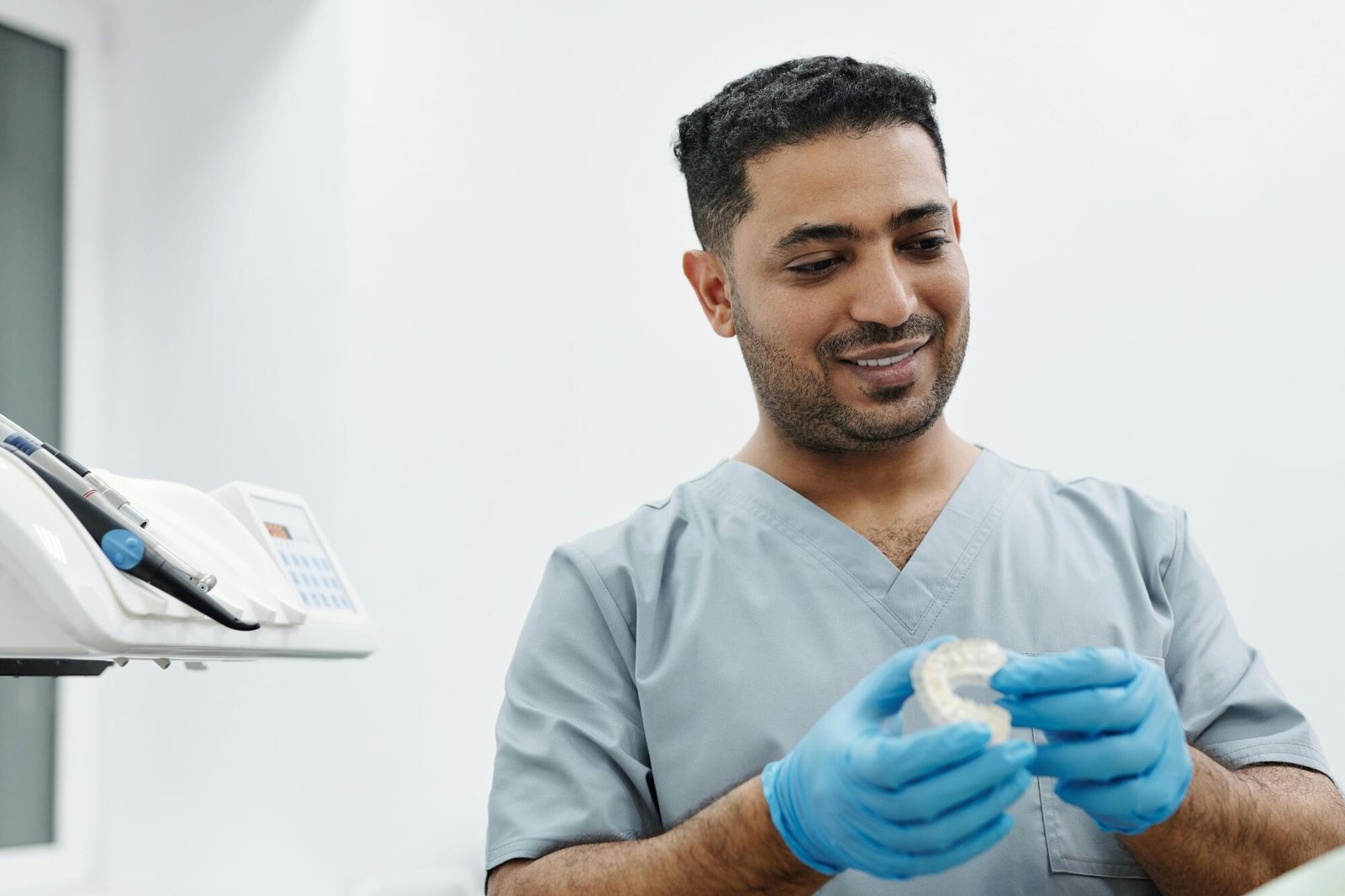
Orthodontic treatment is more than just improving your smile. It plays an important role in your oral health, bite alignment, and overall confidence.
With many options available today, choosing the right treatment can feel overwhelming. The best choice depends on your dental needs, lifestyle, and long-term goals.
This guide will help you understand your options and find the orthodontic solution that works best for you. Keep on reading below.
Why Orthodontic Treatment Matters
Orthodontic treatment helps align teeth, correct bites, and improve overall dental health. Crooked or crowded teeth can make cleaning difficult, leading to tooth decay and gum disease. Misaligned bites can cause jaw pain, uneven wear on teeth, and even headaches.
Correcting these issues early can prevent more complex dental problems in the future. Beyond health benefits, orthodontics also boosts self-confidence. A straighter smile can improve your appearance and how you feel about yourself every day.
Common Orthodontic Options
There are several types of orthodontic treatments. Each has unique features, benefits, and considerations.
Traditional Braces
Traditional braces use metal brackets and wires to gradually move teeth into the correct position. They are highly effective for complex dental issues. Braces can correct crooked teeth, overcrowding, gaps, and bite problems.
While they are visible, braces are strong and precise. Modern options allow smaller brackets and more comfortable wires. They are a reliable choice for children, teens, and adults.
Ceramic Braces
Ceramic braces work like traditional braces but use tooth-colored or clear brackets. They are less noticeable, making them popular among adults who want a more discreet option.
Ceramic braces are slightly more fragile than metal braces, so they require careful maintenance. Despite this, they are effective for many alignment issues and offer a balance between visibility and performance.
Clear Aligners
Clear aligners, such as Invisalign, are removable plastic trays that gradually move teeth. They are nearly invisible, making them an appealing option for adults and teens who prefer a subtle treatment.
Aligners are convenient for eating and cleaning because they can be removed. Treatment requires wearing the aligners consistently, usually 20-22 hours per day. Clear aligners are effective for mild to moderate dental issues, and many patients find them comfortable and flexible.
Lingual Braces
Lingual braces are placed on the inside of the teeth, making them invisible from the outside. They offer the precision of traditional braces while being hidden.
These braces can be harder to clean and may initially affect speech. They are best suited for patients seeking a fully discreet treatment while still addressing complex alignment problems.
Factors to Consider When Choosing Treatment
Choosing the right orthodontic treatment is not just about appearance. Consider these factors to make the best decision:
Dental Needs
The type and severity of your dental issues play a big role in choosing the right treatment. Complex problems like severe crowding, gaps, or bite issues may need traditional or lingual braces. Mild to moderate misalignment can often be treated with clear aligners. Your orthodontist will evaluate your teeth, jaw, and bite to recommend the most effective option for your needs.
Age
Age can also affect which treatment works best. Children and teens usually do well with traditional braces because their teeth and jaws are still growing. Adults may prefer clear aligners or ceramic braces for a more discreet look. However, age alone does not stop treatment from working. Many adults successfully complete orthodontic care using different methods.
Lifestyle and Habits
Your daily routine, hobbies, and habits can influence your choice. Clear aligners let you eat almost anything and make cleaning your teeth easier. Traditional braces may require avoiding hard or sticky foods to prevent damage. Think about your comfort and convenience when choosing a treatment that fits your lifestyle.
Treatment Duration
Different treatments take different amounts of time. Traditional braces often need 18-24 months to fully correct teeth, depending on how complex the case is. Clear aligners can take a similar time, though mild cases may finish in as little as 12 months. Your orthodontist will give an estimated timeline based on your unique needs and progress.
Cost and Insurance
Orthodontic treatments can vary in cost. Metal braces are usually the most affordable. Ceramic and lingual braces tend to cost more, and clear aligners vary depending on the provider and treatment length. Check your insurance to see what is covered, and talk to your orthodontist about payment or financing options.
Comfort and Aesthetics
Comfort matters because it affects how well you follow the treatment plan. Clear aligners are smooth and removable, which reduces irritation. Traditional braces may cause some discomfort, especially after adjustments. You should also think about how noticeable you want your treatment to be. Aesthetics may be more important for adults or anyone concerned about appearance during treatment.
By considering your dental needs, age, lifestyle, treatment duration, cost, and comfort, you can choose an orthodontic solution that fits your life while giving you the best results.
The Role of the Orthodontist
Your orthodontist is a key partner in choosing the right treatment. They can assess your teeth, bite, and jaw structure to recommend the most effective solution. Orthodontists also explain the pros and cons of each option, answer your questions, and guide you through the process.
A consultation allows you to discuss goals, lifestyle, and budget. This ensures that the treatment you choose aligns with your personal needs. Experienced orthodontists provide guidance on maintenance, adjustments, and follow-up care to ensure long-term success.
Preparing for Orthodontic Treatment
Before starting treatment, your orthodontist may recommend a thorough dental cleaning and evaluation. X-rays and impressions of your teeth help create a customized treatment plan.
It is also important to discuss any concerns, such as pain management, dietary adjustments, or activity restrictions. Preparing mentally and physically helps ensure a smoother experience and better outcomes.
Maintaining Oral Health During Treatment
Oral hygiene is very important during orthodontic treatment. Braces or aligners can trap food and plaque, which can increase the risk of cavities and gum disease.
To keep teeth healthy, brush at least twice a day and after meals. Floss daily using orthodontic tools or a water flosser. Using fluoride toothpaste and mouth rinses helps strengthen enamel, and avoiding sticky, hard, or sugary foods protects the device from damage.
Clear aligners can be removed for brushing and flossing, making it easier to maintain good oral hygiene. Regular dental check-ups are also important to ensure that teeth and gums stay healthy throughout the treatment process.
Tracking Progress
Regular check-ups with your orthodontist are very important during treatment. These visits allow the orthodontist to see how your teeth are moving and make any needed adjustments. Tracking progress helps make sure the treatment is working properly and that any problems are fixed quickly.
Most orthodontic treatments require monthly or bi-weekly appointments to keep teeth on track. During these visits, the orthodontist can check the fit of braces or aligners, tighten wires if needed, and answer any questions about comfort or care. Staying on schedule with check-ups also helps prevent delays in treatment and ensures the best results for a healthy, straight smile.
Life After Orthodontic Treatment
After orthodontic treatment, wearing a retainer is usually recommended to keep teeth in their new positions. Retainers prevent teeth from shifting back and help maintain the results achieved during treatment. Depending on your case, the orthodontist may suggest wearing the retainer full-time at first and then only at night later on.
It is also important to keep up with good oral hygiene. Brushing and flossing regularly, along with routine dental check-ups, help protect your teeth and gums. Your orthodontist may schedule follow-up visits to monitor your teeth and make any needed adjustments to the retainer.
A healthy, straight smile can boost confidence, improve bite function, and support overall dental health for many years. Maintaining these habits ensures that your investment in orthodontic treatment lasts a lifetime.
Making the Right Choice
Choosing the right orthodontic treatment depends on multiple factors: dental needs, age, lifestyle, aesthetics, comfort, and budget. Consulting with an experienced orthodontist is the best way to make an informed decision.
Whether you choose traditional braces, ceramic braces, lingual braces, or clear aligners, the goal is the same: a healthy, functional, and confident smile. For many patients, clear aligners offer a flexible, nearly invisible solution that fits well into a busy lifestyle. An experienced provider can help you decide if this option is right for you.
For those looking for a trusted solution, an orthodontic treatment for straightening teeth can provide effective results while fitting your lifestyle and goals. Early evaluation and planning ensure the best possible outcome for your smile and oral health.
Getting the Right Orthodontic Treatment
Orthodontic treatment is a long-term investment in your oral health and confidence. Understanding your options, considering your personal needs, and working closely with an orthodontist will help you find the best solution. From traditional braces to clear aligners, each method has benefits that support a healthy and beautiful smile.
By choosing the right treatment, maintaining good oral hygiene, and attending regular check-ups, you can achieve lasting results. Whether your goal is correcting misalignment, improving bite function, or enhancing aesthetics, the right orthodontic solution will help you reach your dental goals with confidence.
For more related topics, check out the rest of our blog!

Rao Waqas is a passionate content writer who crafts engaging and insightful articles across diverse topics, helping readers stay informed and inspired.