
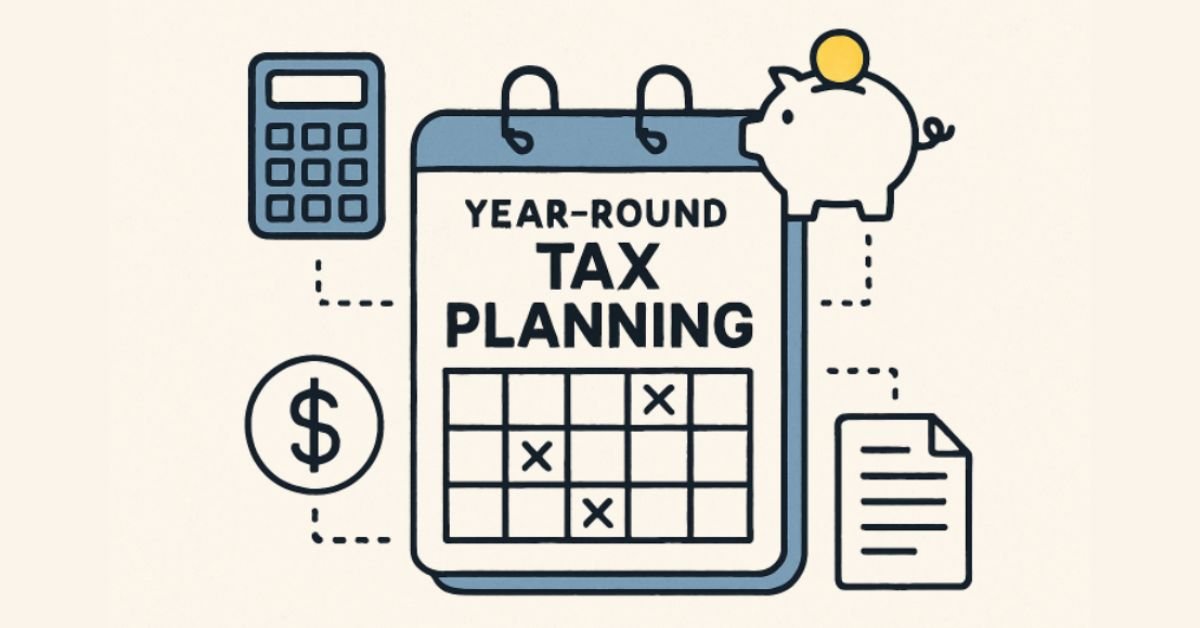
Effective tax planning plays a quiet but important role in overall financial well-being. By understanding how income, deductions, and credits interact, individuals and businesses can make informed decisions that support long-term stability. Rather than focusing solely on filing requirements, a thoughtful approach anticipates future obligations, manages cash flow, and reduces unnecessary tax burdens within legal guidelines. This kind of planning helps align financial choices with personal or organizational goals, creating room for savings, investment, and growth.
Working with reliable financial information and professional insight can make this process clearer and more manageable. For example, guidance from firms such as RMP Accounting can help clarify how changes in tax laws, recordkeeping practices, and the timing of expenses may affect financial outcomes. When tax considerations are integrated into everyday financial decisions, they become a practical tool for maintaining balance, minimizing risk, and supporting healthier financial habits over time.
Understanding Tax Planning
Tax planning is the process of analyzing your overall financial situation to maximize tax efficiency. This involves more than just filing returns or collecting receipts. Strategic tax planning involves anticipating income, purchases, and deductible expenses to maximize savings. It also requires staying on top of available credits, deductions, and other incentives that may apply to your specific circumstances.
Employers, investors, and families can all benefit from a smart tax plan by tracking changes in their lives or the law that could affect their liability. While many people approach their taxes with dread, a strategic outlook turns this process into an opportunity for increased savings and better financial outcomes. The key to success is keeping tax efficiency in mind throughout the year, rather than only in the weeks leading up to tax filing deadlines.
Recent Tax Law Changes
Adapting to tax law changes is essential for ensuring your strategies remain effective. The “One Big Beautiful Bill Act” (OBBBA), signed into law on July 4, 2025, introduced significant reforms impacting individuals and families nationwide. Notably, it enhanced the standard deduction for seniors, increased the federal estate tax exemption, and changed rules governing specific tax-advantaged accounts. These updates create new opportunities and challenges for proactive filers. Familiarizing yourself with them is crucial for maintaining tax efficiency.
Other noteworthy points in the OBBBA include modifications to the way certain credits are calculated for married couples and significant adjustments to eligibility thresholds for popular deductions. Making use of these improvements can help individuals and families retain more of their hard-earned income.
Health Savings Accounts (HSAs)
HSAs offer an outstanding opportunity to save on taxes while planning for healthcare expenses. These accounts allow pre-tax contributions, tax-deferred growth on savings, and tax-free withdrawals for qualified medical expenses. The “triple tax” benefit of HSAs makes them one of the most effective ways to minimize taxes and prepare financially for potential health issues.
Despite these benefits, studies show that many people do not maximize their contributions or use their accounts’ investment capabilities. Selecting the right HSA provider and increasing your annual contributions can boost long-term financial outcomes by reducing tax liability today and helping investments grow for future needs.
Education Savings Plans
Funding education with tax-smart strategies is easier with the improved 529 plan rules. Recent updates expand these plans to cover a broader range of educational expenses, including professional certifications and other nontraditional educational opportunities. Starting in 2026, annual tax-free withdrawals for K–12 educational expenses will double to $20,000 per beneficiary. These enhancements make 529 plans even more appealing for parents, guardians, and grandparents seeking to support a loved one’s education.
By investing early in a 529 plan, families can lock in significant tax-free growth and more flexible withdrawal options. These tools are especially valuable in light of rising education costs, helping to shield family finances from the long-term impact of tuition and other educational expenses.
Proactive Financial Planning
Taking a proactive approach to financial planning extends beyond simply preparing taxes. It involves the ongoing organization of financial records, regularly reviewing major life changes, and understanding how these shifts impact your tax outlook. Life events such as marriage, divorce, job changes, or the birth of a child can significantly affect your tax strategies and opportunities.
Smart financial planning also includes reviewing workplace benefits, charitable contributions, investment accounts, and education savings plans to identify synergies or gaps. Making small adjustments in these areas can yield outsized tax benefits and support overall wealth accumulation.
Conclusion
Building long-term financial health requires more than basic tax compliance; it calls for strategic planning, informed decision-making, and proactive management of changes in the tax landscape. By understanding and leveraging recent legislative updates, using tools like HSAs and 529 plans, and incorporating tax efficiency into your broader financial plan, you can preserve wealth, minimize future tax burdens, and promote lasting financial well-being.
CLICK HERE FOR MORE BLOG POSTS

Ethan Cole is a passionate blogger at Aldalive.com, sharing fresh ideas and engaging content on lifestyle, technology, and everyday trends. With a love for writing and exploring new topics, Ethan aims to make information simple, useful, and inspiring for readers worldwide.