
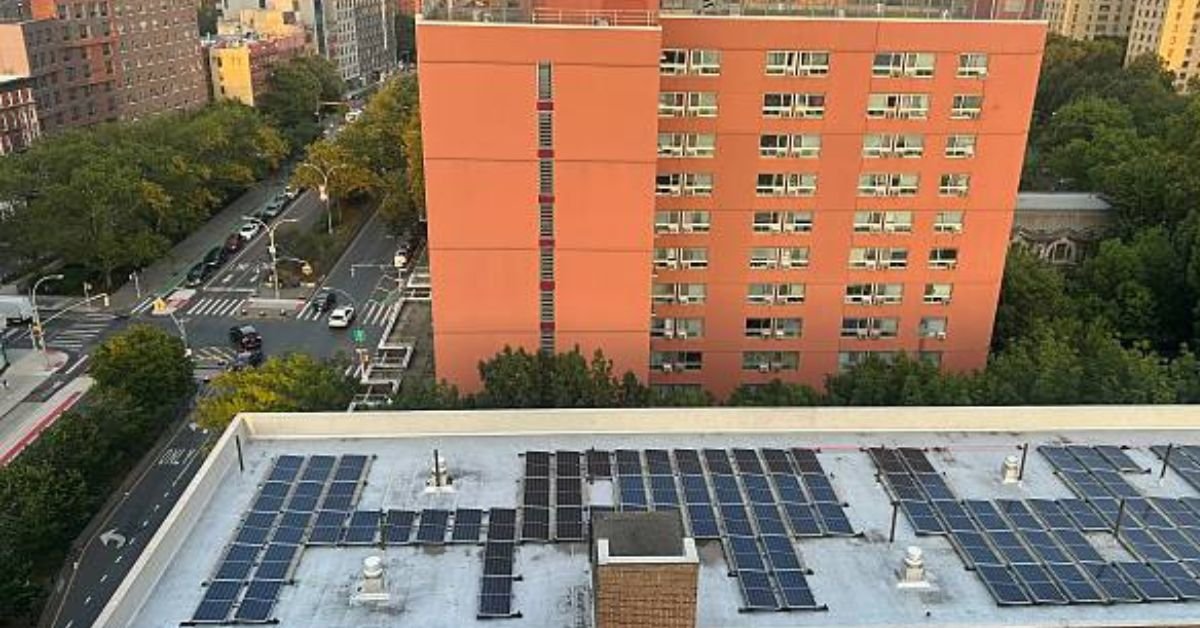
Growing interest in renewable energy has encouraged many homeowners to explore solar options, yet many remain uncertain about available incentives, rebates, and long-term financial benefits. With rising utility costs and increased public focus on sustainability, people want clear information before making decisions. A well-structured conversation helps clarify what programs they may qualify for and how these opportunities can reduce installation costs. In this environment, No accent callers emphasizes the importance of clear, friendly communication that guides homeowners through the decision-making process with confidence.
Many homeowners are aware that incentives exist, but few understand how they work or how to access them. Providing simple explanations about tax credits, state programs, or utility-backed rebates helps transform general curiosity into actionable interest. Outreach allows companies to break down complex information into practical guidance that makes solar feel more accessible. When callers focus on education rather than pressure, the conversation becomes an opportunity to build trust.
The growing number of available incentives has made solar more appealing than ever. However, the variety of programs can also create confusion. Helping homeowners understand how these incentives apply to their property, budget, and long-term goals makes the entire process more manageable. Through consistent, informative outreach, companies can position themselves as helpful guides in an increasingly competitive space.
Why Homeowners Need Clear Information About Solar Incentives
Homeowners often hear about tax credits or rebates, but few know the specific details. They may not understand eligibility requirements, expiration dates, or how incentives affect overall project cost. When callers explain these programs in simple terms, they create a more transparent and supportive experience. Many people appreciate having someone walk them through the information rather than searching for it themselves.
Understanding incentive structures also helps reduce hesitation. Concerns about affordability often disappear once homeowners learn how much they can save. With the right guidance, prospects can begin to see solar as a realistic option rather than a luxury investment.
The Role of solar cold calling in Incentive Awareness
Solar cold calling plays a key role in reaching homeowners who may be interested in solar but unsure where to begin. By initiating a conversation centered on education, callers introduce valuable information that helps prospects make informed decisions. Many homeowners would not take the next step without receiving a clear explanation from someone knowledgeable.
Solar cold calling also creates an opportunity to personalize the conversation. Homeowners can share questions about their roof type, energy usage, or previous research, allowing callers to tailor the information they provide. When the conversation feels relevant and supportive, prospects become more open to exploring their options.
No Accent Callers encourage this educational approach by focusing on simple explanations and meaningful engagement, ensuring that each solar cold calling conversation contributes to greater clarity and confidence for the homeowner.
Helping Homeowners Understand the Financial Impact
The cost of solar installation is one of the biggest factors homeowners consider. Outreach that clearly outlines how incentives reduce upfront expenses helps prospects see the value more easily. Explaining how tax credits apply to installation costs or how state incentives can shorten the payback period provides a more accurate picture of long-term savings.
Many homeowners are surprised to learn how significantly incentives improve overall affordability. When callers present these details in a practical, relatable way, homeowners feel better equipped to move forward.
Simplifying Complex Incentive Requirements
Tax credits and rebate programs often involve specific qualifications. Homeowners may need to consider roof condition, installation timelines, or program deadlines. Breaking down these requirements into clear steps helps prospects feel more confident in their ability to take advantage of available opportunities.
Callers can explain which incentives are guaranteed, which are income-based, and which may vary by region. This guidance removes uncertainty and helps homeowners understand what to expect if they choose to continue the process.
Encouraging Questions That Clarify Homeowner Goals
Questions help uncover what matters most to each homeowner. Some may be motivated by environmental impact, while others prioritize long-term cost savings. Asking about energy usage, past utility bills, or future plans allows callers to tailor the conversation to the homeowner’s priorities. These details help guide the discussion in a way that feels personal and meaningful.
Encouraging questions also allows callers to understand concerns or misunderstandings that homeowners may have about solar. By addressing these points with clarity, callers can help prospects feel more secure about their decisions.
Building Trust Through Honest, Transparent Explanations
Trust plays a major role in solar adoption. Homeowners want accurate information, not exaggerated promises. Being honest about what incentives can and cannot do builds credibility and strengthens the relationship from the start. Providing realistic expectations about savings and timelines shows professionalism and integrity.
No accent callers supports an approach that prioritizes honesty and clear communication, helping homeowners feel valued and respected throughout the process. This transparency leads to stronger long-term relationships and higher customer satisfaction.
Guiding Homeowners Toward Helpful Next Steps
Once homeowners understand how incentives work, the next step often becomes clearer. Callers can guide them toward scheduling an assessment, gathering utility information, or speaking with a specialist. Clear instructions make the process feel easier and more structured.
Providing a simple explanation of what the assessment includes or how long it takes helps reduce hesitation. Homeowners appreciate knowing what to expect before committing to the next step.
Staying Connected Through Consistent Follow-Up
Incentives can change over time, and consistent follow-up helps homeowners stay informed. Sharing updates about new programs or adjusting information based on seasonal availability demonstrates commitment and reliability. These small but meaningful touchpoints help nurture the relationship until the homeowner is ready to proceed.
Organized follow-up also ensures that no opportunity is overlooked. As homeowners receive new information, they may become more open to exploring solar further.
Conclusion: Helping Homeowners Make Informed Choices
As interest in renewable energy continues to grow, education remains one of the most important tools companies can provide. By offering clear explanations and supportive guidance, callers help homeowners understand incentive options with confidence. Through structured outreach, thoughtful conversations, and consistent follow-up, organizations can build lasting relationships rooted in trust. With its focus on clear and genuine communication, No accent callers continues to support solar outreach strategies that empower homeowners to make informed, confident decisions about their energy future.
CLICK HERE FOR MORE BLOG POSTS

John Authers is a seasoned and respected writer whose work reflects the tone, clarity, and emotional intelligence that readers value in 2025. His writing blends deep insight with a natural, human voice—making complex ideas feel relatable and engaging. Every piece he crafts feels thoughtful, original, and genuinely worth reading.