
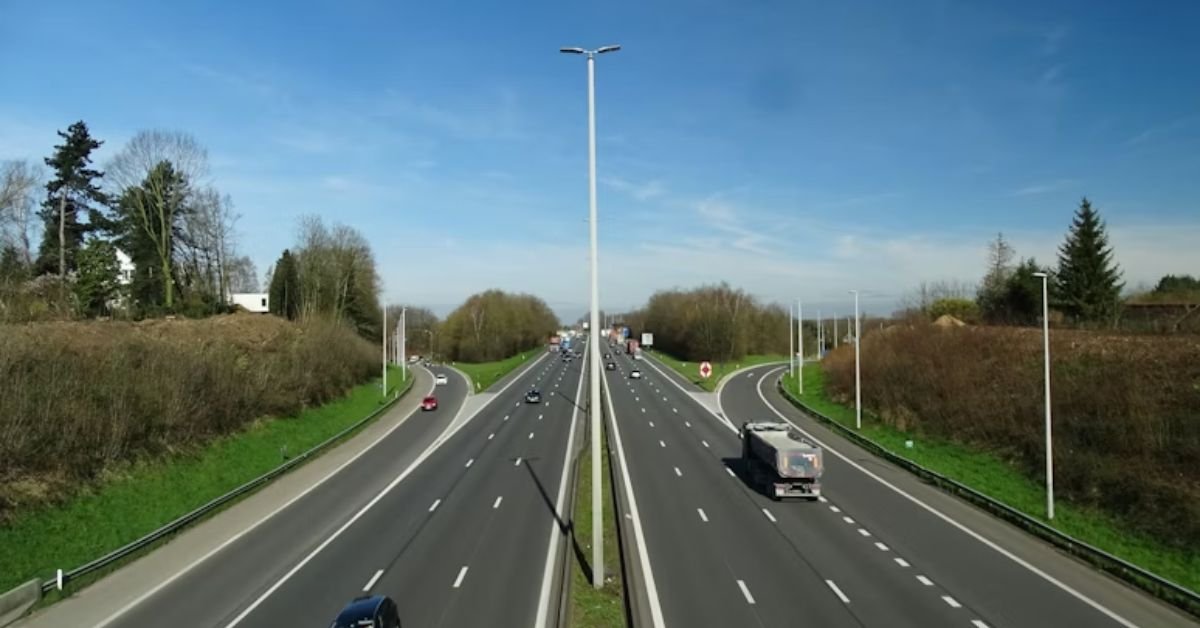
Roads used to be predictable in a simple way. Lanes stayed lanes. Signals followed schedules. Drivers adapted, often imperfectly, to whatever the road gave them. That model is starting to change. Across the country, transportation agencies are layering intelligence onto existing infrastructure.
Sensors, data feeds, and adaptive controls are turning static roads into systems that respond to conditions as they unfold. The goal isn’t perfection but reduction. Fewer unnecessary stops. Fewer surprise hazards. Less congestion building without warning.
These changes rarely announce themselves. Drivers may only notice smoother flow or slightly different signage. But underneath, the logic of how roads operate is shifting. Understanding that shift matters because it affects safety, accountability, and what happens when things still go wrong.
When Roads Adjust Instead of Expanding
One of the clearest signals of this shift is how highway authorities are rethinking capacity. Instead of defaulting to costly lane expansions, they are testing ways to make existing space work harder.
On a complex interstate curve in Cleveland, Ohio, officials have proposed a smart lane that activates only during peak congestion. Overhead digital signals control when the shoulder can safely operate as a travel lane and when it must return to emergency use.
That distinction matters because prevention carries more weight than recovery. People often get help after a Cleveland car accident through medical treatment, insurance claims, and legal guidance.
Those steps are essential for recovering damages after harm has occurred. Aftercare and insurance claims, often handled with the help of a lawyer, as noted by Piscitelli Law Firm, become unavoidable at that stage.
But technology deployed in high-risk locations like this aims to reduce how often those situations arise in the first place. By easing bottlenecks before congestion turns chaotic, smart lane systems offer drivers protection that works before accidents happen, not after.
This reflects a broader shift in road technology. Roads are no longer treated as fixed assets. They are becoming conditional systems that adapt to traffic volume, time of day, and safety thresholds. Sensors and control software now decide when space is usable. Paint and concrete no longer make that call alone.
Signals That Learn From Real Traffic
Intersections are another place where static design is giving way to responsive systems. Traditional traffic signals rely on preset timing plans that change only after manual studies. Newer systems take a different approach. By using anonymized GPS data from vehicles already on the road, traffic signals can adjust timing dynamically based on actual movement patterns.
Recent research trials conducted by the University of Michigan have shown that this approach significantly reduces unnecessary stops and delays along busy corridors. Importantly, the system worked even when only a small percentage of vehicles contributed data. That lowers the barrier to adoption. Cities don’t need full vehicle connectivity to see benefits.
What this really means is that intersections can start behaving more like adaptive networks than rigid machines. Signals respond to what is happening now, not what planners predicted months earlier. Over time, that can reduce emissions, driver frustration, and the risky behaviors that come from impatience at poorly timed lights.
Highways That Communicate Conditions Ahead
Beyond intersections, long stretches of highway are also becoming smarter. A three-mile stretch of I-94 between Detroit and Ann Arbor now serves as a pilot for what connected highways could become nationwide.
Developed by Cavnue in partnership with the Michigan Department of Transportation, the corridor relies on dedicated roadside technology. Poles placed roughly every 200 meters house sensors, computing hardware, and advanced communications systems.
These roadside systems collect real-time data on traffic flow, weather changes, potholes, stalled vehicles, accidents, animals, and sudden hazards like pooling water during storms. AI processes that information instantly and sends alerts to traffic operators and connected vehicles, offering awareness beyond what onboard sensors can see.
The value isn’t limited to autonomous vehicles. Even when only a small share of cars can receive alerts, early warnings still make a difference. They help reduce phantom traffic jams, emissions, and chain-reaction crashes.
Over time, this infrastructure supports a shift where roads and vehicles collaborate, moving transportation from reactive responses to predictive coordination. That transition may matter as much as vehicle automation itself.
Seeing Streets the Way People Use Them
Urban streets introduce a different challenge. Pedestrians, cyclists, delivery vehicles, and buses all compete for limited space. Traditional traffic data often misses how people actually move through these environments. Vision-based AI sensors are starting to fill that gap.
Cities like San Jose and Lakewood are deploying AI-powered vision sensors developed by Sony to improve pedestrian and traffic safety. These camera systems use edge computing to detect vehicles and people in real time, even in low light, glare, or poor weather. Instead of simply counting traffic, they capture movement patterns, near-misses, and risky crossing behavior that often precede serious crashes.
The data gives cities a clearer picture of where danger is building before injuries occur. Officials can adjust crosswalk timing, improve lighting, reposition signage, or redesign curb space based on actual behavior rather than assumptions. In Lakewood, the technology is being used along corridors with a history of pedestrian fatalities. In San Jose, it supports broader Vision Zero safety goals.

What this really creates is a feedback loop. Streets begin to show planners how they’re being used, not how they were intended to be used. That shift allows safer design decisions to evolve continuously instead of waiting for accidents to force change.
What These Systems Have in Common
Across highways, intersections, and city streets, a few themes repeat. First, intelligence is being layered onto existing infrastructure rather than replacing it. Second, data is driving decisions in real time instead of relying solely on historical averages. Third, the goal is incremental improvement, not total control.
These systems are designed to reduce friction and risk, not eliminate them. That distinction matters. Overpromising leads to mistrust. Practical road technology focuses on measurable gains: fewer stops, smoother merges, earlier warnings, and better visibility into how roads are actually used.
For drivers, this often shows up subtly. A green light that lasts just long enough. A warning sign that appears only when conditions demand it. A highway that feels less chaotic during peak hours. The technology fades into the background, which is exactly the point.
FAQs
What is the smart road concept?
Smart roads use sensors, connectivity, and software to monitor traffic and conditions in real time. They adjust signals, lanes, and warnings based on demand and risk. The goal is safer travel, smoother flow, and better use of existing infrastructure without constant expansion.
How is AI used in road safety?
AI is used in road safety to detect hazards, predict risk, and respond faster to changing conditions. It analyzes data from cameras, sensors, and vehicles to spot crashes, near-misses, and congestion early. This helps reduce accidents, improve traffic flow, and support quicker emergency response.
What are the disadvantages of smart roads?
Smart roads come with trade-offs. They require high upfront investment, ongoing maintenance, and strong data security. Technology failures, unclear accountability, and uneven adoption can limit effectiveness. Without proper oversight, reliance on automated systems may also reduce human awareness instead of improving safety.
Overall, the most important takeaway is that road technology is becoming more thoughtful, not more aggressive. It’s about restraint, adaptation, and better use of what already exists. From dynamic lanes to learning signals and AI-assisted safety monitoring, the direction is clear.
Roads are starting to think. But they still serve people. And people still make mistakes, get hurt, and need support when things go wrong. The future of transportation depends on keeping both sides of that reality in view.

Ethan Cole is a passionate blogger at Aldalive.com, sharing fresh ideas and engaging content on lifestyle, technology, and everyday trends. With a love for writing and exploring new topics, Ethan aims to make information simple, useful, and inspiring for readers worldwide.