
Rapid changes in the business environment increasingly require robust digital solutions for internal operations. Outdated expense processes create preventable roadblocks, including manual errors, delayed approvals, and compliance headaches. This is why modern expense management tools have quickly become indispensable to today’s finance teams. These tools go far beyond digitizing receipts. They unlock optimized workflows and deliver valuable insights, giving companies a critical edge in managing their financial resources.
Modern expense platforms combine artificial intelligence (AI), automation, and intuitive design. Their result is a system that not only enhances efficiency but also improves employee experience and organizational transparency. With the right tool in place, businesses of all sizes can reduce process friction and focus more energy on strategic goals, rather than tedious administrative tasks.
Perhaps most impactful is how expense management technology connects leaders with the data they need in real time. Instant visibility into spending ensures proactive control and better budget forecasting. Workflow automation eliminates the human error that once plagued finance departments, speeding up approvals and reimbursement cycles. Modern solutions address the needs of remote teams as well, allowing for flexibility and fast response times regardless of where employees are working.
Many organizations feel a tangible ROI after upgrading to AI-driven expense management. Reduced processing times and cost savings combine with a significant boost in compliance and fraud prevention. For business owners and finance leaders, these advantages translate into stronger operational foundations and more intelligent decision-making.
The Shift Towards Automation
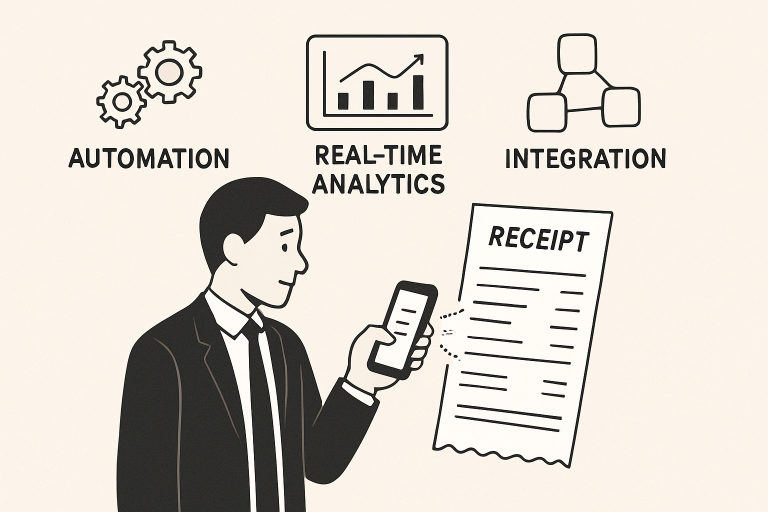
Automation sits at the heart of today’s most advanced expense management solutions. Gone are the days of laboriously entering line items or scouring spreadsheets for errors. Instead, AI-powered tools swiftly analyze, categorize, and verify expenses as they arrive, facilitating faster reviews and approvals. By automating standard entries, receipt matching, and policy compliance checks, businesses dramatically reduce human error and reclaim hours previously spent on manual processes.
For example, businesses using systems that extract real-time data can reduce overall expense management time by as much as 65 percent. This frees finance teams to focus skills on value-added analysis and recommendations, fostering innovation within the organization. As automated solutions evolve, they become an essential investment for any enterprise looking to build a high-performing, resilient finance function. According to CFO.com, companies adopting AI-driven automation find they achieve greater accuracy and compliance in expense reporting while also cutting processing costs and timelines.
Enhanced Compliance and Fraud Prevention
Compliance can be one of the most complex aspects of expense management. Manual reviews are prone to oversight, yet even minor violations can lead to internal disciplinary issues or external audit findings. Modern expense platforms are equipped with sophisticated compliance engines that automatically flag non-compliant claims. They also create detailed audit trails for every report, offering transparency and accountability for both employees and auditors.
AI-driven tools excel at analyzing spending patterns and identifying anomalies, such as duplicate or suspicious claims that indicate possible fraud. These platforms alert finance teams to potential issues before they become problems, protecting company funds and reputation. The automation of compliance workflows supports the timely enforcement of rapidly changing regulatory standards, as Harvard Business Review notes.
Seamless Integration with Financial Systems
Another significant advantage of modern expense management tools is their seamless integration with core financial software, such as ERP, payroll, and accounting systems. Integration ensures that data flows seamlessly between company platforms, enabling finance professionals to rely on a single source of truth for all their reporting, reconciliation, and forecasting needs.
This level of interoperability reduces manual data entry, eliminates duplicate records, and lowers the risk of misreporting. It also provides leaders with a holistic view of financial health across departments, which is essential for strategic planning and addressing cash flow challenges. By connecting with the company’s digital ecosystem, these solutions allow teams to scale operations without the usual growing pains associated with legacy systems.
Mobile Accessibility for On-the-Go Management
Business is no longer confined to the office, and neither are the tools that power it. Modern expense management platforms offer mobile apps that allow employees to capture receipts and submit expense reports wherever they are. With push notifications and easy approval workflows, managers can review and approve expenses on the go. This boosts productivity and helps maintain policy compliance, even as teams become more mobile or distributed globally.
Mobile accessibility also addresses common pain points such as lost receipts and missed submission deadlines. Employees can instantly upload documentation by taking a photo, while automatic scanning features extract relevant data for quick submission. This frictionless approach encourages timely, accurate reporting and helps build a culture of fiscal responsibility.
Data-Driven Insights for Strategic Planning
One of the most powerful aspects of digital expense tools is their ability to generate actionable, real-time analytics. With intuitive dashboards and advanced reporting features, businesses can monitor spending trends, analyze spending by department or category, and identify potential cost-saving opportunities. This shift from reactive to proactive expense management is vital in today’s competitive climate.
Access to reliable, comprehensive data enables finance leaders to forecast budgets more accurately and respond quickly to emerging financial pressures. These insights can also inform broader business decisions, such as vendor negotiations and policy adjustments, fostering a cycle of continuous improvement.
Conclusion
Modern expense management tools are far more than simple digital replacements for old processes. They represent an evolution in how organizations manage cash flow, comply with regulations, and enable employee productivity. By leveraging automation, AI, integrated systems, and data-driven insights, businesses can build flexible and future-proof financial operations that drive sustained growth and profitability.

Ethan Cole is a passionate blogger at Aldalive.com, sharing fresh ideas and engaging content on lifestyle, technology, and everyday trends. With a love for writing and exploring new topics, Ethan aims to make information simple, useful, and inspiring for readers worldwide.