
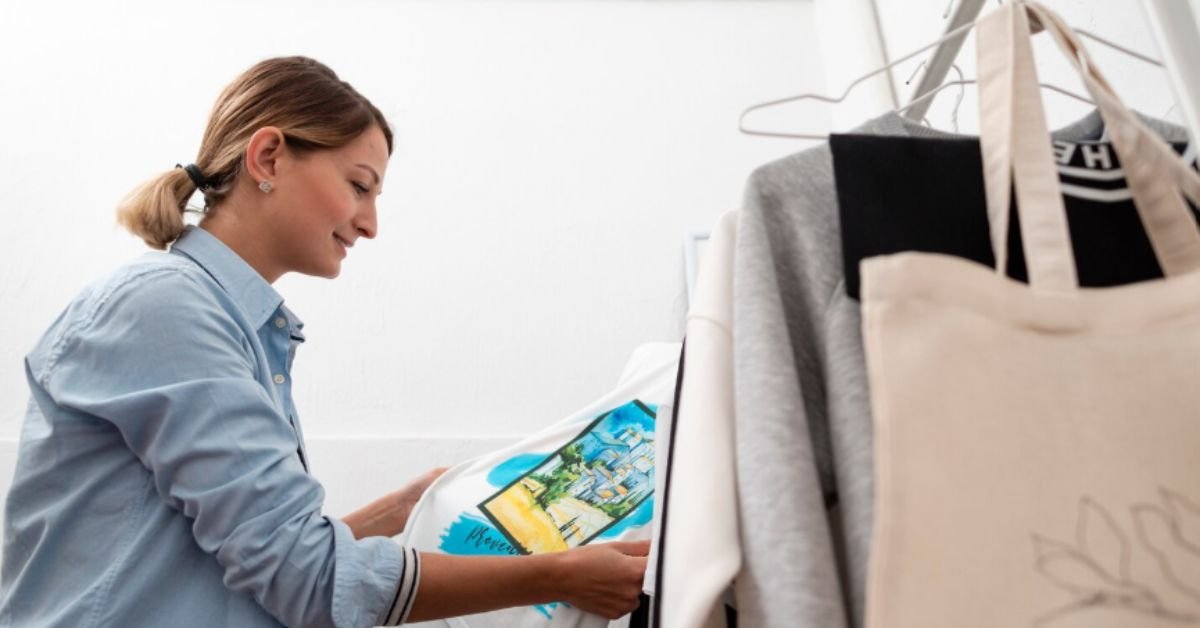
For many growing apparel businesses, the ability to move beyond basic T-shirts and offer a wider range of garments can significantly increase revenue and strengthen brand presence. Shops in cities such as Dallas, Denver, and Phoenix often begin with simple cotton tees but quickly realize customers want more variety, including hoodies, tote bags, sweatpants, caps, and performance wear. The challenge is expanding into these new categories without dramatically increasing production complexity. This is one of the main reasons many decorators rely on custom screen print transfers when scaling their offerings. Because transfers are printed separately from the garment, they allow businesses to decorate numerous product types with consistent quality and minimal risk.
Expanding Without Investing in Multiple Print Setups
Traditional screen printing requires a separate setup for every product type. Printing on fleece, nylon, and cotton each involves different mesh counts, ink adjustments, squeegee angles, and curing temperatures. This means businesses often have to choose which products are worth the setup effort.
Custom screen print transfers eliminate much of this complexity. Once the transfer is printed, the same sheet can be applied to:
- T-shirts
- Hoodies
- Crewnecks
- Sweatpants
- Tote bags
- Aprons
- Shorts
- Hats with flat press attachments
This is especially helpful for print shops serving clients with diverse needs. For example, a business in Austin might work with a local restaurant chain that wants staff shirts, branded aprons, and tote bags for merchandise. Instead of setting up three separate screen print jobs, the shop can order consistent transfers and press all items using the same design.
Supporting Small-Batch and On-Demand Expansion
As consumer buying habits shift, brands increasingly rely on small-batch and on-demand production models. This is especially common among online stores, local merch sellers, and small athletic programs.
Custom screen print transfers support this model because they:
- Do not require minimum press quantities
- Allow shops to stockpile transfers and press only what sells
- Reduce the risk of producing unsold inventory
- Enable rapid production of new categories without delay
Consider an apparel seller in Seattle offering on-demand printing for a regional hiking club. Instead of printing dozens of hoodies upfront, they can order a stack of transfers and press garments as orders come in. This allows the business to expand into new apparel categories without financial risk.
Consistency Across Product Lines
Brand consistency is one of the most important advantages of custom screen print transfers. Because the artwork is printed once onto transfer sheets using calibrated screen printing processes, every transfer looks identical, regardless of the product it is applied to.
This solves one of the biggest problems for decorators: inconsistent prints on different garments. A plastisol print may look vibrant on cotton but appear dull or misaligned on fleece. Transfer printing avoids this because the transfer itself remains the same.
This is especially important for businesses serving organizations such as:
- Sports teams
- School districts
- Corporate programs
- Franchise locations
Imagine a fitness franchise expanding across Los Angeles, Phoenix, and San Diego. Each location needs hoodies, staff tees, branded joggers, and retail tote bags. Custom screen print transfers ensure all locations receive apparel with identical logos, colors, and branding.
Flexibility to Test New Apparel Categories Without Commitment
For many sellers, expanding into new categories involves considerable risk. Testing products like windbreakers, joggers, or heavyweight fleece can require new inks, adjustments to print processes, and a steep learning curve.
Custom screen print transfers significantly reduce this barrier. Businesses can:
- Order a small batch of transfers
- Test the print on multiple garment types
- Evaluate durability and appearance
- Launch the new category with confidence
A boutique streetwear brand in Chicago, for instance, might want to add embroidered-look hoodies or oversized graphic sweats. Instead of investing in embroidery machinery or learning complex fleece printing techniques, they can apply screen print transfers that mimic the texture and opacity of traditional prints.
Improved Efficiency for Shops With Limited Space
Not every business operates from a large warehouse or full-scale production shop. Many decorators work from small studios, shared spaces, or home-based setups. Screen printing multiple apparel categories would require numerous screens, dryers, press stations, and ink storage.
Using custom screen print transfers allows small shops to operate efficiently with:
- A heat press
- Organized transfer storage
- Minimal consumables
- Reduced cleanup time
This enables growth without needing to expand facility size or equipment investment.
Ability to Serve Niche or Seasonal Product Categories
Seasonal and niche categories often have unpredictable demand. For example:
- Holiday pajamas
- Summer festival merch
- Back-to-school spirit wear
- Limited-edition neighborhood apparel
- Local event merchandise
Transfers are ideal for these because shops can press items only when needed. A shop in Orlando might serve dozens of community events each year. Instead of printing large quantities of apparel in advance, they can press only what sells and keep transfer sheets for next season.
Reliable Quality on Difficult Fabrics
One of the biggest challenges in expanding apparel categories is managing fabrics that do not behave like cotton. Nylon, canvas, fleece, polyester blends, and moisture-wicking materials each require different handling. Custom screen print transfers are engineered to work across these surfaces because the ink is already cured onto the transfer sheet.
This results in:
- Better opacity on dark or textured fabrics
- Fewer misprints caused by difficult substrates
- Cleaner edges and more vibrant color
- Reduced risk of dye migration
A real-world example is a print shop in Miami serving both beachwear brands and local school sports programs. Lightweight polyester tank tops and thick fleece hoodies require totally different print conditions when screen printing directly. Transfer printing allows the shop to deliver consistent results on both without specialized setups.
Scalability for Businesses Entering Wholesale or Retail Markets
As businesses grow from small orders to wholesale or retail programs, consistency and efficiency become essential. Transfers streamline this growth because they allow bulk preparation without having to print on garments immediately.
Shops expanding into wholesale can:
- Order large batches of transfers
- Press garments as purchase orders arrive
- Maintain brand consistency across retail partners
- Reduce inventory waste
This method is commonly used by online brands selling through retail stores in locations like Portland, Houston, or Charlotte. Transfers let them fulfill orders reliably without overproducing stock.
Reduced Labor Costs and Faster Turnaround Times
Expanding into new apparel categories usually means longer production times and more labor. Screen print transfers solve this by separating the printing stage from the pressing stage.
A single operator can press hundreds of garments per day once transfers are ready. This efficiency allows businesses to expand their product lines without increasing labor proportionally.
For example, a shop in Nashville offering merch for local musicians can quickly add hoodies, hats, joggers, and tote bags to their lineup without changing their core workflow.
Final Thoughts
Custom screen print transfers give businesses the flexibility, consistency, and efficiency needed to expand into multiple apparel categories without overextending production resources. Whether operating a small home-based studio or managing a growing regional print shop, transfers offer a practical pathway to scaling product offerings while retaining quality and lowering risk. Businesses in cities from Los Angeles to Boston rely on these transfers to produce everything from athletic uniforms to streetwear collections.
For readers seeking crafting tools or accessories that complement apparel decoration, a range of useful products can be found at cricut.
CLICK HERE FOR MORE BLOG POSTS

Ethan Cole is a passionate blogger at Aldalive.com, sharing fresh ideas and engaging content on lifestyle, technology, and everyday trends. With a love for writing and exploring new topics, Ethan aims to make information simple, useful, and inspiring for readers worldwide.