
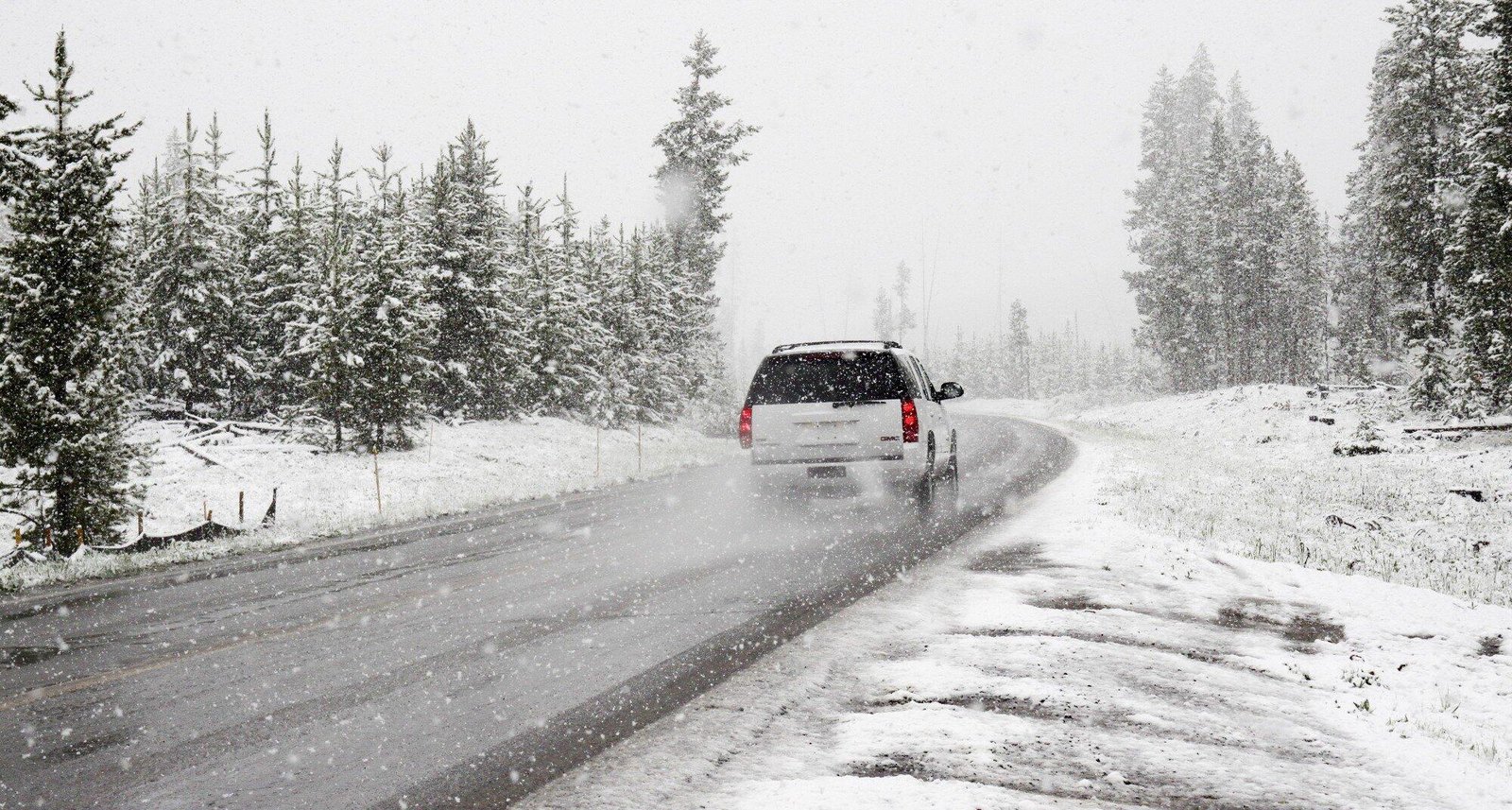
When winter arrives, icy roads become a real danger for anyone driving. But how are these slippery roads made safer? One answer is brine – a mix of salt and water.
Brine works because of basic science, using chemistry, physics, and engineering to help keep roads safe in cold weather. In this short overview, we’ll look at how brine is made and how it helps stop ice from forming.
This simple method is common, but many people don’t think about it. So let’s take a closer look at the science behind brine and how it helps us during winter.
Understanding Brine and Its Components
Brine is a simple but effective mix of salt and water. When these two are combined, the mixture changes the freezing point of water. Normally, water freezes at 32°F (0°C).
But when salt is added, it freezes at a much lower temperature. This helps the brine stay liquid even when it’s very cold outside. This works because the salt gets in the way of ice forming.
By blocking the ice crystals from developing, brine makes it harder for ice to build up on roads. As a result, roads treated with brine stay safer for drivers during winter.
How Brine Prevents Ice Bonding
One of the primary functions of brine in winter road care is to prevent ice from bonding tightly to road surfaces. When brine is applied before or during a snowstorm, it creates a barrier that prevents snow from adhering to the pavement.
Instead of forming a solid layer of ice, the snow can be plowed away more easily. The application of brine before snowfall can reduce the overall amount of salt needed. This not only saves money but also lessens environmental impact.
The Science Behind Brine’s Efficacy
The effectiveness of brine hinges on several scientific principles, with solubility and freezing point depression being key factors. When salt dissolves in water, it dissociates into sodium and chloride ions. These ions interfere with the formation of ice, allowing the brine solution to flow and preventing solidification.
Moreover, the rate of precipitation plays a significant role. In light snowfall, brine can be a game-changer, as it helps keep roads clear by preventing ice formation. However, if you want to stay safe this winter but are tired of products that damage surfaces, harm the environment, or lose effectiveness in extreme cold, Ice Melting Salt offers superior alternatives.
Optimal Timing and Application
For brine to be most effective, strategic timing and application methods are essential. Ideally, brine should be applied 24 hours prior to a snow event. This allows for adequate time to establish its protective barrier. Additionally, after a snowstorm, it can help in melting residual ice that may have formed on the road.
Spraying brine on roads can either be done in liquid form or as a brine solution that is ready to use from trucks equipped with specialized nozzles. Recent advancements in technology have led to more precise application techniques that minimize waste and ensure uniform coverage.
Embracing Brine for Winter Safety
Brine plays an important role in winter road care, and science shows that it works well to stop ice from forming and to make roads safer. When cities know how and when to use brine, they can keep roads clearer during the winter.
New tools for applying brine and better environmental practices also help get the most out of this method. By using the science behind brine, we can make winter driving safer for everyone.
Like this article? Read more about these topics on our blog.

Rao Waqas is a passionate content writer who crafts engaging and insightful articles across diverse topics, helping readers stay informed and inspired.