
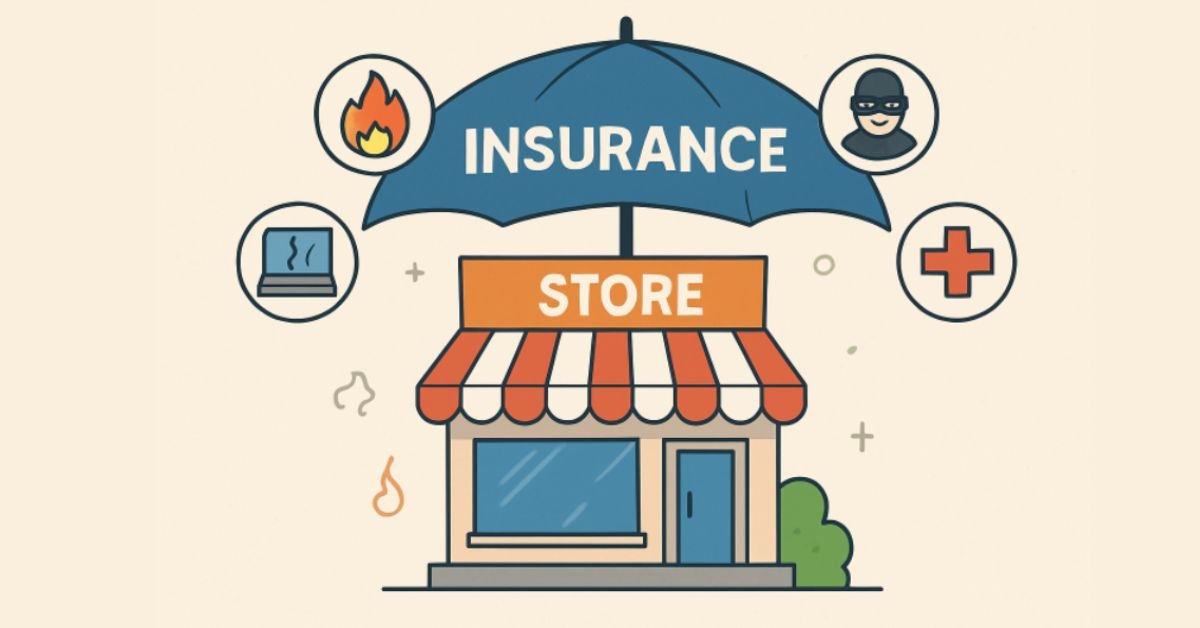
Protecting your small business from unexpected risks is vital to ensuring long-term stability and growth. Understanding the various options for small business insurance coverage helps you prepare for unforeseen incidents that could otherwise threaten your operations or financial health. In today’s ever-changing business landscape, the right insurance strategy is a key part of your entrepreneurial toolkit.
Comprehensive coverage isn’t just about mitigating risks—it’s about enabling your business to thrive with confidence. Whether you’re just starting, expanding, or reevaluating your current protection, understanding the insurance basics will help you make informed and strategic decisions that align with your objectives and compliance requirements.
Entrepreneurs often underestimate the range of hazards that can impact their business. From natural disasters to employee accidents or even digital threats, being proactive about the right insurance can mean the difference between a quick recovery and a devastating setback. Regularly reviewing your policies and coverage limits is essential to keep pace with your company’s growth and industry developments.
Deciphering policy terms, exclusions, and legal requirements can sometimes feel overwhelming. Working closely with seasoned insurance agents and staying informed with trusted resources will empower you to navigate industry changes and remain resilient. Comprehensive insurance doesn’t just protect your assets—it protects your reputation and your staff’s livelihood.
General Liability Insurance
General liability insurance is the backbone of most business insurance plans, protecting against claims of bodily injury or property damage arising from your products, services, or day-to-day operations. For example, if a customer slips and falls at your premises, this coverage helps defray legal and medical costs. No matter your industry or size, this insurance is typically considered non-negotiable and is a foundational element for protecting against common lawsuits and financial liabilities. Most landlords, lenders, and clients will require you to carry this insurance before entering into contracts, making it a business necessity.
Property Insurance
Property insurance provides compensation for damage or loss of physical assets caused by fire, theft, vandalism, or certain natural disasters. This type of insurance typically covers your building (if owned), contents such as computers and furniture, and even on-site inventory. Whether you lease or own your workspace, property insurance safeguards your primary investments, helping you recover quickly from destructive incidents and minimize income losses. Many insurers offer specialized options for different industries, such as equipment breakdown coverage, making it essential to evaluate your business’s unique risks when selecting a property policy.
Business Interruption Insurance
Should your business operations come to a halt due to a covered peril, business interruption insurance can be a financial lifeline. This coverage pays for lost income and helps cover ongoing expenses, such as payroll, rent, and loan payments, until your business can reopen. Especially relevant for brick-and-mortar companies or those with significant in-person traffic, this insurance prevents short-term disasters from having long-term impacts.
The COVID-19 pandemic highlighted the value of this often-overlooked coverage. The surge in related claims underscored the need to carefully read policy exclusions, such as infectious disease carve-outs.
Workers’ Compensation Insurance
Workers’ compensation insurance is legally required in most states and provides wage replacement and medical benefits to employees injured in the workplace. In turn, employees generally relinquish the right to sue their employer for negligence, thereby balancing the protection of both workers and business owners.
Failing to carry this coverage not only exposes your business to steep regulatory fines but also greater financial liability in the event of workplace injuries or illnesses.
Professional Liability Insurance
Professional liability insurance (also known as errors and omissions insurance) covers legal costs and damages associated with claims that your professional service, advice, or product caused the client harm. This is crucial protection for consultants, contractors, accountants, designers, and other service providers, as even small errors can lead to costly claims of negligence, misrepresentation, or failure to deliver.
As businesses operate in increasingly regulated and scrutinized industries, professional liability coverage has become essential for anyone providing specialized expertise.
Cyber Liability Insurance
With cybercrime and data breaches on the rise, cyber liability insurance is becoming increasingly essential, particularly for businesses that handle sensitive customer data online. This policy covers the costs associated with data loss, notification, recovery, and even legal fees stemming from hacks or cyberattacks.
In fact, the adoption rate among small businesses in the United States has nearly tripled from 10% in 2023 to 27% by 2025. Modern policies reflect a growing awareness of digital risk, making cyber insurance a wise investment for any business, regardless of its size or sector.
Business Owner’s Policy (BOP)
A Business Owner’s Policy (BOP) is a comprehensive insurance solution designed for small to mid-sized businesses. It combines general liability and property insurance—sometimes also including business interruption coverage—into a single package at a lower premium than buying them separately. BOPs can often be tailored to meet your specific needs with optional add-ons such as data breach or equipment coverage.
Assessing Your Insurance Needs
Every business is different, and insurance needs can shift rapidly as your company evolves. Regular risk assessments—ideally completed in partnership with a knowledgeable insurance professional—will help you evaluate which types and amounts of insurance are necessary at each stage of your business’s life cycle. Pay close attention to policy exclusions, liability limits, and state or industry-specific mandates.
Proactive planning ensures you’re neither over-insured nor dangerously exposed, while maintaining compliance and keeping costs in check. Informed choices build a more resilient business, one that is capable of weathering whatever challenges come its way.
Conclusion
Selecting the right mix of business insurance is a critical step in protecting your company from financial loss, legal exposure, and unexpected disruptions. From foundational coverages like general liability and property insurance to specialized protections such as professional and cyber liability, each policy plays a distinct role in safeguarding your operations. As risks evolve alongside your business, regularly reassessing your insurance portfolio ensures your coverage remains relevant, compliant, and cost-effective. By making informed, proactive insurance decisions, business owners can strengthen resilience, maintain continuity, and focus on growth with greater confidence and peace of mind.

Ethan Cole is a passionate blogger at Aldalive.com, sharing fresh ideas and engaging content on lifestyle, technology, and everyday trends. With a love for writing and exploring new topics, Ethan aims to make information simple, useful, and inspiring for readers worldwide.