
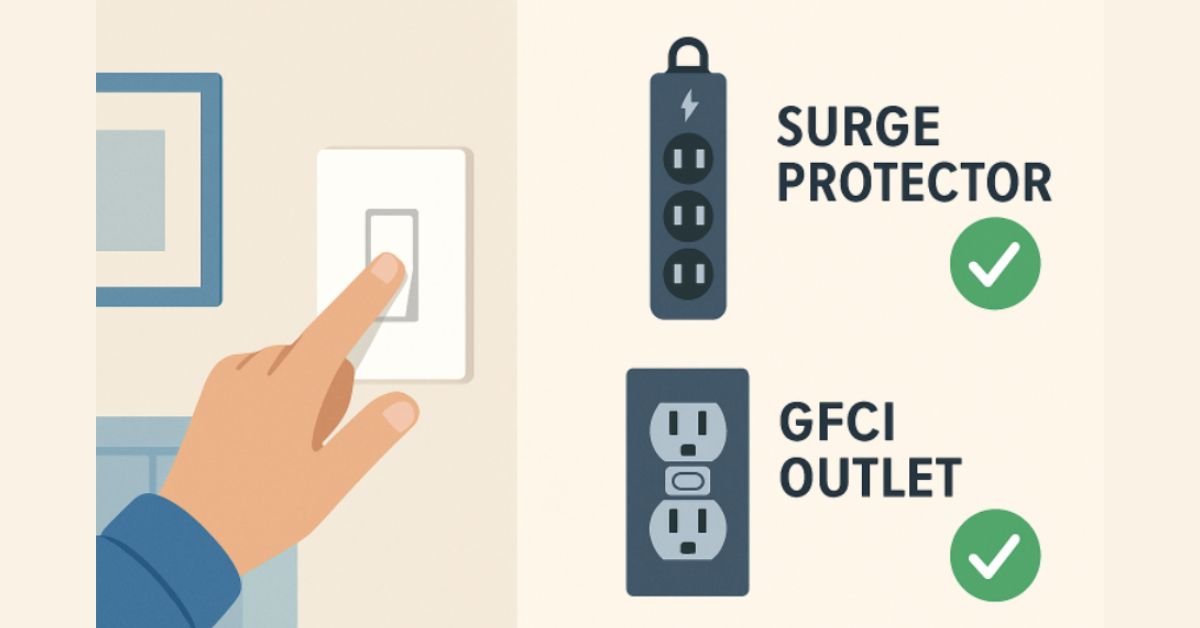
Modern homes rely on electricity for everything from basic lighting to powering essential appliances and entertainment systems. As such, understanding and maintaining electrical safety is crucial for safeguarding both your family and property. Whether you’re a homeowner or renter, prioritizing proper electrical practices can dramatically reduce the risks of shocks, fires, and costly repairs. For professional help or peace of mind with your home’s wiring, consider contacting a top-rated electrician in Fort Mill. Today’s electrical systems are built to be safer and more efficient than ever. Still, regular vigilance and maintenance can help identify problems before they escalate. Being proactive is especially vital in older homes, where wiring and panels may not meet current codes. Additionally, understanding which tasks should be left to the professionals is key to maintaining electrical safety for everyone in your household.
From installing safety devices to maintaining cords and knowing when to seek expert help, following established guidelines can make a significant difference. Electrical safety is not just about protecting property; it’s about ensuring well-being and security every day. For businesses seeking specialized guidance, a qualified commercial electrician can ensure commercial properties remain safe and code-compliant.
Conduct Regular Electrical Inspections
Routine electrical inspections are among the most effective ways to catch problems before they result in harm. Warning signs like flickering lights, warm outlets, repeatedly tripped circuit breakers, or strange smells should never be ignored. If you notice any of these issues, act quickly by contacting a licensed residential or commercial electrician to assess the safety of your system. Inspections are especially important before major renovations or after purchasing an older property, as outdated wiring and overloaded panels pose serious hazards.
The National Fire Protection Association highlights that faulty wiring is a leading cause of residential fires, underscoring the need for regular electrical checkups to ensure every connection remains secure and code-compliant.
Install Ground Fault Circuit Interrupters (GFCIs)
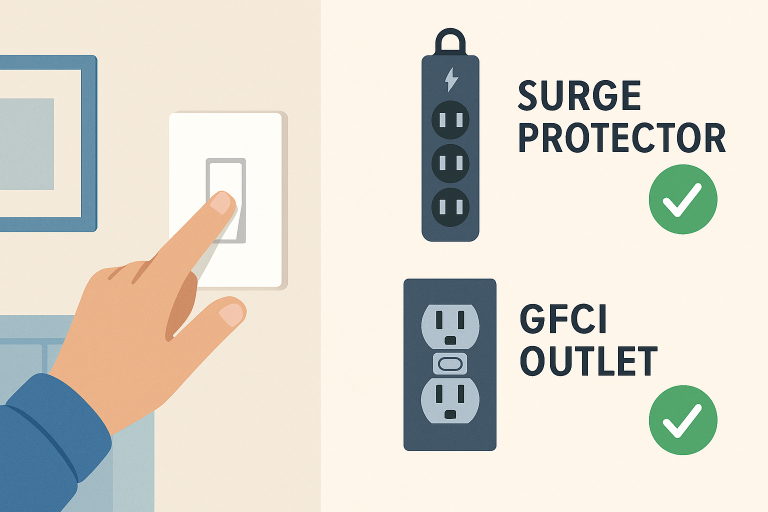
GFCIs (Ground Fault Circuit Interrupters) play a critical role in areas exposed to moisture, such as kitchens, bathrooms, basements, and outdoor outlets. These devices sense electrical imbalances and immediately cut off power to prevent shocks, which can be fatal in wet environments. To ensure optimal safety, test each GFCI outlet monthly using the test and reset buttons. If an outlet fails to reset or trips repeatedly, it may need replacement or further inspection.
Utilize Surge Protectors
Power surges, caused by lightning strikes or sudden grid voltage increases, can silently damage expensive electronics and appliances. Using high-quality surge protectors for your computer, TV, and sensitive equipment will help shield these devices from spikes that could otherwise shorten their lifespan or pose a fire risk. It’s vital to note that not every power strip offers surge protection, and these safety devices should be replaced periodically, especially after a significant surge event.
Maintain Cords and Plugs
Closely inspect power cords and plugs for wear, fraying, or exposed wires. Damaged cords are a primary source of electric shocks and fire risks. Replace any faulty cords promptly, and never attempt to repair cords with tape or makeshift solutions. As a general rule, use extension cords temporarily they’re not designed for prolonged or permanent use. Heavy reliance on extension cords often signals that you need more outlets.
Avoid Overloading Circuits
Plugging several high-power devices into a single outlet or power strip risks overloading your circuitry. Overloaded circuits can overheat and melt insulation, posing a fire or electrical shock hazard. Distribute high-wattage devices such as space heaters, microwaves, or hairdryers across multiple outlets, and avoid daisy-chaining numerous power strips.
According to the Electrical Safety Foundation International, overloaded outlets and power strips remain among the top causes of preventable home electrical fires. Make sure breaker panels are appropriately labeled, and avoid using an appliance that repeatedly trips your circuit breaker until the issue is investigated.
Use Appropriate Lighting Fixtures
Every light fixture is rated for a specific maximum wattage. Installing bulbs that exceed the recommended wattage can cause the fixture to overheat potentially damaging the wiring and starting a fire. LED bulbs not only burn cooler but also use less energy, further reducing the risk of overheating and helping cut down on utility bills.
Always replace bulbs with the proper wattage, and avoid makeshift lighting setups using adapters or illicit connections.
Practice Safe Appliance Usage
Always unplug small appliances like toasters, coffee makers, and space heaters when not in use to reduce the risk of overheating and accidental fires. Additionally, ensure that all electric-powered devices are kept away from water sources never handle these with wet hands, and avoid using them in damp environments without GFCI protection. If your appliance develops a strange smell, unusual noise, or starts operating erratically, cease use immediately and have it professionally inspected.
Seek Professional Assistance
While some minor tasks, such as replacing a light bulb or resetting a breaker, are suitable for DIY, complex electrical work should always be performed by a licensed electrician. Improper wiring, installation, or repairs can violate local codes and create serious risks. A professional can spot issues you might miss and ensure all work meets the latest safety standards helping avoid fines, hazards, and insurance issues in the future.
By following these essential electrical safety tips, you can significantly increase the safety and reliability of your home’s electrical systems. Regular care and working with certified experts not only protects your home and appliances but also delivers peace of mind for you and your loved ones.
Conclusion: Empowering a Safer Home Environment
Electrical safety is not a “set it and forget it” task; it is an ongoing commitment to your home’s health and your family’s safety. As we integrate more technology into our daily lives, the strain on our electrical systems grows. By adopting a proactive mindset, testing GFCIs monthly, respecting circuit limits, and swapping old bulbs for cooler LEDs, you transform your home from a potential hazard into a secure sanctuary.

While basic awareness can prevent most household accidents, remember that electricity is unforgiving. Knowing when to put down the toolkit and call a licensed professional is the hallmark of a responsible homeowner. Whether you live in a historic property or a modern build, consistent vigilance ensures your electrical system remains a silent, reliable partner in your daily life rather than a source of concern.

Ethan Cole is a passionate blogger at Aldalive.com, sharing fresh ideas and engaging content on lifestyle, technology, and everyday trends. With a love for writing and exploring new topics, Ethan aims to make information simple, useful, and inspiring for readers worldwide.