
Water damage poses significant threats to homeowners: beyond the immediate inconvenience, it can result in costly repairs, mold growth, and long-term structural issues. The best way to avoid these problems is through proactive prevention. By understanding where risks are highest and acting proactively, you can safeguard your living environment. Start with tried-and-true maintenance habits, and lean on trusted partners like Pure Restore when you need help.
Whether you are a longtime homeowner or new to property maintenance, knowing which steps to take can significantly reduce your risk. Simple actions, such as inspecting pipes or checking your roof, require little time or expense but can save you thousands. Ready to get started? The following guide covers essential water damage prevention strategies every homeowner should know.
Regular Inspections
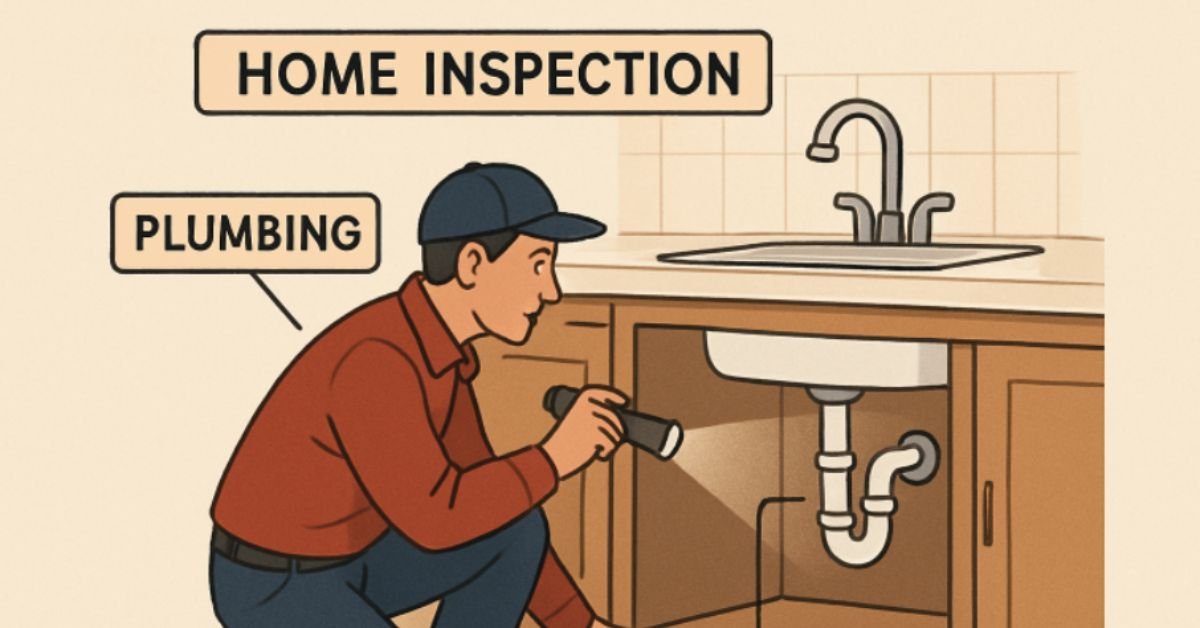
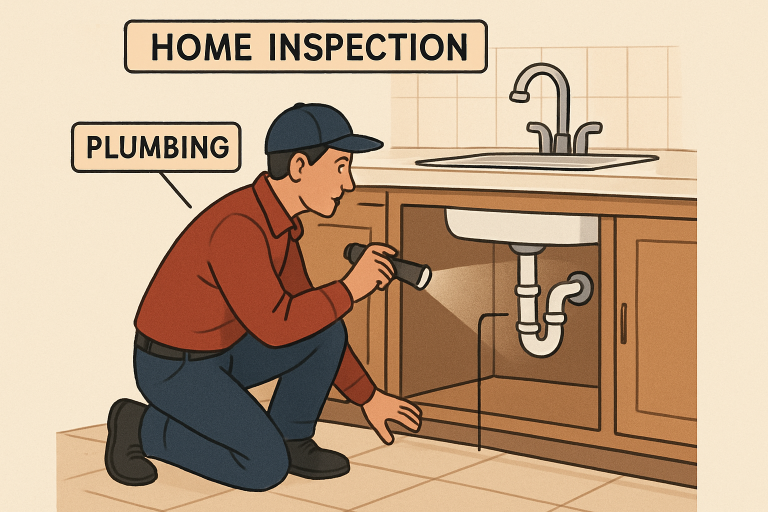
Routine inspections help catch leaks early, saving you from costly repairs. Every month, check beneath sinks, around appliances like dishwashers and washing machines, and near your water heater. Watch for puddles, moisture build-up, or any signs of corrosion. A musty smell can also indicate hidden moisture or the early stages of mold, which require prompt attention. Hidden leaks can lead to unhealthy indoor mold levels if left undetected and unaddressed.
In addition to monthly checks, review your plumbing and water sources after significant weather events or if you notice unexplained increases in your water bill. Catching issues early helps prevent more serious problems later and ensures your home remains safe and dry.
Maintain Gutters and Downspouts
Gutters and downspouts are your first line of defense against rainwater intrusion. When blocked by leaves or debris, they cannot effectively channel water away from your house. This overflow may soak into your foundation, leading to basement leaks and cracked walls. Clean your gutters at least twice a year, and be especially vigilant before the rainy season.
Make sure downspouts direct water at least five to ten feet from your home’s foundation. Use extenders if necessary to avoid pooling near the base of your house. Consistent maintenance of these systems keeps your basement dry and your foundation secure.
Monitor Water Pressure
High water pressure puts stress on pipes and appliances, increasing the chance of leaks or pipe bursts. Use a water pressure gauge to ensure your home’s pressure falls within the recommended range of 40 to 70 psi. If you record higher readings, a pressure regulator can help bring them down to safe levels.
Monitoring your water pressure not only protects your plumbing but also helps extend the lifespan of dishwashers, washing machines, and other appliances connected to your water supply. If you notice anything unusual, such as loud banging or surging water, consult a licensed plumber.
Install Leak Detection Devices
Leak detection technology has advanced significantly in recent years. Devices placed under sinks, behind appliances, or in basements can detect even small amounts of water and alert you immediately via smartphone or alarm. Investing in smart leak detectors provides peace of mind when you are away from home, ensuring that a minor problem does not escalate into a catastrophe.
Some advanced systems can automatically shut off the main water supply if a significant leak is detected. This can be invaluable if a pipe bursts while you are on vacation.
Insulate Pipes
In colder regions, insulating pipes is one of the most effective ways to prevent bursts during winter. Focus on pipes located in unheated spaces, such as attics, basements, and garages. Pipe insulation is easy to install and available at any hardware store. During extremely cold spells, let faucets drip slightly to keep water moving and relieve potential pressure build-up caused by freezing.
A single burst pipe can release gallons of water in minutes, leading to significant property damage. By insulating pipes, you are investing in both peace of mind and cost-effective protection.
Know Your Main Water Shut-Off Valve
In an emergency, knowing the location and operation of your main water shut-off valve is essential. When a major leak occurs, every minute counts. Shutting off the water quickly can reduce damage and control repair costs. Locate your main shut-off and make sure all family members can identify and use it when needed.
Typically, the main shut-off valve is found where your water line enters the house, often in the basement or a utility closet. Label the valve and run practice drills so everyone feels confident in an emergency.
Proper Landscape Grading
The way your yard slopes can make a big difference in how you control water. Landscaping should always direct rainwater away from your home’s foundation. If the ground slopes toward your house, water will pool and eventually seep into the basement or crawl space. Grade your landscape by adding soil around the perimeter and sloping it so that water moves away at a rate of at least six inches for every ten feet.
This simple fix can significantly reduce the risk of basement flooding, especially in areas with heavy seasonal rainfall. Consult with a landscaping professional if you notice persistent drainage issues or water collecting near your home.
Roof Maintenance
Roof inspections are essential for keeping water out of your home. Look for missing, damaged, or sagging shingles that could provide an entry point for water. Pay close attention to the areas surrounding roof penetrations such as vents, chimneys, and skylights. Proper sealing in these places is crucial for watertight protection.
Schedule professional roof inspections annually and after major storms. Addressing roofing issues early prevents leaks and preserves your home’s structural integrity.
Conclusion
By introducing these habits and strategies into your regular home maintenance routine, you can effectively guard against water damage. Early detection, preventative upgrades, and timely professional help keep your home dry, safe, and a place of comfort for years to come.

Ethan Cole is a passionate blogger at Aldalive.com, sharing fresh ideas and engaging content on lifestyle, technology, and everyday trends. With a love for writing and exploring new topics, Ethan aims to make information simple, useful, and inspiring for readers worldwide.