
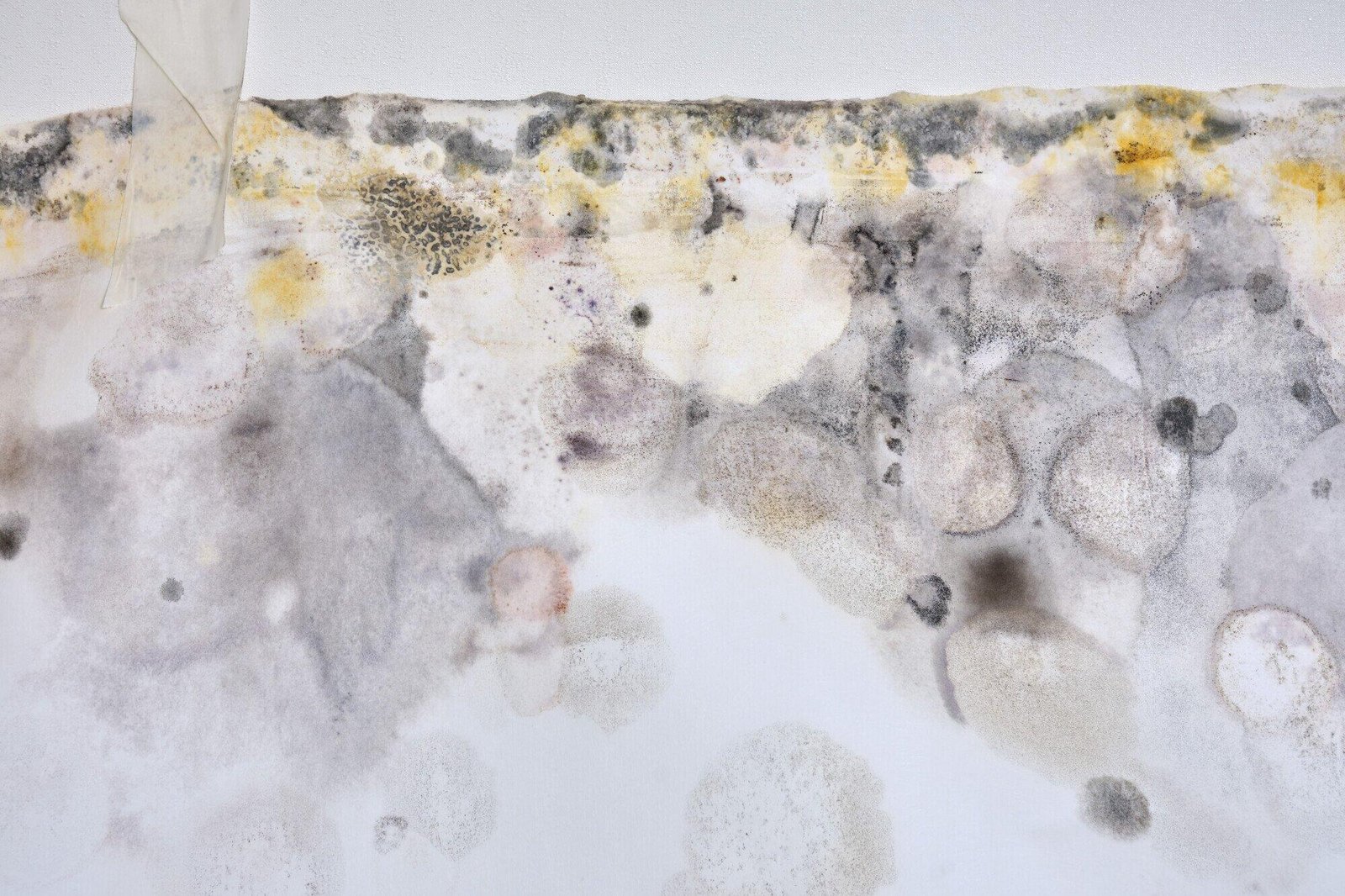
Mold can grow in homes and buildings without warning. It often hides in damp places like bathrooms, basements, and behind walls. When mold spreads, it can damage property and affect indoor air quality.
If you want to keep your space clean and safe, it is important to understand how mold remediation works. Keep reading to learn how proper solutions can help create a healthier environment.
Understanding Mold Growth
Mold is a type of fungus that grows in moist environments. It spreads through tiny spores that float in the air. When these spores land on wet surfaces, they can begin to grow quickly. Common places for mold growth include bathrooms, kitchens, basements, and areas with water leaks.
Poor ventilation can also make mold problems worse. Mold may appear as dark spots on walls, ceilings, or floors. It can also grow behind wallpaper, carpets, or insulation, where it is harder to see. Knowing where mold forms helps homeowners take steps to prevent it.
Why Mold Remediation Matters
Mold can affect both buildings and the people inside them. Over time, mold may weaken drywall, wood, and other materials. It can also reduce indoor air quality. Some people may notice coughing, sneezing, or irritation when mold is present.
Removing mold quickly helps stop these problems from getting worse. Proper mold removal helps restore clean and healthy living spaces. Professional remediation focuses on finding the source of moisture and stopping mold from returning.
Identifying Mold Problems Early
Early detection is one of the best ways to reduce mold damage. Signs of mold often include musty odors or visible dark spots. Water damage is another warning sign. If a home has experienced leaks or flooding, mold may develop soon after.
Condensation on windows or walls can also lead to mold growth. Checking damp areas regularly helps catch problems early. When homeowners notice these signs, taking action right away can prevent larger issues.
Steps in the Mold Remediation Process
Mold remediation follows a careful process to ensure safety and effectiveness. The first step is inspection. Professionals examine the property to find mold and identify moisture sources. Next, the affected area is contained. This prevents mold spores from spreading to other rooms.
Technicians then remove contaminated materials and clean affected surfaces. Special equipment may be used to filter air and remove spores. Finally, repairs may be made to restore damaged areas and prevent moisture problems from returning.
Preventing Mold in the Future
Prevention plays a big role in keeping homes mold-free. Fixing leaks quickly and improving ventilation are simple but effective steps. Using exhaust fans in bathrooms and kitchens helps remove moisture from the air. Dehumidifiers can also help in humid climates or damp basements.
Keeping gutters clean and ensuring proper drainage around the home can reduce water buildup near foundations. These steps help maintain a dry environment where mold is less likely to grow.
Protect Your Home and Health
Mold problems should never be ignored. Even small patches can grow quickly if moisture remains. Early action helps protect both the structure of a building and the health of the people inside.
By understanding mold growth, recognizing warning signs, and addressing moisture issues, homeowners can prevent many mold problems. When mold appears, proper remediation solutions can restore clean and safe indoor spaces. Taking the right steps today can help ensure healthier environments for years to come.
Expand your knowledge and check out more posts on our blog!

Rao Waqas is a passionate content writer who crafts engaging and insightful articles across diverse topics, helping readers stay informed and inspired.