
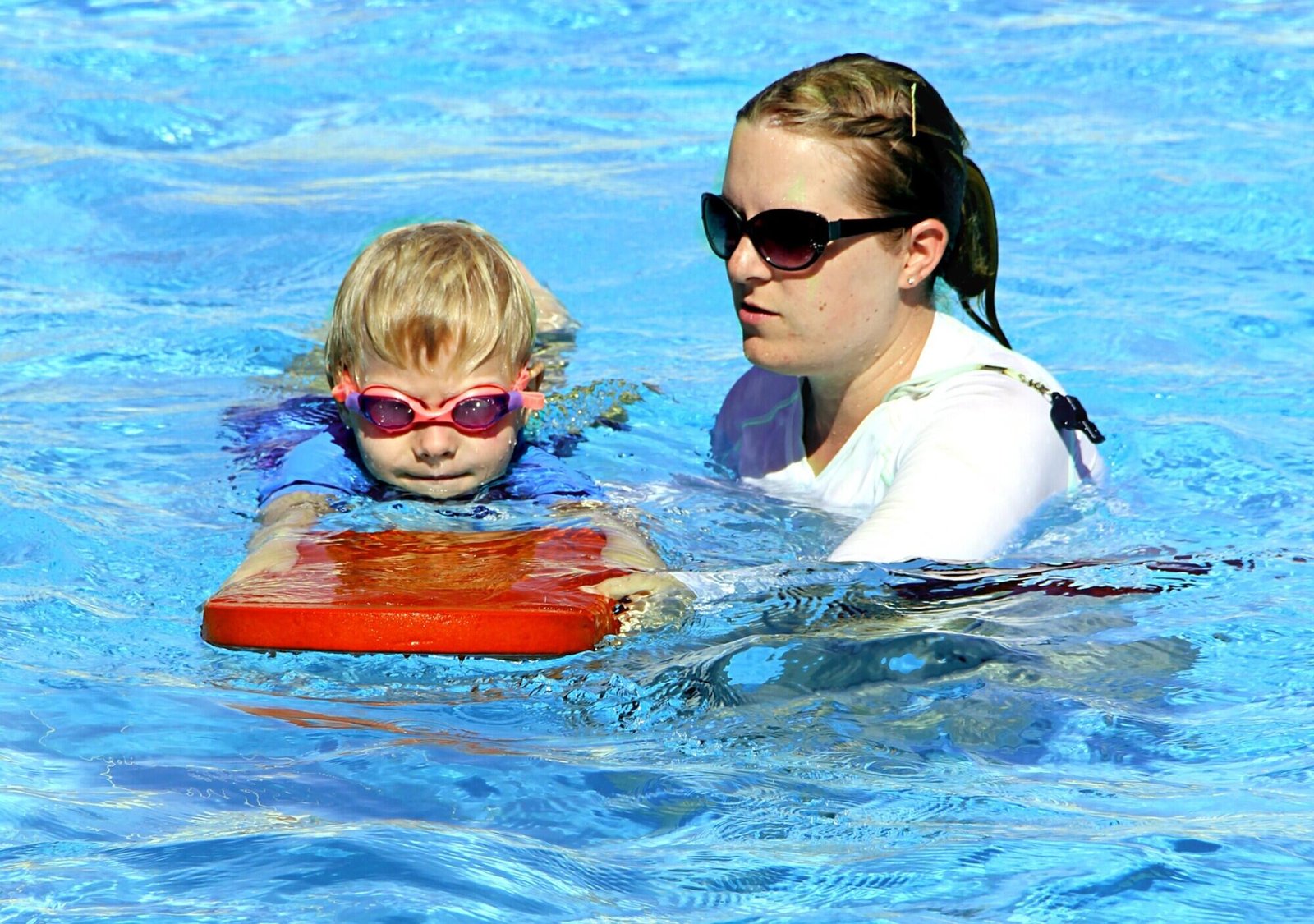
Swimming is often seen as a fun activity for hot days, family outings, or summer vacations. While it is certainly enjoyable, swimming is much more than playtime in the water. For children, learning how to swim can be a powerful experience that supports growth in many important ways. Swimming lessons help children build strong bodies, confident minds, and healthy social skills that last well beyond childhood.
When children take swimming lessons, they are not just learning how to move through water. They are developing coordination, learning how to follow instructions, building confidence, and gaining safety skills that can protect them for life.
This article explores what parents can expect when their child begins swimming lessons for kids. From motor skill development to social growth and lifelong fitness habits, we will look closely at how swimming supports the whole child.
Why Swimming Is Important for Children
Childhood is a time of rapid growth and learning. During these years, children are developing physical skills, emotional awareness, and social understanding. Activities that support multiple areas of development are especially valuable, and swimming is one of those activities.
Swimming is unique because it works the entire body while also engaging the mind. It is low-impact, meaning it is gentle on growing joints, yet it still builds strength and endurance. Children can start swimming lessons at a young age and continue improving their skills as they grow older.
Water also creates a different environment from land. When children move in water, they must learn new ways to balance, breathe, and coordinate their movements. This challenge helps strengthen brain connections and improves overall body awareness.
For many children, swimming lessons are also their first structured physical activity. This makes swimming an excellent introduction to learning rules, listening to instructors, and practicing patience. These skills carry over into school and daily life.
Motor Skills and Physical Development Through Swimming
One of the most noticeable benefits of swimming lessons is improvement in motor skills. Motor skills are the abilities that allow children to move and control their bodies. These include both large movements, such as kicking and jumping, and smaller movements, such as hand control and coordination.
Swimming uses both sides of the body at the same time. When children practice swimming strokes, they learn how to move their arms and legs in a coordinated pattern. This helps strengthen connections between the brain and muscles, leading to better balance and control.
Children who swim regularly often show improvements in posture and flexibility. The water supports their body weight, allowing them to stretch and move freely without the pressure that comes from land-based activities. This makes swimming especially helpful for children who may struggle with other sports.
Over time, swimming improves endurance and cardiovascular health. Children learn to control their breathing and build stamina, which supports overall fitness. These physical improvements help children feel more energetic and capable throughout the day.
Building Strength, Balance, and Coordination
Balance and coordination are key parts of childhood development, and swimming helps strengthen both. In the water, children must constantly adjust their body position to stay afloat and move forward. This requires focus and body awareness.
As children learn to float, kick, and swim independently, they gain confidence in their ability to control their bodies. This sense of control often leads to improved performance in other physical activities, such as running, jumping, and riding a bike.
Because swimming involves repeated movements, children have many chances to practice and improve. With regular lessons, small improvements add up, and children begin to move more smoothly and efficiently both in and out of the water.
Building Confidence Through Small Achievements
Confidence plays a huge role in a child’s development. Children who believe in their abilities are more likely to try new things, solve problems, and handle challenges. Swimming lessons are an excellent way to build confidence because progress happens step by step.
At first, some children may feel nervous around water. With patient instruction and encouragement, they slowly learn to feel comfortable. Simple achievements, such as putting their face in the water or floating on their back, become important milestones.
Each new skill builds on the last. As children learn to kick, paddle, and swim short distances, they begin to see what they can accomplish through practice. This sense of achievement boosts self-esteem and helps children feel proud of their efforts.
Learning to Overcome Fear and Build Resilience
For many children, learning to swim involves facing fear. Water can feel unfamiliar and challenging, especially at first. Swimming lessons teach children how to manage these feelings in a safe and supportive environment.
Instructors are trained to help children feel comfortable and secure. Lessons move at a pace that matches each child’s readiness. When children learn that they can overcome fear with practice and support, they develop resilience.
Resilience is the ability to keep trying even when something feels difficult. This skill is important throughout life. Swimming lessons provide real-life experiences where children learn that mistakes are part of learning and that progress takes time.
Water Safety and Lifesaving Skills
One of the most important reasons to enroll children in swimming lessons is safety. Water is part of many family activities, including trips to pools, beaches, lakes, and water parks. Knowing how to swim and understand water safety can save lives.
Swimming lessons teach children how to stay safe around water. They learn how to enter and exit the pool safely, how to float if they feel tired, and how to recognize when they need help. These skills are critical, especially as children become more independent.
Water awareness is a lifelong skill. Even children who do not plan to swim often benefit from knowing what to do in unexpected situations. Swimming lessons give parents peace of mind, knowing their child has the tools to stay safer around water.
Teaching Responsibility and Awareness
Swimming lessons also teach responsibility. Children learn that water requires respect and careful behavior. They begin to understand that their actions affect their safety and the safety of others.
In group lessons, children are taught to wait their turn, follow instructions, and watch out for classmates. These lessons in responsibility help children develop good habits that apply to many parts of life.
Social Skills and Making Friends in Swimming Lessons
Swimming lessons are often taught in small groups, giving children a chance to interact with peers. This social setting helps children develop communication and cooperation skills in a natural and supportive environment.
Children learn to take turns, listen to others, and encourage their classmates. Cheering for a friend who completes a lap or masters a new skill helps build empathy and kindness.
For shy children, swimming lessons can be a gentle way to make friends. The shared experience of learning something new helps break the ice and creates common ground. Over time, children may feel more comfortable talking and working with others.
Social skills developed in swimming lessons often carry over into school and other activities. Children who feel confident interacting with peers are more likely to build strong friendships and feel included.
Learning Teamwork and Respect
Although swimming is often thought of as an individual activity, lessons emphasize teamwork and mutual respect. Children learn that everyone progresses at their own pace and that supporting one another is important.
Instructors model positive behavior by offering encouragement and celebrating effort. Children learn to respect differences and understand that practice looks different for everyone.
These lessons in teamwork and respect help children develop emotional intelligence. They learn how to work well with others, handle competition in a healthy way, and appreciate group success.
Encouraging a Love for Physical Activity
Developing healthy habits early in life is essential, and swimming is a great way to introduce children to regular physical activity. Because swimming is fun, children often see it as play rather than exercise.
When children enjoy being active, they are more likely to continue moving as they grow. Swimming provides a positive experience with exercise, helping children associate movement with joy rather than pressure.
Swimming can be enjoyed at any age and skill level. Children who learn to swim early have a skill they can use throughout their lives. Whether for fitness, relaxation, or recreation, swimming remains accessible long after childhood.
This early exposure helps children understand the value of staying active. It teaches them that taking care of their body can be enjoyable and rewarding.
Supporting Healthy Weight and Overall Wellness
Swimming is an effective way to support a healthy weight. It burns energy while being gentle on the body. Because it works many muscle groups at once, swimming helps improve overall fitness without putting stress on joints.
Regular swimming supports heart health, lung capacity, and muscle strength. Children who stay active are less likely to develop unhealthy habits and more likely to maintain balanced lifestyles.
Swimming also supports mental well-being. Physical activity releases chemicals in the brain that help reduce stress and improve mood. Children who swim regularly may feel calmer, happier, and more focused.
Cognitive Development and Academic Benefits
Swimming lessons do more than strengthen the body. They also support brain development. Learning to swim requires concentration, memory, and problem-solving skills.
Children must remember instructions, follow sequences of movements, and adjust their actions based on feedback. These mental challenges help strengthen cognitive skills that are useful in the classroom.
Research suggests that children who participate in swimming lessons often show improved focus and discipline. The structure of lessons teaches children how to listen carefully and practice patience.
Swimming also helps children learn time management. Getting ready for lessons, following schedules, and balancing swimming with schoolwork teaches organization skills that support academic success.
Improving Focus and Emotional Regulation
Swimming can help children learn how to manage their emotions. The calming effect of water, combined with controlled breathing, helps children relax and focus.
Children who struggle with attention or stress may find swimming especially helpful. The repetitive movements and clear goals of swimming lessons provide a sense of structure and calm.
Learning how to control breathing is also a valuable skill. It helps children manage anxiety and stay calm in challenging situations, both in and out of the water.
Supporting Children of All Abilities
Swimming is an inclusive activity that can be adapted for children with different needs and abilities. Because water supports the body, it allows children to move in ways that may be difficult on land.
Swimming lessons can be adjusted to meet each child’s comfort level and learning pace. This flexibility makes swimming accessible to a wide range of children.
By enrolling your child in swimming lessons for kids, you are not just teaching them a vital life skill; you are also providing tools for lifelong success and safety.
Creating Positive Family Experiences
Swimming lessons often lead to family activities around water. Parents may find themselves spending more time at pools, beaches, or lakes, creating shared experiences and memories.
When children feel confident in the water, families can enjoy outings with greater peace of mind. These experiences strengthen family bonds and encourage healthy, active lifestyles. Parents who support their child’s swimming journey also model the importance of learning and perseverance.
Helping Children Develop Independence
As children progress in swimming lessons, they become more independent. They learn to trust their abilities and make decisions in the water.
This independence builds self-reliance and responsibility. Children learn when to ask for help and when they can manage on their own.
Developing independence in a safe environment like swimming lessons prepares children for greater responsibilities as they grow older.
What Parents Can Expect from Swimming Lessons
Parents often wonder what swimming lessons will look like for their child. Lessons typically begin with water comfort and basic safety skills before moving on to strokes and endurance.
Instructors use games, songs, and positive reinforcement to keep lessons engaging. Progress may be slow at first, but consistency leads to improvement.
It is normal for children to have good days and challenging days. Patience and encouragement from parents help children stay motivated.
Taking the First Step Toward Lifelong Benefits
Swimming lessons for kids offer far more than the ability to swim. They support physical development, build confidence, improve social skills, and promote safety. Children gain strength, coordination, and endurance while also learning valuable life lessons about effort, resilience, and teamwork.
From the first splash to confident strokes across the pool, swimming lessons shape children in meaningful ways. They encourage healthy habits, support emotional growth, and provide skills that last a lifetime.
For more helpful tips, check out the rest of our site today.

Rao Waqas is a passionate content writer who crafts engaging and insightful articles across diverse topics, helping readers stay informed and inspired.