
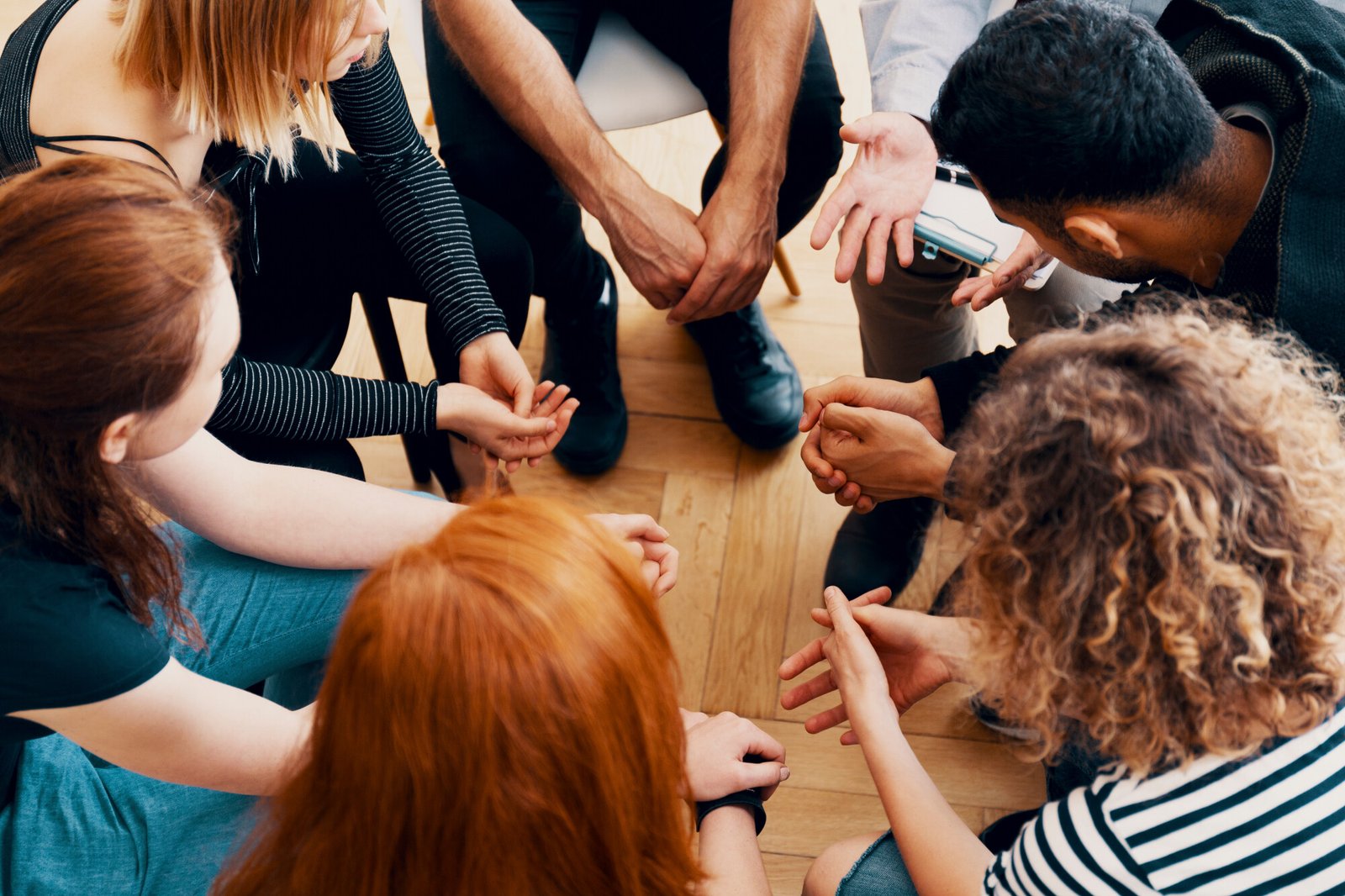
Starting recovery after an injury, illness, or addiction can feel scary and lonely. At our rehab center, we know that healing is more than just physical recovery. It also means improving overall well-being in a caring and supportive environment.
Our team provides personalized care for each person’s needs. Using new therapies, holistic methods, and proven practices, we help people not just recover but also regain strength and live full lives.
In this post, we explore compassionate rehab care and how it helps people overcome challenges and improve their well-being.
Understanding Supportive Rehabilitation Services
Supportive rehabilitation services help people recover their physical and mental abilities after an injury, illness, or disability. These services use a team of healthcare professionals, such as physical therapists, occupational therapists, and psychologists, to meet each person’s needs.
The goal is to help people become more independent and improve their quality of life through exercises, counseling, and education. Rehabilitation focuses not only on physical recovery but also on emotional and social well-being. Understanding these services is important to provide good care for people who need help.
Types of Supportive Rehabilitation Services
There are various types of supportive rehabilitation services available, each addressing different aspects of recovery. Familiarizing oneself with these options is crucial in choosing the best path toward healing. Some common types include:
Occupational Therapy
Occupational therapy is a type of supportive rehabilitation that helps people of all ages do daily activities and become more independent. It is often used for people who have physical, mental, or emotional challenges that make everyday tasks difficult.
A licensed therapist works with each person to find ways to overcome these challenges. This may include:
- changing the environment
- using assistive devices
- or finding new ways to complete tasks
Occupational therapy is important for helping people become more independent and improving their overall quality of life.
Speech Therapy
Speech therapy is a type of supportive rehabilitation that helps people improve their communication skills. It can focus on speaking clearly, developing language, and controlling voice. Speech therapy can also help with problems in eating and swallowing.
The goal is to remove barriers that make it hard to succeed in social, school, or work life. It is especially helpful for people with speech problems, developmental delays, or neurological conditions.
A speech-language pathologist uses exercises and techniques to improve speech and language skills, boosting confidence and quality of life. With speech therapy, people can overcome communication challenges and reach their full potential.
Inpatient Rehab Programs
Inpatient rehab programs give people a structured place to focus fully on recovery. Participants stay at the facility for a set time, usually 30 to 90 days.
This setup allows for intensive treatment, including 24/7 medical care and therapy sessions. Research shows inpatient programs work well for people with severe addiction because they remove them from triggers and provide a safe place to heal.
Physical Therapy
Physical therapy is an important part of supportive rehabilitation. It helps people regain movement and physical function after injuries, surgeries, illnesses, or disabilities.
A physical therapist works with each person to make a treatment plan, which may include exercises, stretches, and other techniques to improve:
- strength
- flexibility
- and motion
Physical therapy also helps reduce pain, prevent more injuries, and support overall well-being. With a physical therapist’s guidance, people can become more independent and improve their quality of life.
Outpatient Rehab Programs
Outpatient rehab programs are flexible, letting people go to therapy while keeping their normal daily routines. These programs are good for people with mild to moderate addiction because they can get help without stopping their regular life. Outpatient programs usually include individual counseling, group sessions, and family therapy.
Holistic Rehabilitation Services
Holistic rehab focuses on treating the whole person rather than just the addiction. This approach may include services such as yoga, meditation, acupuncture, and nutritional counseling. Evidence suggests that incorporating holistic modalities can enhance emotional well-being and ease the symptoms of withdrawal, contributing to a smoother recovery process.
Choosing the Right Rehab Program
Supportive rehabilitation services are very important for helping people recover from substance abuse. Choosing the right rehab program matters because it gives the support and resources needed for a successful recovery.
Good rehab programs combine proven therapies, personalized treatment plans, and a safe, comfortable place to heal. They also offer extra support like:
- 24/7 medical care
- peer support groups
- and aftercare programs
All these help people return to daily life smoothly. These services not only help people overcome addiction but also teach the skills needed to stay sober long-term. It is important to carefully look at and choose the right rehab center for a loved one’s recovery.
Components of Effective Rehab Programs
Effective rehab programs have several key components that are essential for helping individuals recover from addiction and achieve lasting sobriety. First, a comprehensive assessment is necessary to determine the individual’s unique needs and create a personalized treatment plan.
Second, a combination of therapy and counseling is crucial in addressing the psychological and emotional aspects of addiction. This can include:
- individual
- group
- and family therapy
Third, peer support and community involvement play a significant role in the recovery process. This can involve participating in support groups or attending sober events.
Finally, a strong aftercare plan is essential to maintain sobriety after completing the program. These components work together to create a well-rounded and effective rehab program that can help individuals overcome addiction and build a healthier, sober lifestyle.
The Role of Aftercare in Lasting Recovery
Supportive rehabilitation services are very important for people recovering from addiction. They give ongoing help and guidance after main treatment, helping people stay sober and avoid relapse.
Aftercare programs teach skills to handle triggers and stress in everyday life. They also offer a community where people can share experiences and support each other.
These services provide continued therapy, medication help, and other treatments. Overall, aftercare is key to lasting recovery because it gives ongoing support and the tools needed to stay sober.
Looking for more tips and advice? You’re in the right place! Make sure to bookmark our page and come back to check out more interesting articles.

Rao Waqas is a passionate content writer who crafts engaging and insightful articles across diverse topics, helping readers stay informed and inspired.