
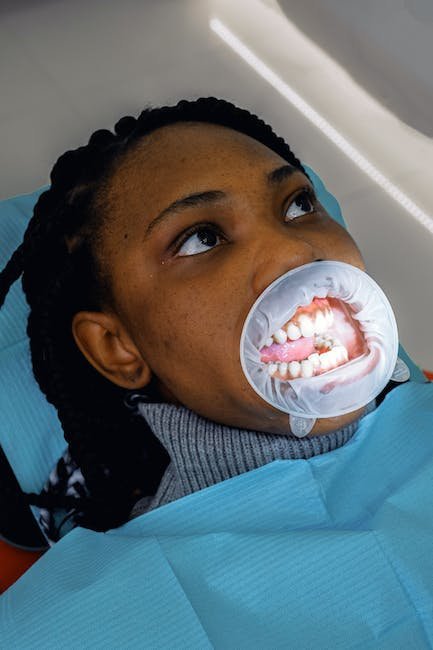
When it comes to your child’s dental health, early intervention can make a big difference. One important tool in orthodontics is a palatal expander. This device helps guide the growth of your child’s upper jaw to ensure proper alignment and spacing of teeth.
Choosing the right palatal expander solution can set the stage for a healthier, straighter smile while preventing more serious problems in the future. To learn more, keep on reading below.
What is a Palatal Expander?
A palatal expander is an orthodontic device designed to widen the upper jaw. It is most commonly used in children because their bones are still growing and more adaptable. The device fits across the roof of the mouth and gradually applies gentle pressure to expand the palate.
Expanding the palate creates more space for teeth to grow properly. This can help correct issues such as crowding, crossbites, and misaligned bites. Without early treatment, these problems may require more complex orthodontic procedures later in life.
Why Palatal Expanders Are Important
Palatal expanders do more than just make room for teeth. They support proper jaw development, improve bite function, and can even help with breathing issues in some cases. For example, a narrow upper jaw may contribute to mouth breathing or sleep-related issues. By widening the palate, airflow can improve, and dental alignment can be corrected at the same time.
Children who use palatal expanders often experience better dental health overall. Proper spacing reduces the risk of cavities and gum problems because teeth are easier to clean. Additionally, addressing jaw alignment early can prevent discomfort and reduce the need for more extensive orthodontic treatment in adolescence or adulthood.
Signs Your Child May Need a Palatal Expander
Not every child needs a palatal expander. Your orthodontist can examine your child’s dental growth and decide if this treatment is right. Some signs that a palatal expander may help include crowded teeth or not enough space for permanent teeth, a crossbite or misaligned bite, a narrow upper jaw compared to the lower jaw, difficulty chewing or speaking clearly, and mouth breathing or snoring during sleep.
Early detection is key. Orthodontists often recommend evaluating a child’s jaw development around the ages of 7 to 10. At this age, the bones are still flexible, making palatal expansion more effective and easier to achieve.
Types of Palatal Expanders
There are several types of palatal expanders. Choosing the right one depends on your child’s specific needs, age, and the recommendation of your orthodontist.
Rapid Palatal Expander (RPE)
A Rapid Palatal Expander applies pressure to widen the upper jaw quickly. It usually requires turning a key at home to activate the device, creating gradual expansion over a few weeks. This type is often used when the upper jaw needs fast correction.
Slow Palatal Expander
Slow Palatal Expanders work more gradually and are typically worn for a longer period. The device slowly adjusts the palate over several months, making it a more gentle option for children with less severe spacing issues.
Removable Palatal Expander
Some expanders are removable, allowing your child to take them out for meals or cleaning. These devices can be easier to maintain but require high compliance. Removable expanders are best suited for children who are responsible and can follow orthodontic instructions carefully.
Choosing the Right Solution
When selecting a palatal expander, there are several factors to consider. Here are a few examples:
Age of Your Child
Younger children have more flexible bones, making expansion easier. Your orthodontist will assess growth patterns to determine the best timing.
Severity of the Issue
The type of dental problem affects which expander is most suitable. Crowding or severe crossbites may require rapid expansion, while mild spacing issues may benefit from a slower approach.
Comfort and Adaptation
Some expanders may feel uncomfortable at first. Discuss with your orthodontist about the device that balances effectiveness with comfort for your child.
Oral Hygiene Considerations
Expanders can trap food and make brushing more challenging. Removable options may make cleaning easier, while fixed devices may need additional care routines to prevent plaque buildup.
Compliance
Your child’s ability to follow instructions is important, especially for removable expanders. Consider a device that your child can use consistently without frustration.
What to Expect During Treatment
Once the palatal expander is placed, your child may feel slight pressure or tightness for a few days. This is normal and indicates the device is working. Your orthodontist will guide you on turning the key if it is a rapid expander or adjusting the device for slow expansion.
Check-ups are usually scheduled every few weeks to monitor progress. The total duration of treatment varies but typically lasts a few months. Some expanders are kept in place for a few additional months to stabilize the jaw after expansion.
Tips for Supporting Your Child
Helping your child adjust to a palatal expander can make the process much easier. Encourage them to keep up with regular oral hygiene to prevent plaque buildup. Offering soft foods at first can make eating more comfortable while they get used to the device.
If your child is using a rapid expander, remind them to turn the key as instructed. Praise their progress to build confidence and encourage compliance with the treatment plan. It is also important to attend all orthodontic check-ups so the orthodontist can monitor progress and make any necessary adjustments.
Common Challenges and How to Overcome Them
Some children may experience temporary discomfort, difficulty speaking, or minor irritation. These issues usually improve within a few days. Using orthodontic wax can reduce irritation, and practicing speaking slowly can help them adjust.
If your child has persistent pain or concerns, contact the orthodontist promptly. Professional guidance ensures safe and effective treatment throughout the expansion process.
Benefits Beyond Straight Teeth
Palatal expanders offer benefits that go beyond just creating a straighter smile. Correcting the upper jaw can improve bite function and make chewing easier. It can also reduce the risk of crowded teeth and prevent future dental problems.
Using a palatal expander can enhance facial symmetry and make oral hygiene easier, as properly spaced teeth are simpler to clean. In some cases, it may even improve breathing and sleep quality. By addressing jaw growth early, palatal expanders can help avoid more complex procedures later, supporting both dental health and overall well-being.
Working With an Orthodontist
Your orthodontist plays a key role in choosing the right palatal expander. They will perform a thorough evaluation, review x-rays, and discuss options tailored to your child’s needs. Communication is essential. Make sure to ask questions about care, duration, and what to expect during treatment.
If you are looking for a trusted option, a professional orthodontic palate expander provider can guide you through every step, from assessment to post-treatment care. Experienced orthodontists ensure the device fits correctly, functions safely, and delivers the desired results.
Maintaining Oral Hygiene with a Palatal Expander
Keeping teeth clean is very important when using a palatal expander. Food can get stuck around the device, which can cause cavities or irritate the gums. Brushing carefully around the expander at least twice a day, using a water flosser or special orthodontic floss for tight spaces, and rinsing with mouthwash can help keep teeth and gums healthy. It is also important to avoid sticky or hard foods that could damage the device.
Teaching your child good cleaning habits early makes the process easier and more comfortable. Regular care helps prevent dental problems and ensures the expander works effectively. With guidance and practice, your child can maintain healthy teeth while using the device.
Monitoring Progress
Regular check-ups allow the orthodontist to track jaw growth and teeth alignment. They will adjust the expander if needed and provide guidance on maintaining oral health. Progress is gradual, and patience is important. Most children adapt quickly and begin to see positive changes within weeks.
After the Expander
Once the palate has expanded to the desired width, the device is usually kept in place for a few months to stabilize the jaw. After removal, your child may continue with braces or other orthodontic treatment if needed. Maintaining good oral hygiene and attending follow-up appointments ensures lasting results.
Encouraging a Positive Experience
A positive attitude can make a big difference for your child. Praise their efforts and progress, and make oral care fun by using colorful brushes or charts. Explain why the device is important so they understand its role in creating a healthy, beautiful smile. Support and encouragement reduce anxiety and help your child stick with the treatment plan.
Ensuring Proper Jaw Growth
Choosing the right palatal expander solutions for your child is an important step in promoting healthy jaw growth, proper alignment, and a confident smile. Early evaluation and professional guidance help determine the best device based on age, dental needs, and lifestyle. With the right support, your child can experience comfort, improved oral health, and lasting benefits that extend well into the future.
If you are considering palatal expansion for your child, consult an experienced provider for personalized recommendations. An orthodontic palate expander can help create a strong foundation for healthy teeth and a confident smile.
For more related topics, check out the rest of our blog!

Rao Waqas is a passionate content writer who crafts engaging and insightful articles across diverse topics, helping readers stay informed and inspired.